







1. Brief introduction:
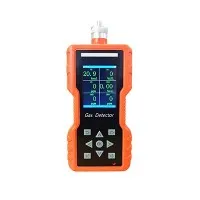
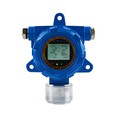
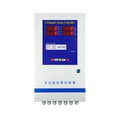
Fixed ammonia gas monitors are important safety devices used in various industries and settings to detect and monitor the levels of toxic gas in the air. Ammonia gas is commonly used as a refrigerant and fertilizer, but it can also be harmful to human health and the environment if not handled properly.
2. Detailed introduction:
Fixed ammonia gas monitors are designed to detect the presence of ammonia gas in the air and provide an audible and visual alarm when the gas concentration exceeds the set limit. They use sensors that are highly sensitive and reliable to ensure accurate and fast detection of any potential hazards. The detectors come in different types, including electrochemical, infrared, and catalytic sensors, depending on the specific application.
Fixed ammonia gas detectors are essential safety devices in various industries and settings. They provide a reliable and accurate way to monitor and detect the levels of toxic gas in the air, ensuring the safety and well-being of workers and the public. With their advanced features and reliable sensors, these devices help prevent accidents and ensure compliance with safety regulations, making them an indispensable tool in any workplace.
3. Features:
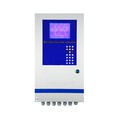
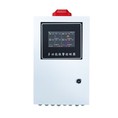
Ammonia gas detectors usually consist of three main parts: a sensor, a transmitter, and a control panel. The sensor detects the presence of ammonia gas. The transmitter sends a signal to the control panel, indicating the concentration of ammonia gas detected. The control panel sounds an alarm and shuts down the system if the ammonia gas level exceeds the predetermined threshold.
The sensor used to detect ammonia gas varies depending on the type of detector. Some detectors use electrochemical sensors, which detect ammonia gas through a chemical reaction with a nanomaterial. Others use infrared sensors that detect the gas by measuring the absorption of infrared light.
4. Products parameters:
|
Name |
Ammonia gas monitor |
|
Sensor |
Electrochemical |
|
Detection gas |
Ammonia NH3 |
|
Measure range |
0-200PPM Resolution 1ppm |
|
Display |
LED display(No display and LCD display are optional) |
|
Transmission cables |
Three core shielded cable 3 x 1.5 mm2 |
|
Output way |
Three wire system can output a set of relay switch signal |
|
Output signal |
4-20mA (RS485 digital signal is optianal) |
|
Standard package |
Gas detector, Instruction in English, Certificate, carton package |


5. Calibration:
The calibration of ammonia gas monitor is crucial to ensure accurate detection of the gas. Calibration is a process of adjusting the sensitivity of the sensor to a known concentration of ammonia gas. Calibration is necessary because sensors can lose accuracy over time or due to environmental factors. It is recommended that ammonia gas detectors should be calibrated once a year or as per the manufacturer’s instructions.
To calibrate the detector, a known concentration of ammonia gas is introduced to the sensor. The sensor’s output is then compared to the expected reading, and adjustments are made if necessary to ensure accurate detection of the gas. The calibration process should be carried out by a certified technician to ensure its effectiveness.
6. Application:
Fixed ammonia gas monitorss are widely used in various industrial settings, including refrigeration, food processing, chemical manufacturing, and petrochemical plants. They are also used in agriculture, poultry farms, and wastewater treatment plants where ammonia gas may be present in the air. These devices play an important role in maintaining a safe working environment by continuously monitoring the ammonia gas levels and alerting workers and supervisors when there is a potential risk.
7. Contact us:
E-mail: golf@huafankj.com
WhatsApp/Wechat: +86 15721910713
Hot Tags: ammonia gas monitor, China ammonia gas monitor manufacturers, suppliers


