

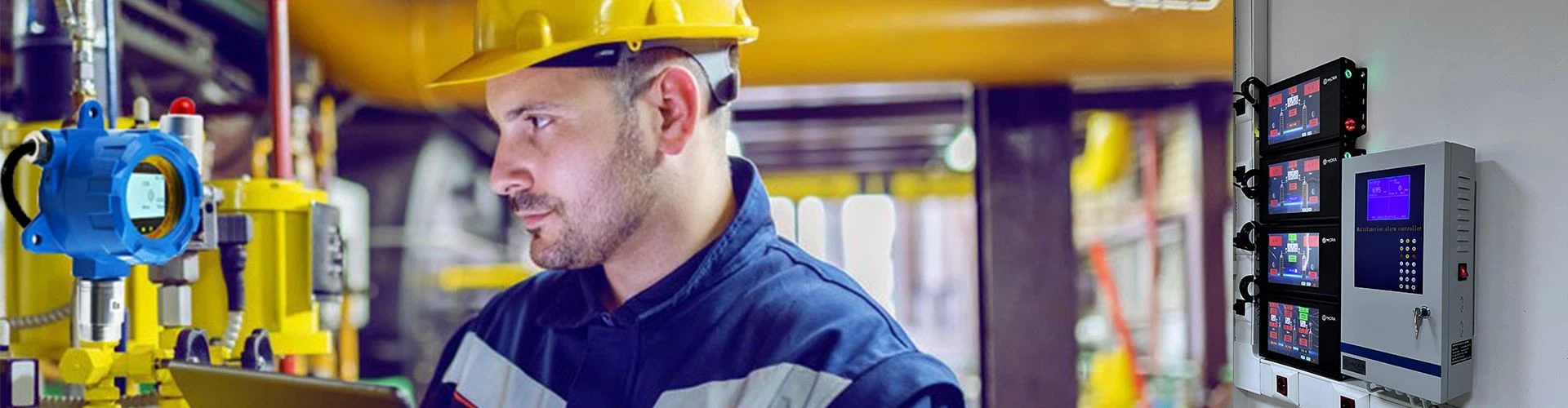







Septic tank poisoning generally refers to mixed gas poisoning, which may include toxic gases such as methane, ammonia, hydrogen sulfide, carbon dioxide and carbon monoxide. These gases can cause human poisoning or even death at a certain concentration.
1. Methane: Methane is a colorless, flammable gas that is usually found in septic tanks and sewage pipes. When the methane concentration reaches a certain level, it may cause suffocation and explosion. Methane itself does not directly harm the human body, but it is an oxygen-free gas that can replace oxygen in the air, resulting in a decrease in oxygen content, which can cause people to suffocate due to lack of oxygen.
2. Ammonia: Ammonia is a gas with a pungent odor that is usually produced in septic tanks. Ammonia irritates the eyes, skin and respiratory tract, and may cause symptoms such as headaches, nausea, and difficulty breathing. When the concentration of ammonia is too high, it may cause serious symptoms such as eye irritation, respiratory inflammation, pulmonary edema and shock.
3. Hydrogen sulfide: Hydrogen sulfide is a toxic gas that is irritating and corrosive. It is usually produced in septic tanks and may cause eye irritation, respiratory inflammation and suffocation. Prolonged exposure to high concentrations of hydrogen sulfide may cause coma and death. Hydrogen sulfide can bind to hemoglobin in the human body, hindering oxygen delivery, leading to hypoxia and suffocation. In addition, hydrogen sulfide may also cause symptoms such as headache, dizziness, nausea, and vomiting.

4. Carbon dioxide: Carbon dioxide is a colorless, odorless gas that is usually produced in septic tanks. High concentrations of carbon dioxide can cause suffocation and death. Carbon dioxide itself does not directly harm the human body, but can replace the position of oxygen in the air, resulting in a decrease in oxygen content, which can cause hypoxia or even suffocation.
5. Carbon monoxide: Carbon monoxide is a colorless, odorless gas that is usually produced in septic tanks. It is a toxic gas that deprives hemoglobin of its ability to transport oxygen, leading to suffocation and death. Carbon monoxide has a stronger ability to bind to hemoglobin than oxygen, thereby occupying the position of hemoglobin, making hemoglobin unable to transport oxygen, leading to hypoxia and suffocation. In addition, carbon monoxide may also cause symptoms such as headaches, dizziness, nausea, and vomiting.
Therefore, when dealing with places such as septic tanks that may produce toxic gases, protective measures must be taken, such as portable 6 gas detector, wearing gas masks, and regular safety inspections and cleaning are carried out to ensure personal safety.