






When a car engine is idling or running at low speed, incomplete combustion of gasoline produces exhaust gas containing a certain amount of carbon monoxide (CO). CO is colorless, odorless, and tasteless. When inhaled, it combines with hemoglobin to form carboxyhemoglobin, leading to oxygen deficiency. The most common symptoms of carbon monoxide poisoning include headache, nausea, vomiting, dizziness, fatigue, and weakness. Therefore, underground parking lots are often equipped with ventilation systems to replace harmful air inside. Chinese national standards stipulate that the permissible 8-hour weighted average concentration of carbon monoxide is 20 mg/m³, and the short-term exposure limit is 30 mg/m³.
1) CO gas detectors typically need to be installed in well-ventilated locations in underground parking garages. For multi-level garages, each level should have its own independent detector.
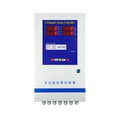
2) The CO detector has a range of 0-250 ppm (compatible with the CO concentration range of parking garages and short-term peak monitoring), accuracy ≤ ±5%FS, and response time ≤ 30s; protection level ≥ IP65, low temperature resistance (-20℃-50℃), and interference resistance (avoid proximity to electromagnetic equipment such as motors and frequency converters; distance ≥ 1.5m). Wall-mounted installation is recommended, with a distance ≥ 2m from ventilation openings and air conditioning vents to prevent direct airflow impact on the sensor. The CO concentration detector should be installed at a height of 1.5~2.0m above the ground, consistent with human breathing height. Avoid installation on the ground (easy to be run over by vehicles and accumulate dust) or at high altitudes (large concentration monitoring deviation), and also avoid rainwater, waterlogged areas, ventilation dead zones, or exhaust vents.

3) The Carbon monoxide detector connects to the gas alarm control cabinet and is linked to the ventilation fan. When the CO concentration in the underground parking garage exceeds 25 ppm, the ventilation system is activated.
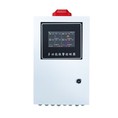
4) The gas alarm control cabinet can remotely monitor the CO concentration and exhaust operation of the underground parking garage, and provides audible and visual alarms, recording functions, etc. The CO gas alarm controller is typically installed in a fire control room or a manned location. The placement of CO detectors should be considered based on the service area of the exhaust fans. If the exhaust fans are set up according to fire compartments, then at least one monitoring probe should be installed in each fire compartment. The number of probes should be determined based on factors such as the fire compartment and area size. Monitoring probes should be placed near walls or columns.
5) The CO detector and CO concentration controller use a two-wire or four-wire connection, RVVP4*1.5MM2, RS485 output.
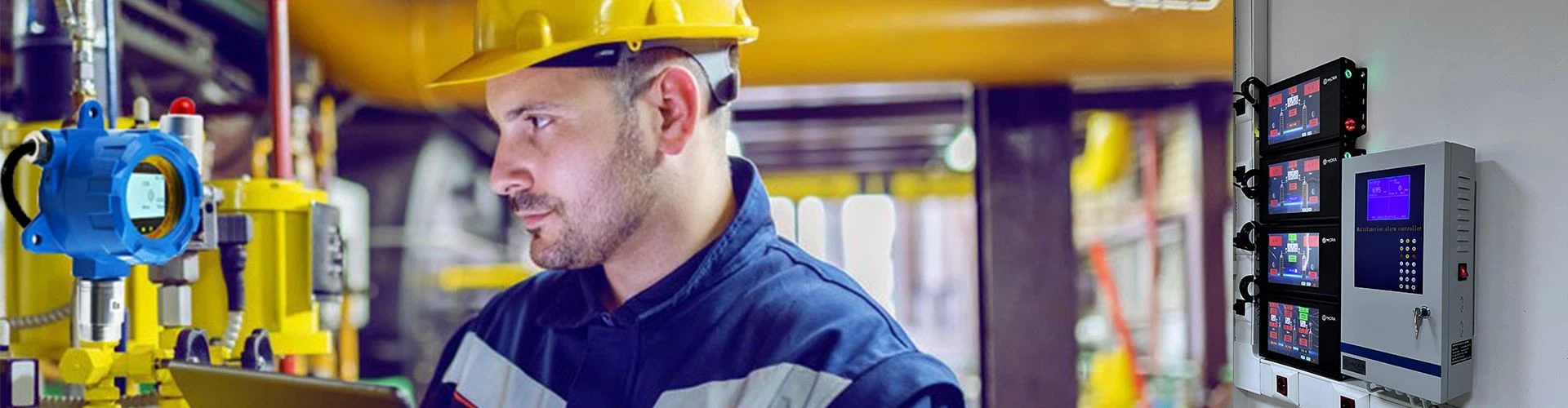
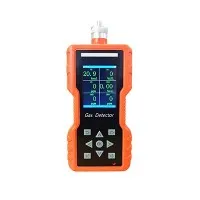
Our company's fixed CO detector can effectively monitor CO concentration within a certain range. It has IP65 dust and water resistance, real-time data display, fast response, and connects to the control cabinet to link the fan. Furthermore, it can realize real-time monitoring and alarm functions on a PC, as well as SMS notification functions.