






1.Brief introduction
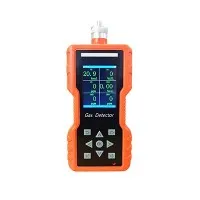
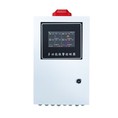
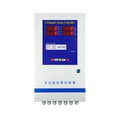
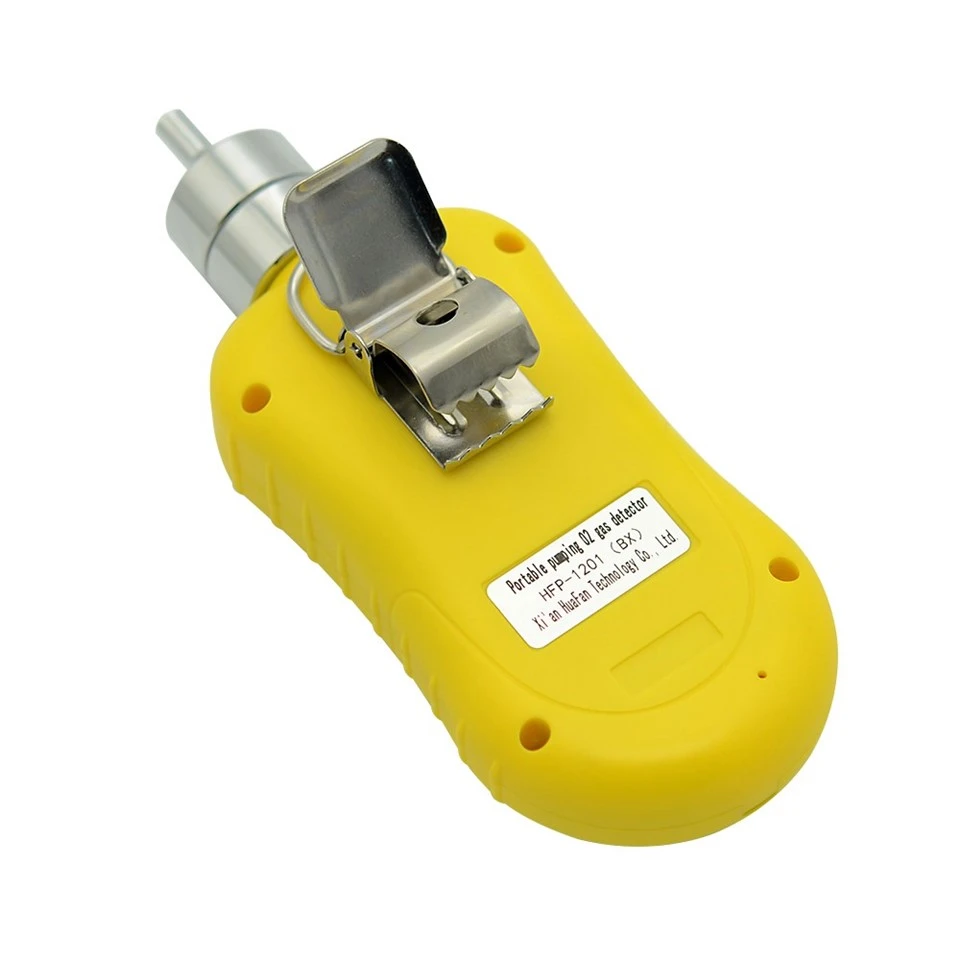
Phosphine gas detector pump suction is a portable gas detector that is used to detect the presence of phosphine gas in the air. Phosphine gas is a highly toxic gas that can pose serious health risks if inhaled in high concentrations. Therefore, having a reliable phosphine gas detector is crucial in order to ensure the safety of individuals working in areas where phosphine gas may be present.
The pump-suction mechanism in these detectors allows for active sampling of air from the environment, drawing it into the sensor for analysis. This feature is particularly useful in hard-to-reach or confined spaces where passive diffusion might not be sufficient for accurate detection. The device typically includes a high-sensitivity sensor, a pump for air sampling, and an alarm system to alert users when phosphine concentrations exceed safe levels.
The phosphine detector can monitor the concentration of phosphine gas in the environment in real time through the built-in high sensitivity sensor. When the phosphine concentration is detected to exceed the safety threshold, the equipment will issue an audible and visual alarm to remind the staff to take the necessary safety measures. According to the different sampling methods, phosphine detectors can be divided into two types: diffusion type and pump type. Diffusion detector: relies on natural gas diffusion into the sensor for detection, suitable for open or well-ventilated environments. Pump detector: Active sampling of air samples through the built-in pump for detection, suitable for confined Spaces, pipelines or areas that are difficult to contact directly.
2.Features
(1).Pump-suction Mechanism: The built-in pump actively draws air samples into the device, enabling detection in confined or hard-to-reach areas.
(2).Real-time Monitoring: Provides continuous, real-time monitoring of phosphine gas levels, with immediate alerts if concentrations exceed predefined thresholds.
(3).Data Logging: Some models include data logging capabilities, allowing users to record and analyze gas concentration trends over time.
(4). Audible and Visual Alarms: Equipped with loud alarms and bright visual indicators to ensure alerts are noticed even in noisy or low-visibility conditions.
3.Products parameters.
|
Product Name: |
Phosphine gas detector pump suction |
|
Model: |
HFP-1201BX |
|
Product size: |
180*71*51mm |
|
Product weight: |
230g |
|
Detect gas: |
PH3 |
|
Sampling method: |
Pumping |
|
Measure range: |
0-1000ppm |
|
Resolution: |
1ppm |
|
Display: |
LCD display, in english description |
|
Alarm type: |
Audible,visual,vibration |
|
Power supply: |
Rechargeable lithium battery(1800mAh) |
|
Charging time: |
3-6hours |
|
Running time: |
15 hours |
|
Certificate: |
CE,ATEX |
|
Ambient temperature: |
-20℃ -50 ℃ |
|
Ambient humidity: |
15% - 95%RH |


4.Application
(1). Agriculture: Phosphine gas detectors pump suction are used in agriculture to monitor fumigation processes in grain storage facilities and shipping containers. This helps ensure that the fumigation process is effective and that the levels of phosphine gas are within safe limits.
(2). Industrial settings: Phosphine detection instruments are also used in industrial settings where phosphine gas may be present as a byproduct of various chemical processes. Monitoring the levels of phosphine gas is important to ensure worker safety and prevent potential hazards.
(3). Research laboratories: Phosphine detection instruments are used in research laboratories where phosphine gas is used as a reagent in various experiments and processes. Monitoring the levels of phosphine gas helps ensure the safety of researchers and prevent accidental exposure.
(4). Emergency response: Phosphine detection instruments are also used by emergency response teams in the event of a phosphine gas leak or spill. Rapid detection of phosphine gas is critical to implementing effective response measures and mitigating the risks associated with exposure.
5.Maintenance
It is important to calibrate the Phosphine gas detector pump suction regularly to ensure accurate readings. This can be done by following the manufacturer's instructions and using calibration gases. The sensor of the phosphine detector can get dirty over time, which can affect its performance. Cleaning the sensor regularly with a clean, dry cloth can help maintain its sensitivity. When not in use, store the phosphine detector in a clean, dry place away from direct sunlight and extreme temperatures. This will help prolong its lifespan.
6. Contact Us:
E-mail: golf@huafankj.com
WhatsApp/Wechat: +0086 15721910713
Hot Tags: phosphine gas detector pump suction, China phosphine gas detector pump suction manufacturers, suppliers