





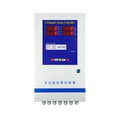


1. Brief introduction:
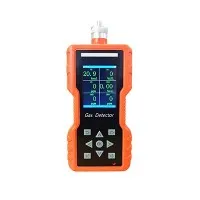
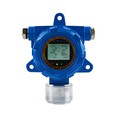
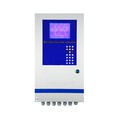
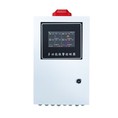
Flammable gas detector is a safety device used to detect the presence of combustible gases in the air. It is widely used in industrial plants, commercial buildings, and residential areas to protect people and properties from potential gas explosions and fires.
2. Detailed introduction:
The basic structure of flammable gas detector consists of a gas sensor, an alarm circuit, and a power supply. The gas sensor is the core component of the alarm, which detects the presence of combustible gases and sends a signal to the alarm circuit. The alarm circuit then triggers an audible and/or visual alarm to alert occupants of the area. The power supply can be either battery-operated or direct AC power.
The main features of a combustible gas alarm include high sensitivity, accuracy, reliability, and durability. The alarm is designed to detect a wide range of flammable gases, including methane, propane, butane, hydrogen, and natural gas. It can also detect gas leaks at low concentrations and trigger an alarm before the gas reaches a hazardous level. The alarm is typically equipped with a test button to ensure that it is functioning properly.
3. Products features:
The main features of a combustible gas alarm include high sensitivity, accuracy, reliability, and durability. The alarm is designed to detect a wide range of flammable gases, including methane, propane, butane, hydrogen, and natural gas. It can also detect gas leaks at low concentrations and trigger an alarm before the gas reaches a hazardous level. The alarm is typically equipped with a test button to ensure that it is functioning properly.
4. Detection gas:
|
No |
Detection Gas |
Gas |
Measure Range |
Resolution |
Alarm Point (Low/High) |
|
1 |
Combustible Gas |
EX |
0-100% LEL |
1% LEL |
25 / 50% LEL |
|
2 |
Oxygen |
O2 |
0-30% VOL |
0.1% VOL |
18% / 23% VOL |
|
3 |
Hydrogen Sulfide |
H2S |
0-200 ppm |
0.1 ppm |
10 / 20 ppm |
|
4 |
Carbon Monoxide |
CO |
0-1000/2000 ppm |
1 ppm |
50 / 150 ppm |
|
5 |
Nitrogen Dioxide |
NO2 |
0-20 ppm |
0.1 ppm |
5 / 10 ppm |
|
6 |
Nitric Oxide |
NO |
0-250 ppm |
1 ppm |
25 / 50 ppm |
|
7 |
Carbon Dioxide |
CO2 |
0-5% VOL |
0.01% VOL |
0.2-0.5 VOL |
|
8 |
Sulfur Dioxide |
SO2 |
0-100 ppm |
0.1 /1 ppm |
5 / 10 ppm |
|
9 |
Chlorine |
CL2 |
0-20 ppm |
0.1 ppm |
1/ 2 ppm |
|
10 |
Ammonia |
NH3 |
0-200 ppm |
1 ppm |
35 / 70 ppm |
|
11 |
Hydrogen |
H2 |
0-1000 ppm |
1 ppm |
35 /70 ppm |
|
12 |
Phosphine |
PH3 |
0-1000 ppm |
1 ppm |
5 / 10 ppm |
|
13 |
Hydrogen Chloride |
HCL |
0-100 ppm |
1 ppm |
10 / 20 ppm |
|
14 |
Ozone |
O3 |
0-50 ppm |
0.1 ppm |
5/ 10 ppm |
|
15 |
Hydrogen Flouride |
HF |
0-50 ppm |
1 ppm |
5/ 10 ppm |
|
16 |
Methanol |
CH4O |
0-100 ppm |
1 ppm |
5 / 10 ppm |
|
17 |
Formaldehyde |
HCHO |
0-100 ppm |
1 ppm |
10 / 20 ppm |
|
18 |
Ethylene Oxide |
ETO |
0-100 ppm |
1 ppm |
10 / 20 ppm |
|
19 |
Nitrogen |
N2 |
70-100 VOL |
0.1 VOL |
82/90 VOL |
|
20 |
Organic Compound |
VOC |
0-100 ppm |
1 ppm |
10 / 20 ppm |


5. Application:
Combustible gas alarms are used in various settings to detect potential gas leaks and prevent accidents. In industrial plants, they are installed in areas where gas leaks are likely to occur, such as storage tanks, pipelines, and processing equipment. In commercial buildings, they are used in kitchens, boiler rooms, and loading docks. In residential areas, they are installed near gas furnaces, water heaters, and stoves. The use of combustible gas alarms is recommended by safety organizations and building codes to protect people and properties from gas-related disasters.
6. Calibration process :
1). Turn on the gas supply to the calibration gas cylinder and connect the regulator to the gas cylinder.
2). Connect the tubing from the calibration gas cylinder to the calibration port on the combustible gas detector.
3). Turn on the combustible gas detector and allow it to warm up for at least 2 to 3 minutes.
4). Press and hold the calibration button on the detector until the detector enters calibration mode.
5). Follow the manufacturer's instructions for adjusting the calibration level of the detector. This typically involves adjusting a potentiometer or dial on the detector.
6). Once the calibration level has been adjusted, press the calibration button again to exit calibration mode.
7). Allow the detector to stabilize for at least 2 to 3 minutes before testing for combustible gas.
8). Test the combustible gas detector by exposing it to a known concentration of the gas, such as by using a gas sample bag or by releasing the gas into the air.
9). Verify that the combustible gas detector alarm activates at the appropriate level of gas concentration.
10). If necessary, repeat the calibration process until the detector is properly calibrated and functioning correctly.
7. contact us:
E-mail: golf@huafankj.com
WhatsApp/Wechat: +0086 15721910713
Hot Tags: flammable gas detector, China flammable gas detector manufacturers, suppliers


