

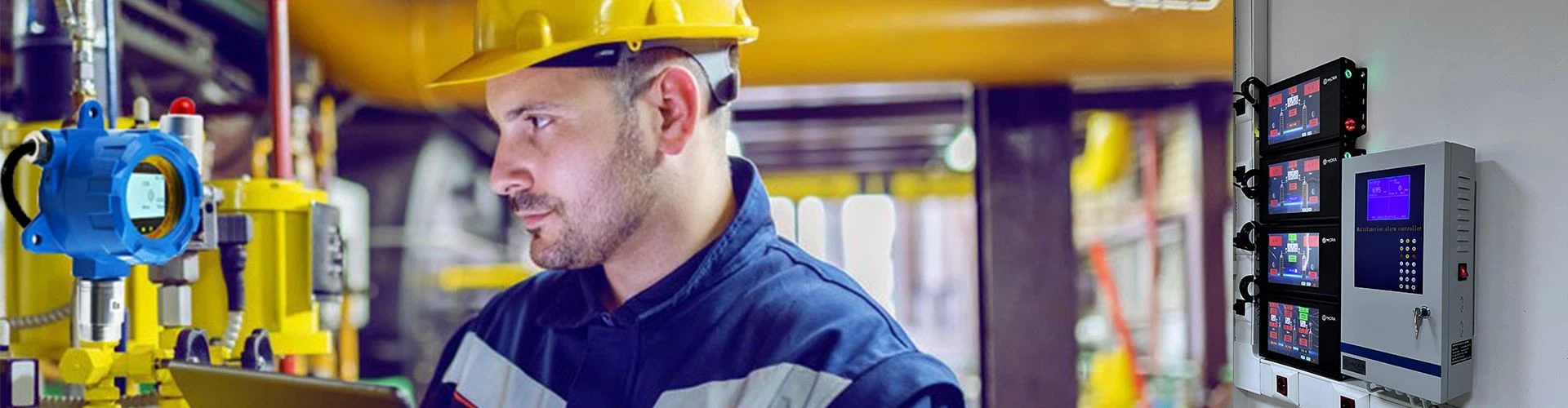


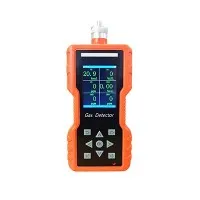


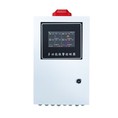

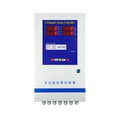
Bus system is also known as RS485, branch line system is also known as 4-20mA model. These two wiring methods, each has its corresponding alarm host.
In general, the vast majority of bus gas detectors use 4-core shielded wire, 2 power lines, 2 signal lines, the transmission distance is relatively long, about 1-2Km; The divided wire gas detector uses three cores, two power cables, one signal line, the negative terminal of the power supply and the signal line are common, and the transmission distance is relatively close, within 1Km.
1.Centralized systems use a central control panel connected to all the detectors through a bus communication cable in a network configuration. This integrated system offers several advantages. It is easy to install and operate, and data is readily available in real-time, providing a centralized system that offers high reliability and accuracy. Additionally, advanced features such as data logging and internet connectivity can be included in this system, making it a superior option for large facilities and complex environments.
(1).Advantages of bus system:
The bus control system does not have such inconvenient factors, and transmits data in the same form on the data line, which enhances the reliability of the data. Simple wiring, small workload. The obvious advantages of the bus system are less wiring, simple wiring, and less cost. Four bus system, two signal lines, two power lines, simple wiring, convenient.
(2).Disadvantages of bus system:
Signal delay. The data is brushed out one by one, especially when there are a large number of probes. Power supply problem. All probes are centrally powered by the host, and when the number of probes is large, the power supply capacity of the host is insufficient, and local power supply is required.

2.Distributed systems use individual detectors connected by wires to a central monitoring panel. This system is relatively simple, and detectors can be easily added or removed according to user requirements. Additionally, this system is cost-effective compared to the centralized system, as each detector is relatively inexpensive. However, the major drawback of this system is the complexity of cabling which can cause difficulty in installation, maintenance, and replacement.
(1).Advantages of the line system:
Good data synchronization, power supply is not limited. Compared with the bus system, each gas detector in the sub-line system communicates with the controller separately, which can transmit the scene situation to the control part in a timely manner, so that the monitoring personnel can make timely and effective judgments, and the peripheral control equipment can make corresponding control actions in a timely and effective manner to avoid the occurrence of dangerous accidents.
(2).Disadvantages of the line system:
The wiring is complicated. The signal interferes greatly. The wiring amount is large, the workload is large, the wiring is complicated, the installation and construction are complicated, the installation and the material cost are high.
