






Do you know the difference between diffused and pump gas detectors?
Portable gas detector is a common gas detector, which can be divided into diffused gas detector and pump type gas detector according to different sampling methods. Do you know the difference between these two detectors?

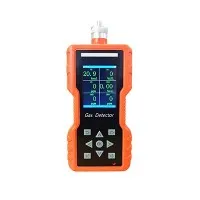
Pump gas detector uses a small gas sampling pump driven by the power supply to extract and sample the gas in the area to be tested, and then sends the resulting gas into the gas detector for detection and analysis.

Generally applicable to some people should not go in, not easy to go in the place, or before the operation personnel into the place, must be tested. Such as tunnels, pipelines, sewers, agricultural closed granaries, railway tanker, tank, etc. Pump gas detector can be installed a long pipe at the pump section, remote sampling. Fast detection speed and remote measurement are the advantages of the pump type gas detector, but the production cost is increased due to the loading of the air pump.

Diffused gas detector detect the gas concentration by natural air flow, part of the inside air will flow into the gas detector, so that the gas detector is able to flow into the gas are analyzed, and calculated results. Relative to the pump suction gas detector, since there is no getter pump, diffused gas detector sampling speed is slow, and test results is susceptible by wind temperature outside factors such as interference detection environment, results will exist error, but the production cost is low.
Diffused gas detector can check whether there are toxic and harmful substances in the air in real time and accurately. Generally, diffused gas detector is used in open places, such as open workshops. This method is affected by the test environment, such as ambient temperature, wind speed, etc.

The operating principle of the pump type and the diffused gas detector is basically the same. The gas is detected by the sensor of the instrument, and then the corresponding value is displayed on the screen through the circuit enlargement and arrangement. Catalytic combustion sensors for combustible gases and electrochemical sensors for toxic gases are commonly used. The biggest difference is the different air intake and application places.
