







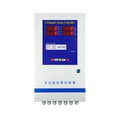
Hydrogen sulfide (H2S) is a highly toxic gas that can easily cause poisoning and even threaten life. Therefore, it is particularly important to conduct online monitoring of hydrogen sulfide concentration. At present, several main methods are widely used in the online monitoring of hydrogen sulfide, including electrochemical method, optical method and gas chemical method.
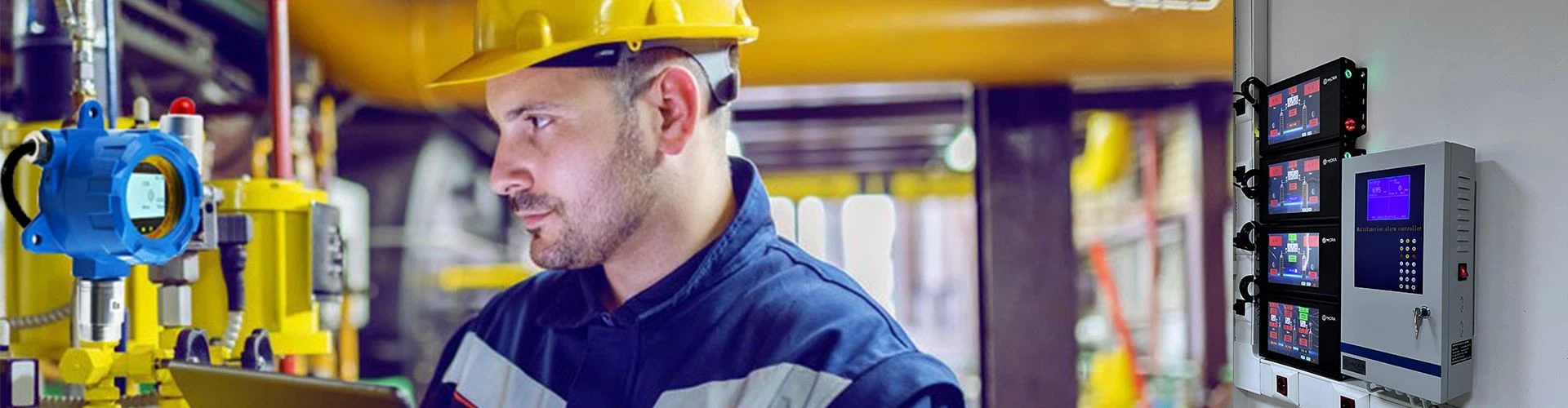
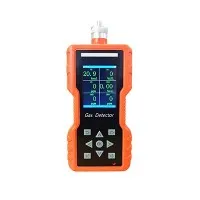
Industrial H2S gas detector monitors are key tools for ensuring the life safety of workers in environments with a risk of H₂S. It provides early warnings for personnel evacuation and the implementation of control measures by detecting the concentration in real time and sounding an alarm when it exceeds the standard. The hydrogen sulfide detector can continuously or on demand measure the concentration of H₂S gas in the air. The hydrogen sulfide detector can record data such as concentration changes and alarm events in real time, which is used for subsequent analysis and safety audits. The current detected concentration value is usually displayed in ppm. When the detected H₂S concentration exceeds the preset safety threshold, an audible and visual (and sometimes vibration) alarm will be triggered to remind personnel to take immediate action (such as evacuation and wearing a respirator).

First of all, electrochemical method is a common and reliable approach. The basic principle is to use an electrochemical sensor to measure the concentration of hydrogen sulfide through changes in current. The sensor contains a reactive element. When hydrogen sulfide comes into contact with this element, it causes a change in current, thereby indirectly measuring the concentration of hydrogen sulfide. One of the major advantages of this method is its high sensitivity and wide monitoring range, which can quickly and accurately detect the concentration changes of hydrogen sulfide. In addition, electrochemical methods can also be combined with other sensing technologies, such as temperature sensors or humidity sensors, to enhance the accuracy of measurement results.
Secondly, the optical method is also a commonly used online monitoring method for hydrogen sulfide. This method measures the concentration of hydrogen sulfide based on the color change produced by the chemical reaction between hydrogen sulfide and specific chemical substances. Optical sensors can sense this color change and convert it into an electrical signal, which is then processed to obtain the concentration value of hydrogen sulfide. This method features high accuracy and a fast response time, and is suitable for monitoring hydrogen sulfide concentrations within various ranges. However, the equipment cost of the optical method is relatively high, and the requirements for environmental conditions are also quite strict.
In addition, gas chemical methods are also often used for online monitoring of hydrogen sulfide. This method measures the concentration of hydrogen sulfide by generating measurable signals through the reaction of hydrogen sulfide with specific chemical reagents. The advantages of the gas chemical method lie in its good stability, fast reaction speed, and the ability to adapt to monitoring of different concentration ranges by adjusting the proportion of chemical reagents. However, the application of this method is restricted by environmental conditions, especially as temperature and humidity have a significant impact on the test results.