






The construction of tunnels and pipe corridors will inevitably produce some toxic and harmful gases. These gases have always been one of the important hazards in the construction process. The toxic and harmful gases in tunnels mainly include methane, carbon monoxide, hydrogen sulfide, carbon dioxide, and trace amounts of nitrogen oxides. And VOC gas.
According to the physical and chemical properties of these gases, these gases are divided into combustible gases and toxic gases. The flammable gas in the tunnel is mainly methane (CH4) and some volatile organic gases (VOC). The main hazard is that the gas concentration exceeds the standard and it will be protected by an open fire, which will cause huge losses to property and personnel.
The toxic gas in the tunnel mainly causes damage to human functions and affects human life safety. There are mainly irritating gases such as chlorine, phosgene, sulfur dioxide, nitrogen oxides, ammonia and so on. Its characteristic is that it has a strong stimulating effect on the skin and mucous membranes, some of which are also corrosive. Asphyxiating gases such as carbon monoxide, carbon dioxide, nitrogen, etc., these gases have no obvious toxicity to human functions, but they can cause hypoxia in cells and produce hypoxic suffocation.
How to choose a tunnel gas detector?
1. First determine the types of toxic and harmful gases in the tunnel
According to historical experience and geographical environment, the most common gases in the tunnel are: carbon monoxide, methane, and hydrogen sulfide. These gases are both toxic and flammable and explosive. It is easy for us to confirm the type of gas detector.
2. Choose the type of tunnel gas detector
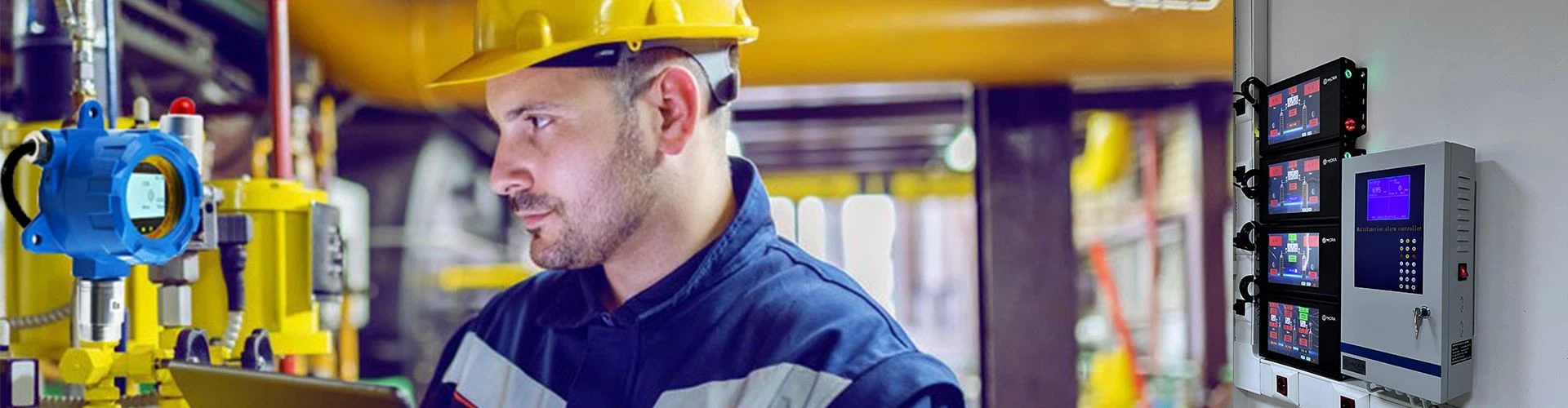
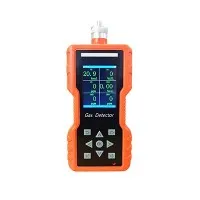
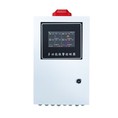
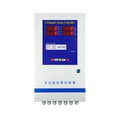
Tunnel detection generally chooses a fixed gas detector. Methane is a flammable gas that mainly detects the explosiveness of methane. You can choose a combustible gas detector with a unit of LEL. This detector has a simple principle, wide use, and low maintenance cost. There is also a toxic gas detector, carbon monoxide detector, hydrogen sulfide detector, this type of detector is to detect the harm to the human body caused by excessive concentration of toxic gas. In addition, an oxygen detector must be selected to ensure that the oxygen concentration in the tunnel is too low or too high.