

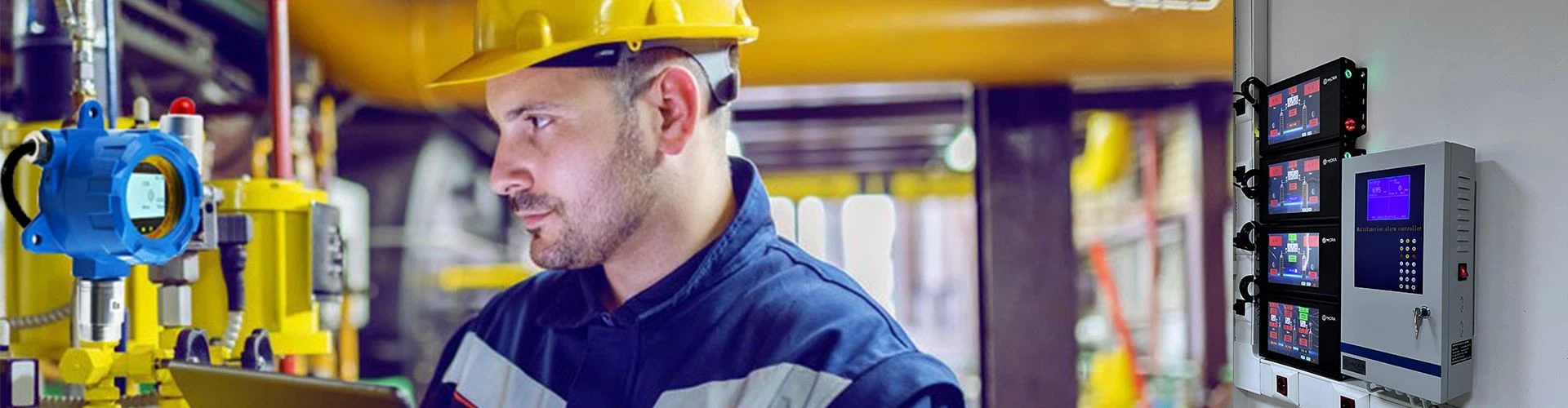




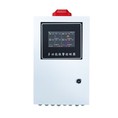

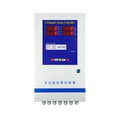
In different production occasions and detection requirements, choosing a suitable gas detector is an important foundation.
1.When choosing a suitable gas detector, the following principles are generally followed.
(1). Determine the type of gas that needs to be detected in the detection environment.
Each production department encounters different types of gases. When choosing a gas detector, you must consider the type of gas that needs to be detected, so you can choose a gas detector that detects the corresponding gas.
(2). Determine the use of the gas detector.
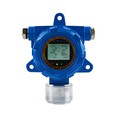
Different environments need different gas detectors. If you are in an open place, such as an open workshop, you can use a diffusion gas detector because it can continuously, in real time, and accurately display the concentration on site.
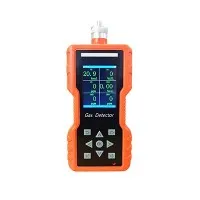
If you enter a confined space, such as a reaction tank, storage tank or container, sewer or other underground pipelines, underground facilities, agricultural confined granaries, railway tank cars, shipping cargo holds, tunnels and other workplaces, you must conduct a test before entering, and the test must be conducted outside the confined space. At this time, you must choose a multi-gas detector with a built-in sampling pump.

2.How to calibrate a gas detector?
Now many gas detectors can replace the detection sensor, but this does not mean that a detector can replace the sensor at any time. Whenever you replace the sensor, in addition to the necessary sensor aging, you must also calibrate the instrument. The corresponding standard gas cylinder is needed for calibration.
The calibration method of the combustible gas alarm detector and the toxic gas alarm detector is the similar. First, use a zero gas (generally clean air or a standard gas without the gas to be measured) and a standard gas of a certain concentration to calibrate the gas detector, and obtain the calibration curve and store it in the instrument. During the measurement, the instrument converts the gas to be measured into an electrical signal, which is converted into the actual concentration value after calculation. Therefore, it is essential to make zero setting and calibrate the instrument regularly. When calibrating a gas detector, pay attention to the following:
(1). The gas detector should be operated in a stable condition during calibration to avoid factors such as temperature, humidity, air pressure, and wind speed affecting the calibration results.
(2). The calibration method usually used for gas detectors is the standard gas sample comparison calibration method, and the error of each point shall not exceed the specified value of the verification procedure.
(3). The gas flow rate introduced into the instrument during the calibration process must be strictly in accordance with the instructions. If the flow rate is too large or too small, the subsequent test results will be affected and the measurement error will be inverted.
(4). During the calibration process, the gas detector should use a standard gas hood suitable for the gas detector itself. If the selected standard gas hood does not match, the unstable detection data will be inverted.
(5). During the calibration of the gas detector monitoring point, pay attention to the alarm signal of the instrument. If the alarm fails or the alarm sound and light intensity is low, it is a poor quality instrument.