





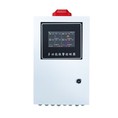

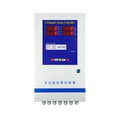
When it comes to connecting solenoid valves to a gas detector control panel, it's important to follow some basic guidelines to ensure that everything works smoothly and safely. The process can seem a bit daunting, but with a little bit of care and attention, it's easy to get it right.
Firstly, it's important to identify the correct wires that are required. There are typically three wires involved in connecting a solenoid valve (power supply, earth, and control signal), so it's important to ensure that these are all correctly identified before any connections are made.
Next, ensure that the power supply to the control panel is turned off before connecting any wires. This helps to reduce the risk of electrical shock and ensures that the wires are connected safely and correctly.
Once the wires have been identified and the power supply is switched off, it's simply a matter of connecting the wires to the correct terminals on the solenoid valve. This may require the use of crimping or soldering tools, so it's important to ensure that these are used correctly and safely.
Finally, it's important to test the solenoid valve to ensure that it is functioning correctly before it is used in an operational capacity. This involves checking that the valve opens and closes correctly when the control signal is applied, and that there are no leaks or other issues that could cause problems down the line.

Please pay more attention below.
The gas alarm not only has the function of industrial gas leak alarm, but also has the function of linkage solenoid valve to cut off the gas pipeline. Gas alarm connected to the solenoid valve need to alarm the host to the solenoid valve a valve output signal, the valve output is a group of normally open normally closed signal, if you want to connect the solenoid valve to determine the solenoid valve is normally open, or normally closed, and then determine the working voltage and power of the solenoid valve.
Normally open solenoid valve with AC220V voltage and power less than 1000W: Two cables are led from the solenoid valve: one live wire and one neutral wire, respectively connected to the normally open operating module and power module of the alarm host.
The power module is connected with the normally open module through the common module, when the alarm host alarms, it will give the normally open module an action, the normally open module receives the action to close, so as to achieve the valve output, so that the normally open solenoid valve receives the action signal to close, so that the solenoid valve forms a closed circuit with the host. Until the alarm host is no longer alarming, the circuit is disconnected, and each device returns to its normal state.