

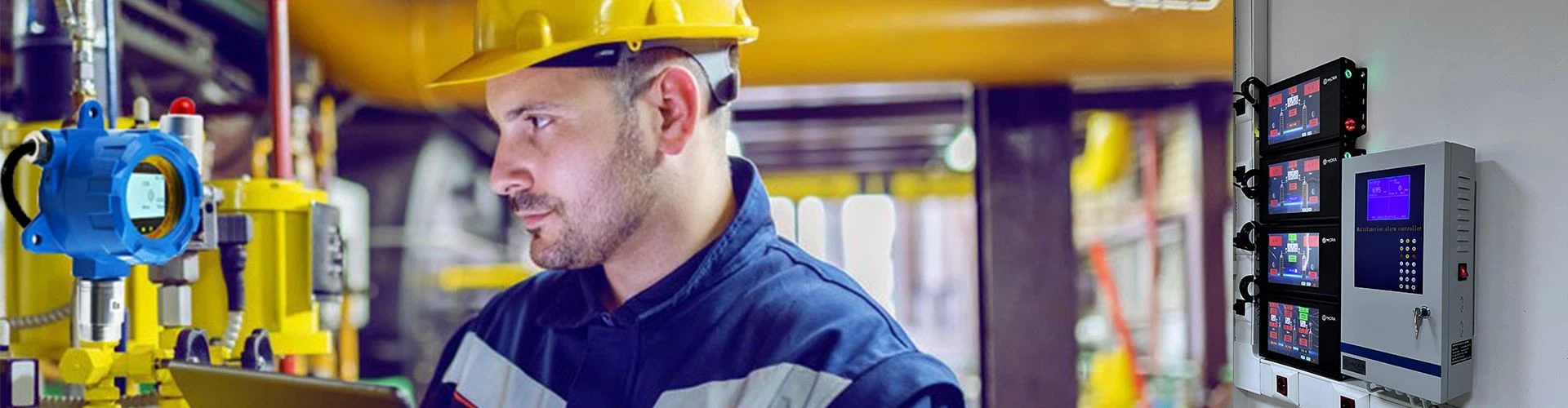


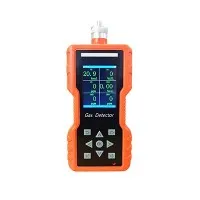


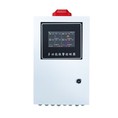

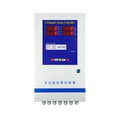
Combustible gas alarm monitor is a vital safety equipment in industrial production and daily life, its responsibility is to closely monitor the concentration of combustible gas in the environment, and quickly issue an alarm when the concentration reaches the preset alarm threshold, in order to remind the relevant personnel to take emergency measures in time, so as to effectively prevent the occurrence of fire or explosion accidents. Therefore, the accurate calibration of the zero point and indication value of the combustible gas alarm is undoubtedly the core link to ensure its stable performance and accurate warning. So do you know how to correctly calibrate the zero point and indication value of the combustible gas alarm?
1. The preparation stage
Confirm the calibration environment: Select a dust-free, non-corrosive gas, appropriate temperature and low relative humidity environment to calibrate the combustible gas alarm.
Prepare calibration gas: Select a standard gas that matches the type of gas detected by the combustible gas alarm, and ensure that its concentration is within the working range of the combustible gas alarm and its stability is good. Usually, zero calibration uses clean air or nitrogen with a purity of not less than 99.99%, and the gas standard substance specified in the combustible gas alarm instruction manual is used for indicating value calibration.
Prepare tools: Prepare necessary calibration tools, such as gas flowmeters, calibration gas bottles, pressure reducing valves, connecting pipes, etc.
Check the alarm: check whether the appearance of the combustible gas alarm is intact, whether the sensor is clean, and ensure that the combustible gas alarm is in normal working condition.
2. zero calibration
Zero-point gas: Place the combustible gas alarm in clean air (or use a nitrogen cylinder to inject nitrogen) to ensure that there is no flammable gas in the environment.
Adjust zero point: Adjust the zero point of the flammable gas alarm according to the steps described in the flammable gas alarm manual, so that its display value is zero.
Observe the stability: Wait for a period of time (such as 5 minutes) to observe whether the flammable gas alarm display value is stable. If there is any change, adjust the zero point repeatedly until stable.
3.Indicating value calibration (range calibration)
Connect the calibration gas: Connect the calibration gas cylinder to the gas flowmeter, adjust the gas flow through the pressure reducing valve, and gradually increase the calibration gas concentration.
Through the calibration gas: Connect the output end of the gas flow meter to the sensor interface of the combustible gas alarm, so that the combustible gas alarm is exposed to the calibration gas.
Adjust the indicator value: After the indicator value of the combustible gas alarm is stable, adjust the indicator value to the concentration value of the gas standard material according to the steps described in the manual of the combustible gas alarm.
Verify the calibration results: By gradually reducing the calibration gas concentration, observe whether the flammable gas alarm display value returns to zero, and repeat the calibration process several times to ensure the accuracy of the calibration results.