






Formaldehyde (chemical formula CH₂O or HCHO), also known as formic aldehyde, is an organic compound with chemical formula CH2O, relative molecular mass 30.03, melting point -92℃, boiling point -19.5℃, relative density 0.815g/cm³, easily soluble in water and ethanol.
Formaldehyde is a colorless gas. It is not easy to detect at low concentrations and is easily masked by other odors, such as air fresheners. At high concentrations, it has a strong irritating and suffocating odor, which is irritating to the eyes and nose. Formaldehyde is a toxic gas that seriously endangers human health. If patients are in an environment with high formaldehyde concentration for a long time, they may experience dizziness, headache, tears, nausea and vomiting, coughing, chest tightness, leukemia, etc., and severe cases may lead to death.
Formaldehyde detection method:
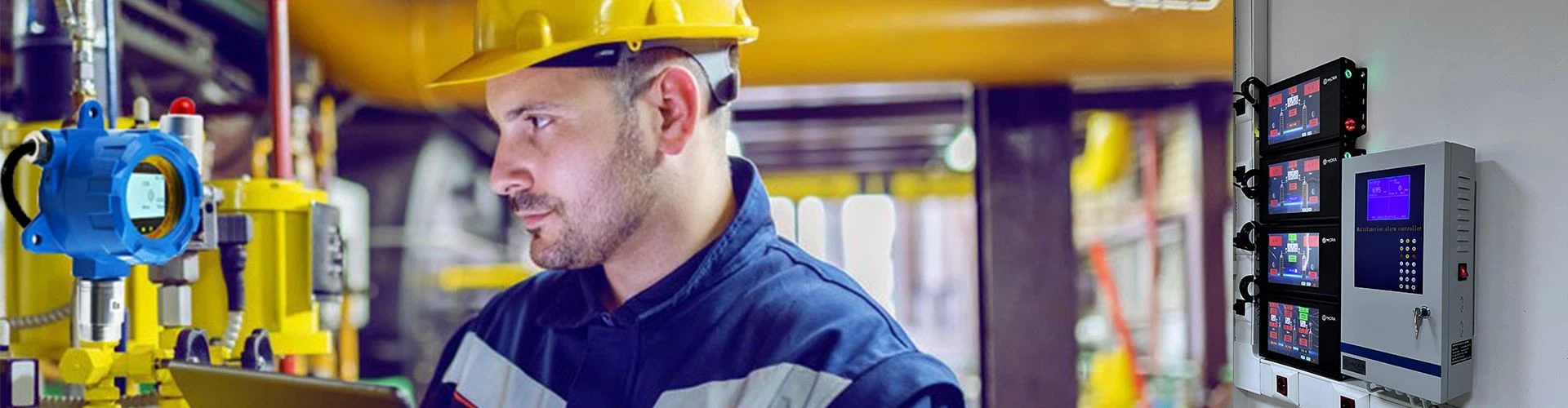
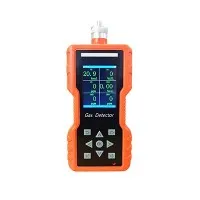
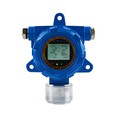
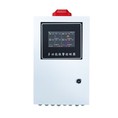
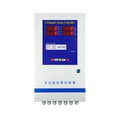
Our company mainly produces and sells gas leak alarm detection equipment. Formaldehyde detectors are divided into portable detectors and fixed detectors.
The portable formaldehyde detector is small in size, light in weight, and has an alligator clip design that makes it easy to carry.
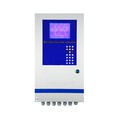
The fixed formaldehyde detector is used in conjunction with an alarm control panel or PLC/DCS device. The fixed detector adopts an explosion-proof design, with 4-20mA standard signal output and RS485 Modbus signal output (RS485 Modbus signal output is an optional function). Once formaldehyde leakage is detected and when the leakage reaches the alarm point, the formaldehyde detector will display the value, sound an alarm, and transmit the formaldehyde concentration to the alarm control panel through signal output.

The formaldehyde detector uses an electrochemical sensor to detect formaldehyde. The electrochemical sensor has good performance, low cost, and very high cost performance. The measurement range and resolution can basically meet the requirements of indoor environmental detection. However, the disadvantage is that it is sensitive to the environment, easily affected by temperature and humidity, and easily interfered with by other gases (such as benzene, TVOC, etc.) The detection results are also easily consumed by other gases (such as benzene, TVOC, etc.), and its working life is generally short because the electrolyte undergoes an irreversible chemical reaction with the measured formaldehyde gas and is consumed.
Application areas of formaldehyde detectors:
Petrochemical: used to detect formaldehyde leakage in petrochemical production equipment areas (such as reactors, storage tanks, etc.), which must have explosion-proof certification and adapt to harsh environments such as high temperature and high pressure.
Municipal and fire protection: used to monitor formaldehyde concentration in municipal facilities, fire sites and gas pipelines to ensure public safety.
Medicine and food processing: used in scenes such as pharmaceutical production and food processing where the emission of harmful substances needs to be controlled to ensure production safety and compliance.
Electricity and metallurgy: In environments with toxic gases such as power plants and metallurgical plants, formaldehyde concentration is detected to prevent accidents.
Sewage treatment: used to monitor the volatile concentration (0.1-10 ppm) of formaldehyde-containing wastewater, which needs to deal with high humidity and corrosive gas interference.