






Nitrogen oxides (NOₓ) is a general term for a class of compounds composed only of nitrogen (N) and oxygen (O) elements, mainly including: nitrous oxide (N2O), nitric oxide (NO), nitrogen dioxide (NO2) and nitrogen trioxide (N2O3). Among them, except for N2O and NO2, other compounds are extremely unstable and will quickly decompose into NO and NO2 when exposed to light, moisture or heat. Therefore, the nitrogen oxides actually exposed to industry and the environment are mainly a mixture of NO and NO2. Actual pollution control also focuses on NO and NO₂.
NO is a colorless and odorless gas that is slightly soluble in water. NO2 is a reddish-brown irritating gas. All nitrogen oxides are toxic, and NO2 is 4 to 5 times more toxic than NO. It mainly comes from automobile exhaust, industrial combustion and chemical production. As an important industrial raw material, nitrogen oxides are widely used in fertilizer and explosive manufacturing, but their leakage may pose a serious threat to health and the environment.
1.Leakage hazards:
(1). Health damage: Inhalation of high concentrations of nitrogen oxides can cause breathing difficulties and pulmonary edema, and long-term exposure may lead to chronic respiratory diseases.
(2). Environmental pollution: NOx is the main component of acid rain and photochemical smog, which will destroy vegetation and aggravate the greenhouse effect.
(3). Safety hazards: Mixing with organic matter may cause explosions, and colorless and odorless nitrogen leakage can easily lead to suffocation accidents.

2.The main measures to prevent nitrogen oxide leakage include the following aspects:
(1). Strengthen protection: In places where nitrogen oxides may be exposed, workers should correctly wear protective masks, goggles and other protective equipment to reduce direct exposure to the human body.
(2). Improve the environment: Keep the work and living places well ventilated, reduce the accumulation of nitrogen oxides, and avoid them reaching harmful concentrations in the air.
(3). Standardized operation: Relevant enterprises should strictly abide by the operating procedures, control the generation and emission of nitrogen oxides, and ensure safe operation during the production process.
(4). Enhance awareness: Strengthen the understanding of the hazards of nitrogen oxides, understand the symptoms of poisoning and emergency treatment methods, and improve employees' safety awareness and emergency treatment capabilities.
(5). Regular testing: Regularly test the environment where nitrogen oxides may be contaminated, discover and deal with problems in time, and prevent leakage incidents.
3.Gas concentration dynamic monitoring method:
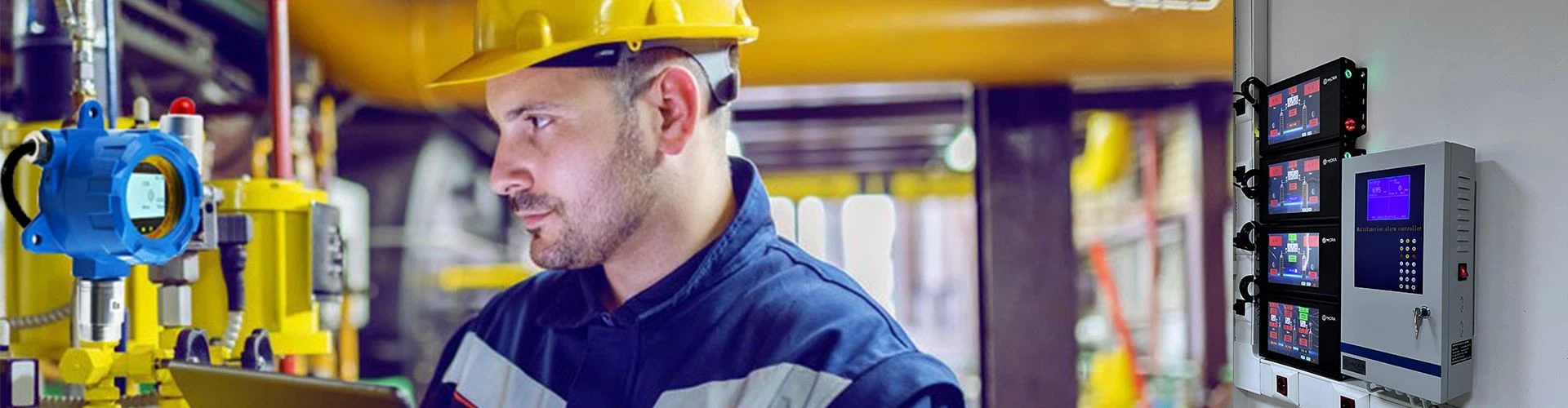
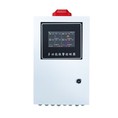
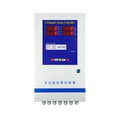
(1).Deploy fixed nitrogen oxide/O₂ detectors in risk areas, set the threshold value of exceeding the standard (such as O₂<19.5% triggers sound and light alarms) and link the ventilation system.
(2).Use online analysis platform for remote monitoring to achieve early warning of leakage.
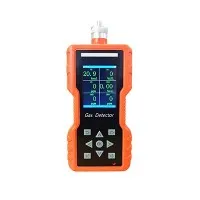
The personal multi gas detector produced by our company can detect toxic and harmful gases such as nitrogen oxides. Welcome to inquire.