

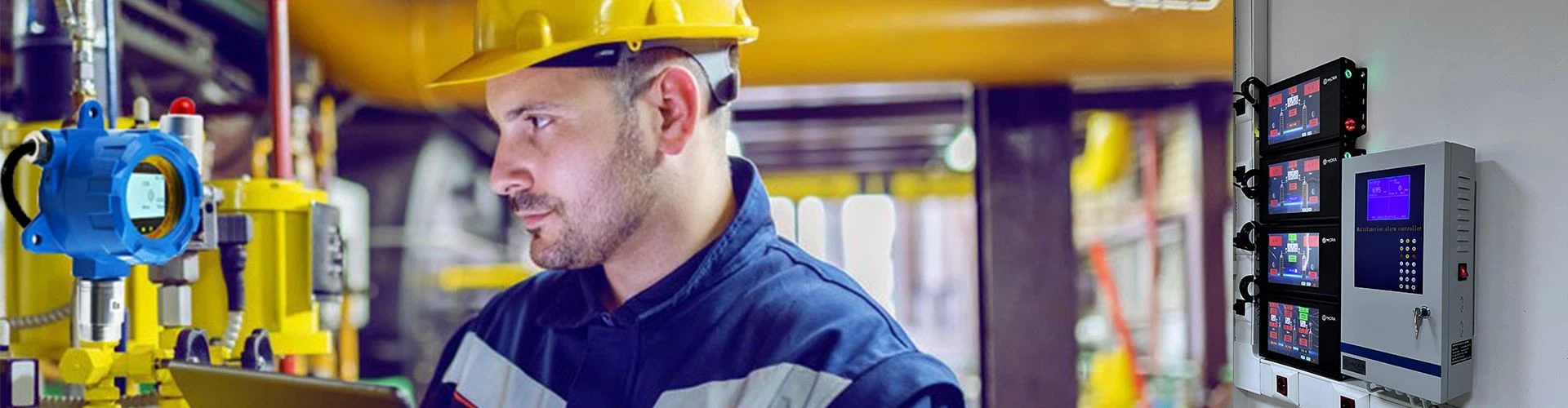


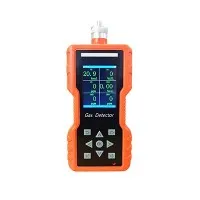


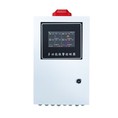

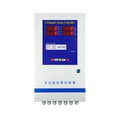
Regarding fixed hydrogen gas detector of hydrogen inhalation machines used in clinics, priority should be given to fixed-position hydrogen transmitters utilizing catalytic combustion or high-precision electrochemical sensing technologies. It is recommended to select a measurement range of 0–100% LEL (i.e., 0–40,000 ppm or 4% Vol), with the first-level alarm set at 20–25% LEL and the second-level alarm at 50% LEL. The device must feature a 4–20 mA analog output and meet relevant explosion-proof safety standards to ensure personnel safety.
1. Selection of Transmitter Type
Clinic environments are relatively enclosed spaces, and the hydrogen inhalation machines primarily utilize pure hydrogen or hydrogen-oxygen mixtures intended for human respiration; consequently, safety requirements are extremely stringent.
Recommended: Catalytic Combustion Sensor
Advantages: Excellent measurement linearity, long service life, strong adaptability to ambient temperature and humidity fluctuations, and highly suitable for detecting gas concentrations within the Lower Explosive Limit (LEL) range.
Applicable Scenarios: Areas housing medical hydrogen inhalation machines and hydrogen storage zones.
Alternative Sensor: Electrochemical Sensor
Advantages: Extremely high sensitivity (at the ppm level), low power consumption, rapid response to trace leaks, and strong resistance to interference from other gases.
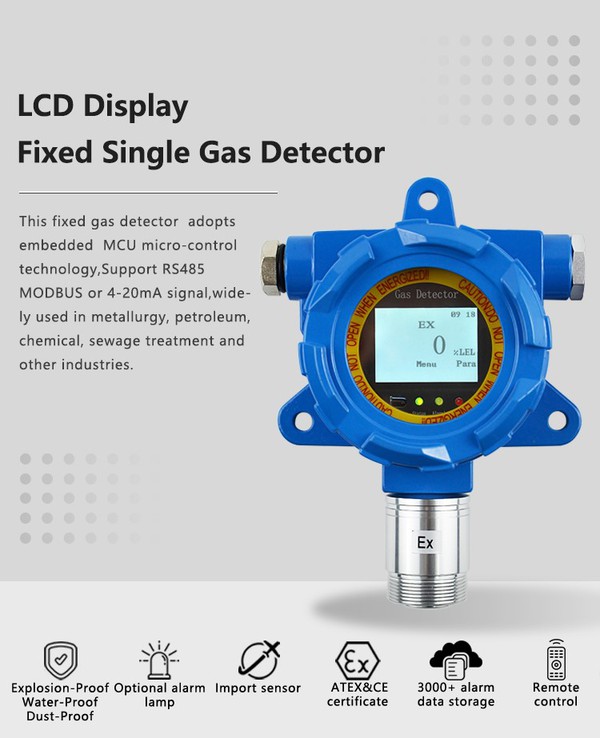
Important Considerations: The device must feature an explosion-proof design (e.g., meeting the Ex d II CT6 Gb standard) and, ideally, should be equipped with integrated audible and visual alarm devices as well as an LCD display.
2. Recommendations for Range Selection
The Lower Explosive Limit (LEL) for hydrogen is 4% Vol (equivalent to 40,000 ppm).
Recommended Range: 0–100% LEL (0–4% Vol / 0–40,000 ppm)
Rationale: Safety regulations mandate that monitoring equipment must cover a range spanning from extremely low concentrations up to levels approaching the critical threshold for explosion.
Specialized Requirement: If the primary focus is solely on potential health impacts to humans (rather than explosion prevention), a range of 0–1,000 ppm may be selected; however, this specific range is not suitable for-nor should it be relied upon for-the prevention of hydrogen explosions.
3. Alarm Threshold Settings
Based on safety standards, a two-tier alarm system is recommended:
Level 1 Alarm (Low Alarm): 20%–25% LEL
Level 2 Alarm (High Alarm): 50% LEL
4. Other Technical Requirements
Output Signal: The standard industrial 4–20 mA analog signal is used; RS485 serial communication is also available.
Installation Location: Since hydrogen is less dense than air, it will rise upon leakage; therefore, the sensor should be installed within a range of 0.5 to 2 meters above the top of the hydrogen inhalation machine.
Maintenance: Note that sensor sensitivity may degrade due to exposure to high-concentration surges or prolonged exposure; therefore, periodic calibration-typically once every six months to one year-is required to ensure data accuracy.
Hydrogen inhalation machines, selecting a catalytic combustion-type transmitter (0–100% LEL range) or an explosion-proof electrochemical transmitter (0–1000 ppm range) effectively ensures safety.