







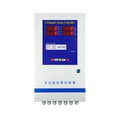
The toxic and harmful gases in the tunnel is the main source of danger in construction, and serious safety accidents can easily occur if the construction is improper. The gases present in the tunnel construction mainly include methane, carbon monoxide, carbon dioxide, hydrogen sulfide, nitrogen, varying amounts of heavy hydrocarbons, and trace rare gases.
The main components of the flammable gas in the tunnel are methane (CH4) and some volatile organic compounds (VOC). The main hazard is the explosion caused by gas combustion, which seriously threatens the personal safety of the tunnel construction personnel.
But the explosion of flammable gas must have certain conditions. A certain amount of combustible gas, enough oxygen and ignited fire source, the above three conditions are indispensable. Generally, the gas concentration at which the flammable gas explodes is called the minimum explosion limit, which is generally expressed by LEL, so for the detection of combustible gas, its LEL (lowest explosion limit) is generally detected.

The toxic gases in the tunnel are divided into three categories: irritating gas, suffocating gas, and acute poisoning organic gas (VOC) according to their different responses to the human body.
The first category: irritating gases include chlorine, phosgene, sulfur dioxide, nitrogen oxides, formaldehyde, ammonia, ozone and other gases. The characteristic of the irritating gas on the human body is that it has a strong stimulating effect on the skin and mucous membranes, some of which also have a strong corrosive effect.
The second category: suffocating gases include carbon monoxide, hydrogen sulfide, hydrogen cyanide, carbon dioxide, nitrogen, methane, ethane, ethylene, nitrobenzene vapor, hydrogen cyanide and other gases. These compounds cause hypoxia in tissue cells after entering the body.
The third category: acutely poisoned organic gas (VOC). Organic volatile compounds can also cause harm to the human respiratory and nervous systems, and some can even cause cancer, such as benzene. Since most organic compounds are flammable substances, the detection of organic compounds used to be mostly explosive, but the minimum explosive limit of organic compounds is far greater than its MAC (maximum allowable concentration in space) value. In other words, it is necessary and necessary to test the toxicity of organic compounds. Such as n-hexane, methylene chloride, etc. However, it is usually the value when the concentration of the lower explosion limit (LEL) of the gas is not reached. Its toxicity has already caused harm to the human body, so for the detection of organic compounds (VOC), we must first detect the poison and then the explosion.
