

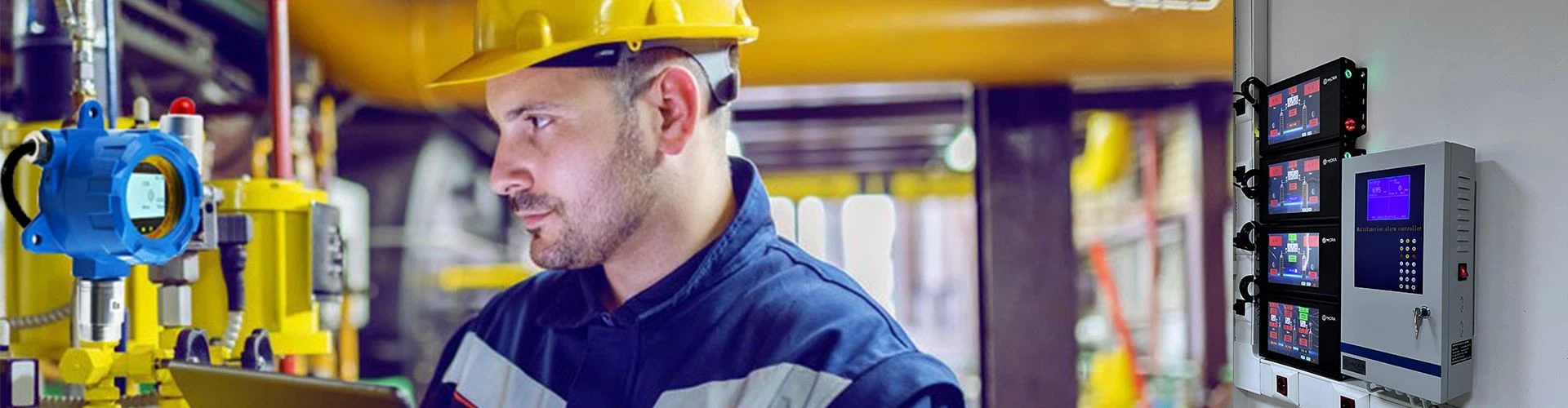


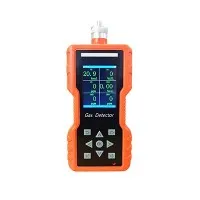


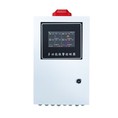

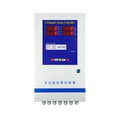
The laboratory specialized wall-mounted gas detector is a reliable and efficient device that serves to monitor the levels of gas in a laboratory. With its precise sensors, the gas detector ensures maximum safety for laboratory personnel and equipment, providing early warnings before a gas leak occurs.
The gas detector has a compact design, making it easy to install and occupy a small space on the wall, saving valuable laboratory space. The device offers a variety of detection sensors, including combustible gas, oxygen, and toxic gas, catering to different laboratory requirements. The gas detector's sensors are highly responsive and accurate, eliminating any guesswork and ensuring that the laboratory operates in a safe environment.
Common laboratory gases include high-purity gases used in precision analytical instruments, experimental gases used in chemical reaction experiments (such as chlorine) and auxiliary gases. Experimental gas, compressed air, gas chromatography, GC, atomic absorption, ICP and other precision instruments used in high purity gases are mainly. Non-flammable gases (nitrogen, carbon dioxide), inert gases (argon, helium), flammable gases (hydrogen, acetylene), combustion-supporting gases (oxygen) and so on. Laboratory gas is mainly supplied by gas cylinders, and individual gases can be supplied by gas generators.Chlorine gas mainly poisons people through the respiratory tract and skin and mucous membranes. After inhalation, it immediately causes symptoms of mucosal irritation such as cough, shortness of breath, chest tightness, nasal congestion, and tears. In severe cases, bronchitis, chemical pneumonia and toxic pulmonary edema may occur. Methanol poisoning through respiratory tract and skin absorption. Inhalation poisoning damages the nervous system and causes optic nerve disease. Poisoning caused nausea, vomiting, body blue, heavy people soon stopped breathing and died.
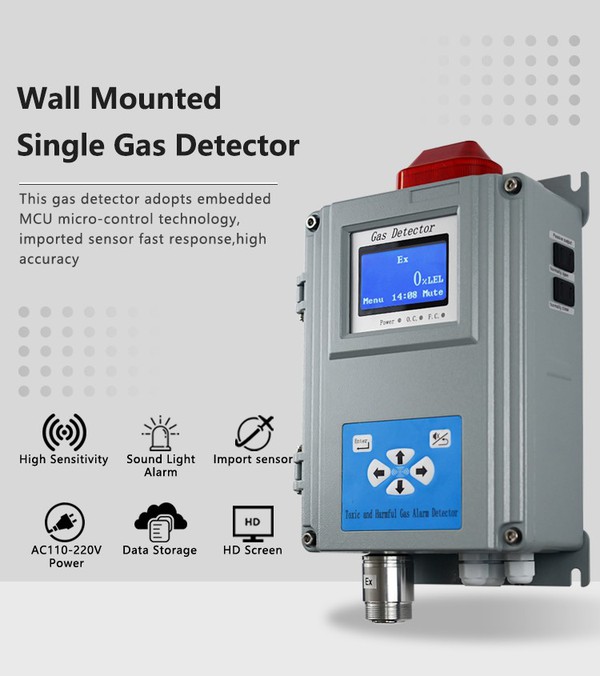
The device also has an alarm system that notifies laboratory staff of any impending danger or gas buildup. The alarms are audible and visual and provide an immediate warning of any gas presence, allowing the staff to take the proper actions, ensuring the safety of everyone in the laboratory.
The laboratory specialized wall-mounted gas detector is durable and long-lasting, guaranteeing reliable monitoring consistently. The device is easy to maintain and operate, offering an intelligent control system that simplifies the operation of the device, which saves laboratory time and reduces costly downtime.
In conclusion, the laboratory specialized wall-mounted gas detector provides maximum safety for laboratory personnel and equipment, and its reliable and efficient operation ensures the laboratory runs smoothly. With the device in place, laboratory workers can carry out their tasks with peace of mind, and equipment can operate without any gas-related issues. Ultimately, it is an essential tool for any laboratory seeking the optimal safety standards for gas detection.