






1.Core Gas Detection Requirements
Common Target Gases
Toxic Gases: Hydrogen Sulfide (H2S), Carbon Monoxide (CO), Ammonia (NH3), Sulfur Dioxide (SO2), etc.
Combustible Gases: Methane (CH4), Biogas, etc.
Oxygen Concentration: Monitor whether oxygen is insufficient (<19.5%) or enriched (>23.5%).
Multi-Gas Detection Requirements
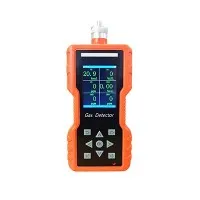
It is recommended to use a portable 4-in-1 gas detector or a 6-in-1 gas detector to cover the main risks.
The 4-in-1 gas detector can detect combustible gas (EX), H2S, CO, and O2 at the same time.
The 6-in-1 gas detector can detect combustible gas (EX), H2S, CO, O2, NH3, and SO2 at the same time.
2.Instrument performance and technical indicators
Sensor type
Electrochemical sensor: Applicable to toxic gases such as H2S and CO, with high sensitivity and strong stability.
Catalytic combustion/infrared sensor: Used to detect combustible gases such as methane, with good anti-interference ability.
Sensitivity and alarm threshold
The combustible gas alarm threshold needs to be set to 25%-50% of LEL (lower explosion limit).
Toxic gases (such as H2S) must comply with occupational exposure limit standards (such as 10ppm threshold).
Protection level
The sewer environment is humid, and instruments with a waterproof and dustproof level ≥IP65 need to be selected.
3.Equipment type and applicable scenarios
Portable detector
Applicable toquick screening before operation andreal-time monitoring during operation, and it needs to be light and easy to carry.
Preferably choose models with built-in sampling pumps, which can actively extract gas samples (such as the top and bottom of a confined space).
You can also choose a free diffusion detector with an external pump.
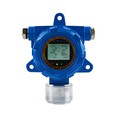
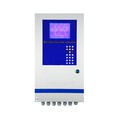
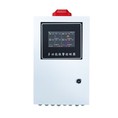
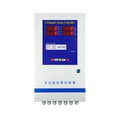
Fixed detectors
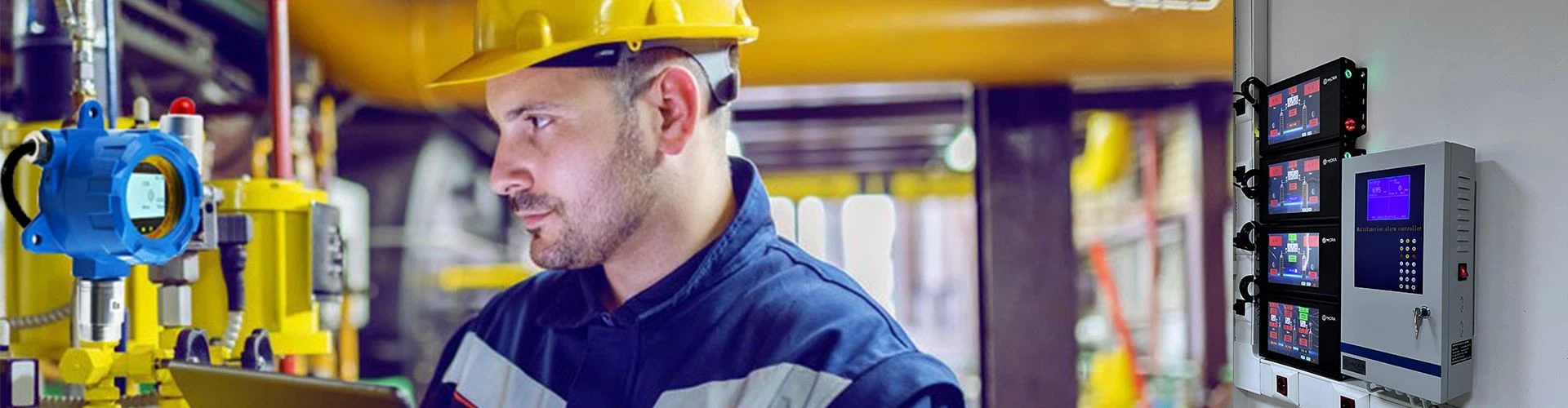
Installed at key points in the sewer (such as entrances and areas prone to accumulation) for long-term continuous monitoring.
Requires explosion-proof design and remote alarm function.

4.Other key considerations
Data recording and alarm function
Supports real-time data storage, peak value recording and sound, light and vibration alarm.
Battery life and maintenance
Portable devices need to last ≥ 12 hours and support fast charging or battery replacement.
Calibrate sensors regularly and choose brands with perfect after-sales service.
5.Typical application scenarios
Detection before entering the sewer
Use a pump-type four-in-one detector to detect gas layers at different heights in the well (such as methane at the top and H2S at the bottom).
Continuous monitoring during operation
Staff carry portable detectors with them to monitor gas concentration changes in real time.
6.Recommended model examples
4 gas monitor with pump: supports EX, H2S, CO, O2 detection, protection level IP66, built-in sampling pump, recommended model: HFP-0401(BX)
6-in-1 free diffusion detector: supports EX, H2S, CO, O2, NH3, SO2 detection, plus external pump, recommended models: HFP-0401(A) and HFP-BX.
Explosion-proof fixed detector: suitable for long-term monitoring of methane and hydrogen sulfide, linked ventilation system, recommended model: HTF-XX series
By integrating sensor technology, scene adaptability and safety standards, choosing a suitable detector can effectively prevent accidents such as poisoning and explosion, and ensure operational safety.