






Carbon dioxide comes from a wide range of sources, but is usually recovered from industrial waste gases of varying purity. Most of it is produced in syngas plants, such as ammonia/hydrogen production plants, breweries through fermentation processes, or, at a lower level, during the combustion of fossil fuels such as natural gas.
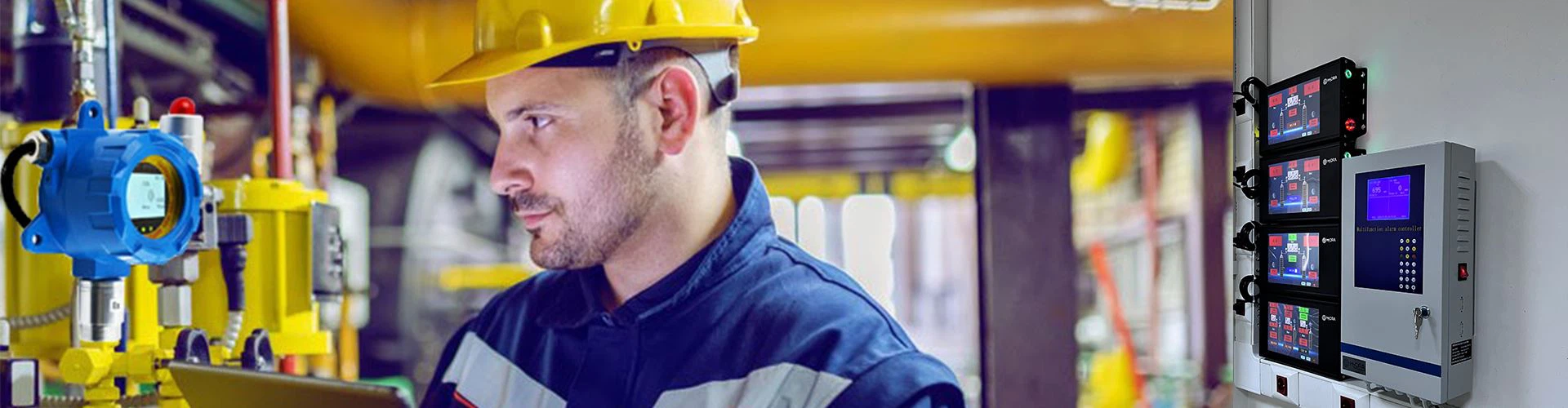
When it comes to hazardous gas detection, the first thing that comes to mind is industrial sites such as chemical plants, oil storage tanks, and coal mines. Indeed, the above sites are prone to produce a variety of toxic and harmful gases. In fact, other industries, such as food and beverage industries, also face the potential risk of hazardous gases. Food and beverages are very likely to produce or even require specific gases during processing and production, which may cause harm to the human body. Therefore, a CO2 gas detector is needed.
About Carbon Dioxide Gas People generally lack sufficient knowledge about the hazards of carbon dioxide (CO2) and the problems it causes to workers and customers.
Carbon dioxide has a wide range of uses and is a common gas in the food and beverage industry. It can be used in carbonated beverages, or in the form of dry ice in the cold chain of food transportation, and can even be released by fermentation products such as yeast.
At first glance, carbon dioxide seems harmless and closely related to our life activities. After all, we exhale carbon dioxide every time we breathe, and plants cannot survive without carbon dioxide. The presence of carbon dioxide itself is not necessarily a problem, but the carbon dioxide content in certain environments can reach harmful levels.

Carbon dioxide is colorless and odorless, heavier than air, it can replace oxygen, and high concentrations can cause suffocation. In the case of a carbon dioxide leak, it is easy to reach high concentrations quickly, especially in confined spaces such as storage tanks or cellars. Early symptoms of exposure to high concentrations of carbon dioxide include dizziness, headaches, confusion and coma.
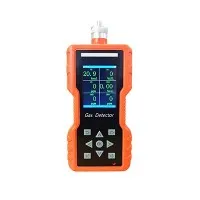
Carbon dioxide leaks and deaths have indeed occurred in the food and beverage industry. Without the right detection methods, everyone in the facility may be at risk. Therefore, the food industry also needs to install CO2 gas detectors to ensure gas safety in the working environment.
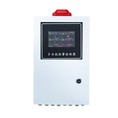
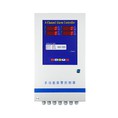
Fixed CO2 leak detectors can effectively detect the CO2 concentration on site 24 hours a day. If the leakage reaches a certain danger, an alarm will be triggered and other devices, such as exhaust hoods and solenoid valves, will be linked to reduce the CO2 concentration on site or exhaust the gas to avoid poisoning casualties.