

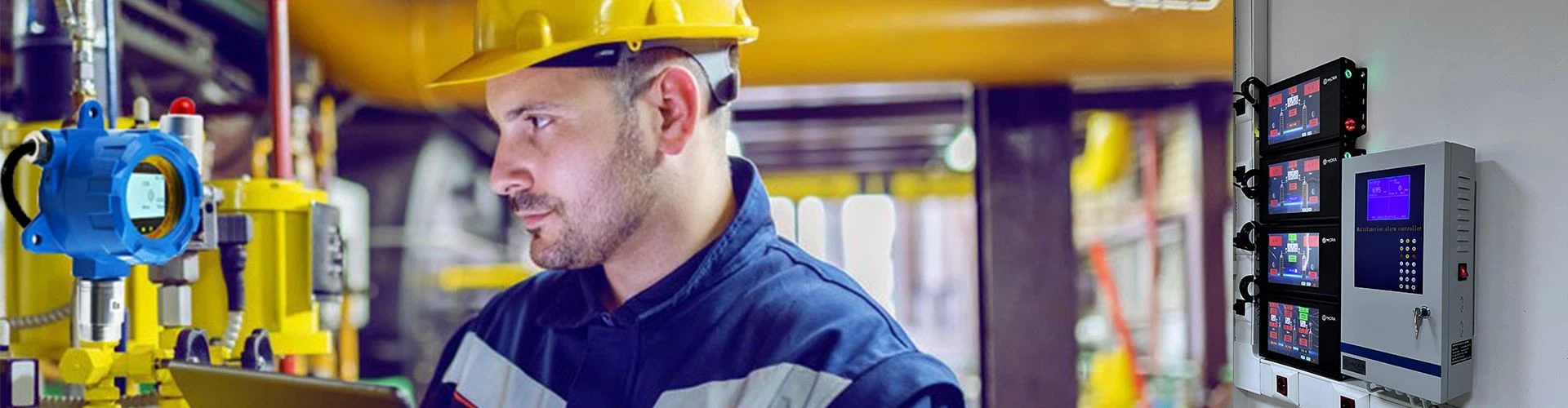


Portable H2S detectors play a crucial role in ensuring the safety of workers in various industries where exposure to hydrogen sulfide (H2S) gas is a potential hazard. These devices are designed to detect and measure the concentration of H2S in the air, providing timely warnings to prevent gas-related incidents. To understand how portable H2S gas detectors work, it's essential to delve into the underlying science and technology that powers these life-saving devices.
H2S Detection Methods:
Portable H2S alarms employ various methods to detect and quantify H2S gas. The most common detection methods include:
Electrochemical Sensors:
Electrochemical sensors are the workhorses of portable H2S detectors. They consist of an electrolyte and electrodes. When H2S gas comes into contact with the sensor, it undergoes a chemical reaction at the electrode, resulting in a measurable electrical current.
The strength of this current is directly proportional to the concentration of H2S in the air, allowing the detector to provide accurate readings.
Solid-State Sensors:
Solid-state sensors use semiconductor materials that interact with H2S gas to change their electrical conductivity. The alteration in conductivity is then converted into a gas concentration reading.
These sensors are known for their speed and stability, making them suitable for portable detectors.
Colorimetric Tubes:
Colorimetric tubes contain a reagent that changes color in the presence of H2S gas. The concentration of H2S is determined by comparing the resulting color change with a calibrated scale.
This method is often used for quick, on-the-spot assessments of H2S levels but may not be as precise as other detection methods.

How the H2S gas Detector operates:
Portable H2S detectors are designed to be user-friendly, reliable, and efficient. Here's a basic overview of how they work:
Gas Sampling:
To detect H2S, these devices take in a sample of the surrounding air. This sample is then brought into contact with the H2S sensor or detection mechanism.
Gas Interaction:
When H2S gas molecules interact with the sensor or detection mechanism, they cause a change in their properties, which is unique to the specific detection method used (e.g., electrical current in electrochemical sensors, conductivity in solid-state sensors, or color change in colorimetric tubes).
Signal Processing:
The detector processes the sensor's response, converting it into a concentration reading. This reading is then displayed on the device's screen or output through alarms and indicators.
Alarming:
If the H2S concentration exceeds a pre-set threshold, the portable detector activates alarms, which can include audible alarms, visual indicators, and vibrating alerts. These alarms warn the user of potential danger, allowing them to take appropriate action, such as evacuating the area or donning protective gear.
Portable H2S detectors are essential tools in industries where workers face the risk of hydrogen sulfide exposure. By employing various detection methods such as electrochemical sensors, solid-state sensors, and colorimetric tubes, these devices can accurately and rapidly assess H2S concentrations in the air. The underlying science and technology of these detectors make them invaluable for safeguarding the well-being of workers, ensuring they can respond promptly and effectively to H2S gas hazards. In hazardous environments, understanding how portable H2S gas detectors work is not only a matter of safety but also a testament to the innovative advancements that enable the protection of human lives.