

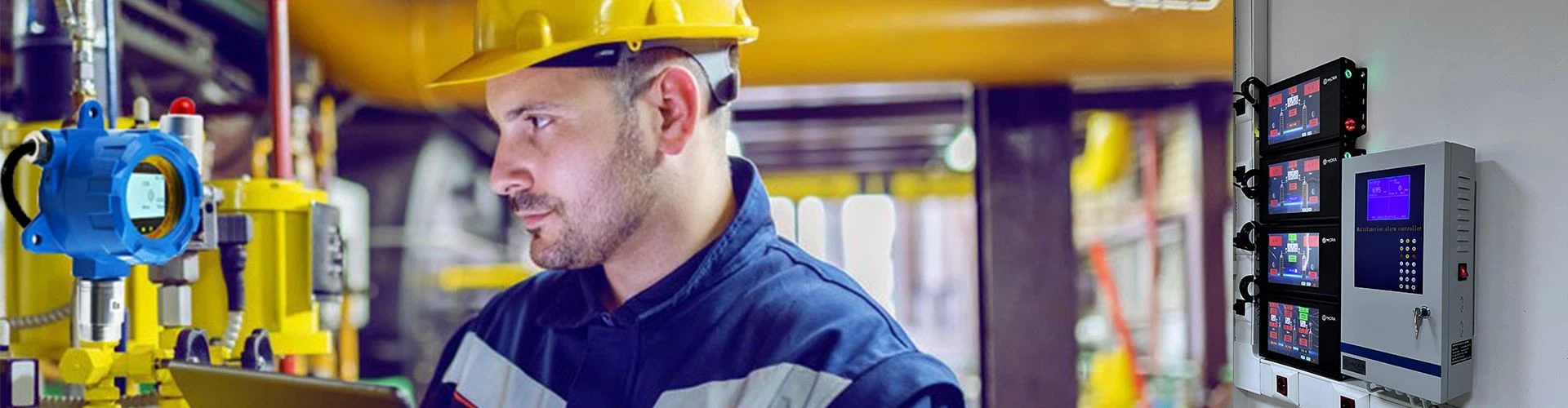


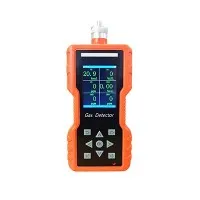


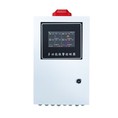

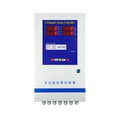
Methane gas detectors play a crucial role in safeguarding lives and property by warning of the presence of this colorless, odorless, and highly flammable gas. When it comes to choosing the right CH4 gas detector for your specific needs, there are several key features that you should consider.
Sensitivity and Detection Range:
The sensitivity of it is perhaps the most critical factor to consider. It determines how effectively the device can detect low concentrations of methane gas. Methane detectors should be able to detect even the slightest presence of methane in the air to ensure early warnings and prevent accidents. Look for detectors that offer a wide detection range, from trace levels to higher concentrations.
Response Time:
A fast response time is vital in these gas detectors, especially in situations where rapid changes in methane concentration can occur. The response time is the duration it takes for the detector to signal an alarm once it detects a hazardous concentration of methane. In applications where immediate action is required, such as in industrial settings, a detector with a quick response time is essential for ensuring safety.

Accuracy and False Alarm Rate:
The accuracy of a methane gas detector is crucial in minimizing false alarms. High-quality detectors are designed to provide accurate readings and minimize the likelihood of false positives or false negatives. False alarms can lead to unnecessary evacuations, downtime, and increased maintenance costs. Look for detectors with a low false alarm rate and a proven track record of accuracy.
Gas Sensor Technology:
CH4 gas detectors use different sensor technologies, such as catalytic bead, infrared, or semiconductor sensors. The choice of sensor technology can significantly impact the detector's performance, durability, and maintenance requirements. For example, infrared sensors are known for their long lifespan and resistance to poisoning, making them suitable for long-term use in challenging environments. Consider the specific requirements of your application and select the sensor technology that best suits your needs.
Data Logging and Connectivity:
Modern gas detectors often come equipped with data logging and connectivity features. Data logging allows you to record and track methane concentration levels over time, which can be invaluable for safety assessments, compliance reporting, and trend analysis. Connectivity features, such as Bluetooth or Wi-Fi, enable remote monitoring and control of the detector. This is particularly useful in situations where detectors are placed in hard-to-reach or hazardous locations. Ensure the detector you choose offers the data storage and connectivity options that align with your monitoring and reporting requirements.
Selecting the right CH4 gas detector is a critical decision to ensure safety in various environments, including industrial, residential, and commercial settings. When evaluating different models, prioritize features such as sensitivity, response time, accuracy, sensor technology, and data logging/connectivity capabilities. By considering these key features, you can make an informed choice and invest in a methane gas detector that meets your specific needs while helping to prevent methane-related accidents and incidents. Remember that safety should always be the top priority, and choosing a reliable one is a fundamental step in achieving that goal.