





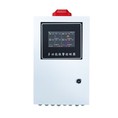

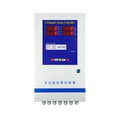
When it comes to selecting an ozone gas analyzer, making an informed decision is crucial for accurate and reliable measurements. Ozone gas analyzers play a pivotal role in various industries, from environmental monitoring to industrial processes. To ensure that you invest in the right equipment, here are the top 10 features to consider when choosing an ozone gas analyzer:
1. Measurement Range:
A crucial aspect is the measurement range of the analyzer. Different applications may require varying levels of ozone detection. Ensure the selected analyzer covers the range relevant to your specific needs, whether it's ambient air monitoring or high-concentration industrial processes.
2. Accuracy and Precision:
Accurate measurements are paramount. Look for analyzers with high precision and accuracy, as even minor deviations can impact the reliability of your data. Certifications and adherence to industry standards can provide assurance in this regard.
3. Response Time:
In time-sensitive applications, the response time of the analyzer is vital. Faster response times allow for quick detection of changes in ozone levels, ensuring timely corrective actions.
4. Sensitivity:
The sensitivity of an ozone gas analyzer determines its ability to detect low concentrations. Opt for a model that offers high sensitivity, especially if your application involves monitoring ambient air quality where ozone levels may be relatively low.
5. Calibration Options:
Regular calibration is essential for maintaining accuracy over time. Choose an analyzer that offers easy and reliable calibration options. Some analyzers may have automatic calibration features, simplifying the maintenance process.

6. Data Logging and Storage:
The ability to log and store data is crucial for long-term analysis and compliance reporting. Look for analyzers that provide sufficient data storage capacity and user-friendly interfaces for data retrieval.
7. Portability and Form Factor:
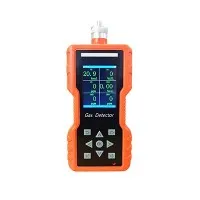
Consider the physical design and portability of the analyzer, especially if you require mobility in your applications. Portable analyzers with a compact design can be advantageous for fieldwork and on-site monitoring.
8. Integration Capabilities:
For a streamlined workflow, check if the ozone gas analyzer can integrate with other monitoring systems or data logging platforms. Integration capabilities enhance the analyzer's functionality within a larger network of environmental or industrial monitoring equipment.
9. User Interface and Ease of Use:
A user-friendly interface is essential for efficient operation. Look for analyzers with intuitive controls, easy-to-read displays, and straightforward menu navigation. Training requirements can be reduced with user-friendly interfaces.
10. Power Options and Durability:
Consider the power requirements of the analyzer and whether it aligns with your operational needs. Additionally, assess the overall durability of the device, especially if it will be used in challenging environments. A rugged design can ensure longevity and reliability.
Selecting the right ozone gas analyzer involves a careful consideration of various features to meet the specific demands of your application. Whether it's accuracy, response time, or integration capabilities, a thorough evaluation will help you make an informed decision and ensure the effectiveness of your ozone monitoring efforts.