

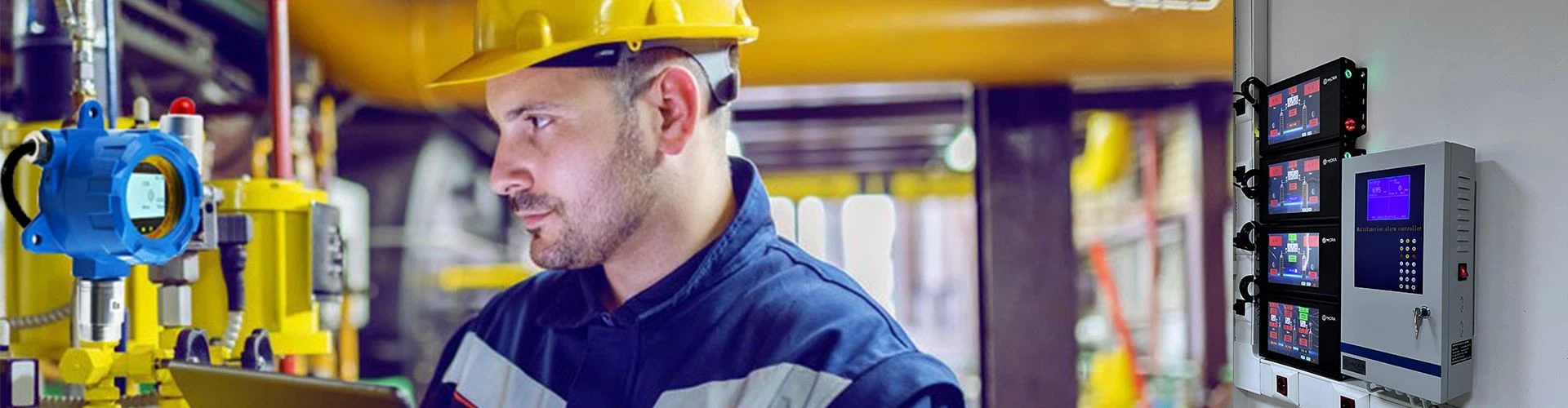





Toxic and harmful gases produced by refineries primarily include hydrogen sulfide, ammonia, benzene compounds, cyanide, methyl mercaptan, carbon disulfide, carbon monoxide, and sulfur dioxide. These gases pose serious risks to human health and the environment.
Hydrogen sulfide (H2S): The occupational exposure limit is 10 mg/m³. High concentrations can cause neurotoxic damage and even be fatal.
Ammonia (NH3): The time-weighted average permissible concentration is 20 mg/m³. It can irritate the eyes and respiratory tract.
Styrene (C8H8): The time-weighted average permissible concentration is 50 mg/m³. Long-term exposure may cause neurasthenia.
Methyl mercaptan: The occupational exposure limit is 1 mg/m³ and is highly toxic.
Carbon disulfide: The time-weighted average permissible concentration is 5 mg/m³ and poses a clear health hazard.
Carbon monoxide (CO): Highly toxic and can cause asphyxiation.
Sulfur dioxide (SO₂): A strong irritant that may cause respiratory damage.
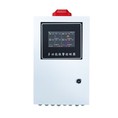
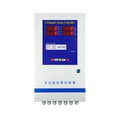
Multiple gas detector can monitor the concentration of these gases in the air in real time. When the concentration exceeds the safety threshold, they will promptly issue an alarm, providing valuable time for staff to take measures and preventing accidents.For instance, a gas leakage incident once occurred at a certain oil refinery. At that time, the gas detector of the factory accurately detected an abnormal increase in the concentration of hydrogen sulfide gas and promptly issued an alarm. The staff immediately activated the emergency response procedure, promptly evacuated the people on the scene, and took measures to seal the leak and ventilators, thus avoiding a possible major accident. This incident fully demonstrates the significant role of gas detectors in ensuring the safety of oil refineries.

Common types of gas detectors in oil refineries are mainly classified into two categories based on their usage methods:
1. Portable gas detector
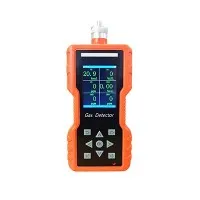
Personal type: Compact and lightweight, it is worn by staff on the body and used for real-time monitoring of gas concentration in the environment where the individual is located, serving as the last line of defense for personal protection.
Pump suction type: Equipped with an internal sampling pump, it can be used in person-to-person testing areas, such as extending into confined Spaces, pipe cracks, sewers, etc. for air extraction detection, with a fast response speed.
Diffusion type: It relies on the natural diffusion of gas for detection and is suitable for environmental monitoring in open areas.
2. Fixed gas detection system
Install in fixed areas where leakage may occur (such as pump areas, compressors, and near storage tanks). It is composed of detection probes, alarm controllers and interlocking devices. Once the gas concentration exceeds the standard, an audible and visual alarm will be issued simultaneously at the site and in the control room, and the interlocking equipment (such as the ventilation system and emergency shut-off valve) can be automatically activated.