

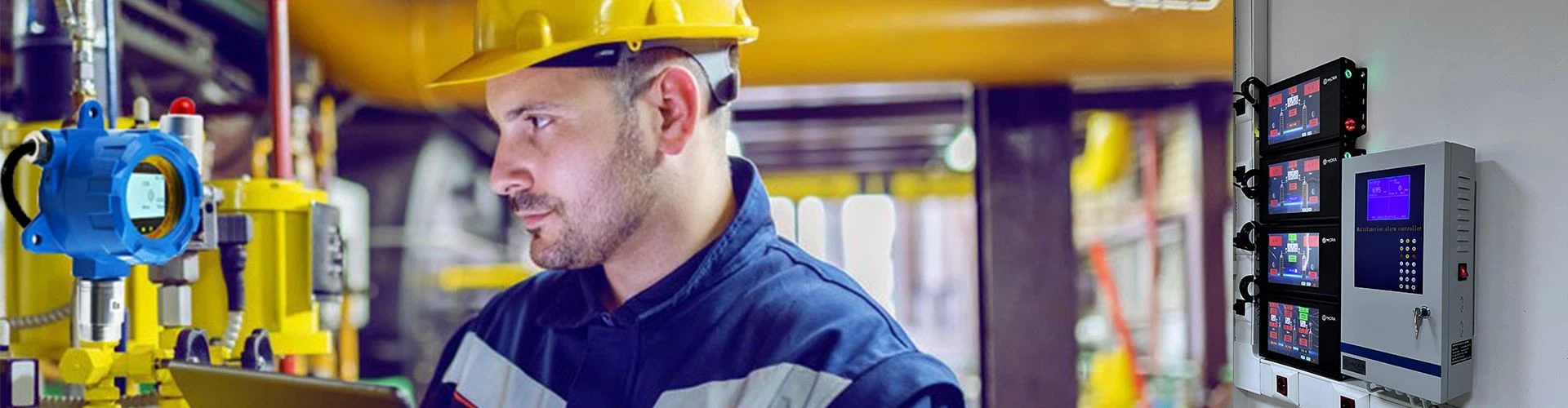






With the development of highway and railway transportation networks, the construction of these networks inevitably involves tunnel excavation. Due to the phenomenon of gas poisoning in tunnels, we must consider the necessity of installing tunnel gas detectors.
1.What gases are produced in tunnels?
Tunnel and pipeline construction inevitably produces some toxic and harmful gases. These gases have always been one of the major hazards during construction. The main toxic and harmful gases in tunnels include methane, carbon monoxide, hydrogen sulfide, carbon dioxide, and trace amounts of nitrogen oxides and VOC gases.
Based on their physicochemical properties, these gases are divided into flammable gases and toxic gases. The main flammable gases in tunnels are methane (CH4) and some volatile organic compounds (VOCs). The main hazard is that if the gas concentration exceeds the limit and encounters an open flame, it will cause an explosion, resulting in huge losses to property and personnel.
The toxic gases in tunnels mainly cause harm to human functions and affect human life safety. These include irritant gases such as chlorine, phosgene, sulfur dioxide, nitrogen oxides, and ammonia. Their characteristic is that they have a strong irritating effect on the skin and mucous membranes, and some are also corrosive. Asphyxiating gases include carbon monoxide, carbon dioxide, and nitrogen. These gases do not have obvious toxic effects on human functions, but they can cause cellular hypoxia, leading to asphyxiation.

2.How to choose a tunnel gas detector?
Based on the above, we find that toxic and harmful gases in tunnels have a significant impact on human health and property. Installing tunnel gas detectors is very necessary.
(1). First, what is these toxic and harmful gases in the tunnel?
Based on historical experience and geographical environment, the most common gases in tunnels are: carbon monoxide, methane, and hydrogen sulfide. These gases include both toxic and flammable/explosive gases, making it easy to determine the type of gas detector needed.some VOC gases.
(2). Choose the type of tunnel gas detector.
Tunnel detection generally uses fixed gas detectors. Methane is a flammable gas, and its explosiveness is the main concern. A flammable gas detector with a unit of LEL (Lower Explosive Limit) can be chosen. This type of detector has a simple principle, is widely used, and has low maintenance costs. There are also toxic gas detectors, such as carbon monoxide detectors and hydrogen sulfide detectors. These detectors are used to detect whether the concentration of toxic gases exceeds safe levels and poses a risk to human health. In addition, an oxygen detector should be selected to ensure that the oxygen concentration in the tunnel is neither too low nor too high.
3.Product Recommendation:
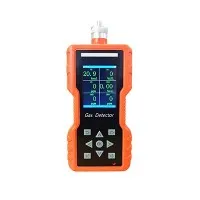
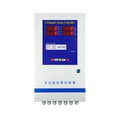
Huafan's independently developed gas monitoring system (gas host + probe) detects gas concentration and can be connected to upper-level computer software and LED large screen display.
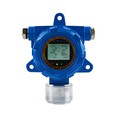
The RS485 Modbus gas detectors and gas alarm controller system uses a non-standard protocol or MODBUS protocol for data acquisition and transmission. Intelligent transmitter nodes collect and detect gas concentration on-site, and the host cyclically monitors each node. Combined with intelligent software, it provides real-time monitoring of on-site gas concentration changes. The intelligent transmitter node also provides a switch output that can control external equipment (such as exhaust fans and solenoid valves). The detector measures gas concentration through natural diffusion, using imported sensors with good sensitivity and excellent repeatability; the gas detector uses embedded microcontroller technology for high reliability.
The detector's casing is made of cast aluminum, providing high strength, temperature resistance, and corrosion resistance. This product is suitable for detecting the concentration of toxic, harmful, flammable, and explosive gases in the ambient air, and is widely used in metallurgy, power plants, chemical plants, mines, tunnels, underground pipelines, and other places, effectively preventing accidents.