







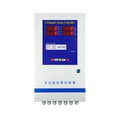
What’s common combustible gases have?
1 liquefied petroleum gas (LPG)
3 gas
4 toluene
5 the gas
6 biogas
7 hydrogen, carbon monoxide, hydrogen sulfide, methane, ethane, propane, ethylene, propylene, acetylene, propiolic can burn in the presence of oxygen
What’s the principle of combustible gas detection ?

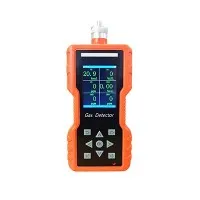
Combustible gas detection is calorific value of C - H chain, detection is a mixture, by using the theory most of semiconductor, and the principle of infrared;Toxicity detector has good selectivity, in view of the single gas, such as carbon monoxide, hydrogen sulfide, etc., usually electrochemical sensor.We use the catalytic combustion type sensor, combustible gas detector is the commonly used sensor types, its working principle is based on the structure of a wheatstone bridge.In its measuring bridge with catalytic material, it is not consumed in the whole measurement process.Even in the air, gas and vapor concentration is much lower than LEL (explosion concentration limit),they also catalytic combustion reaction on the bridge.Measurement, in terms of reference and measuring bridge voltage heating and catalytic reaction, the temperature is about 500 ℃ or higher.Under normal circumstances, a bridge is balanced, V1 = V2, the output is zero.If there is a flammable gas, its oxidation process (flameless combustion) can make the measuring bridge is heated, the temperature increase, while the constant temperature reference bridge.Circuit can measure the resistance between them, the V2 > V1, the output voltage is directly proportional to the concentration of the gas under test.
Where does the gas detectors need?
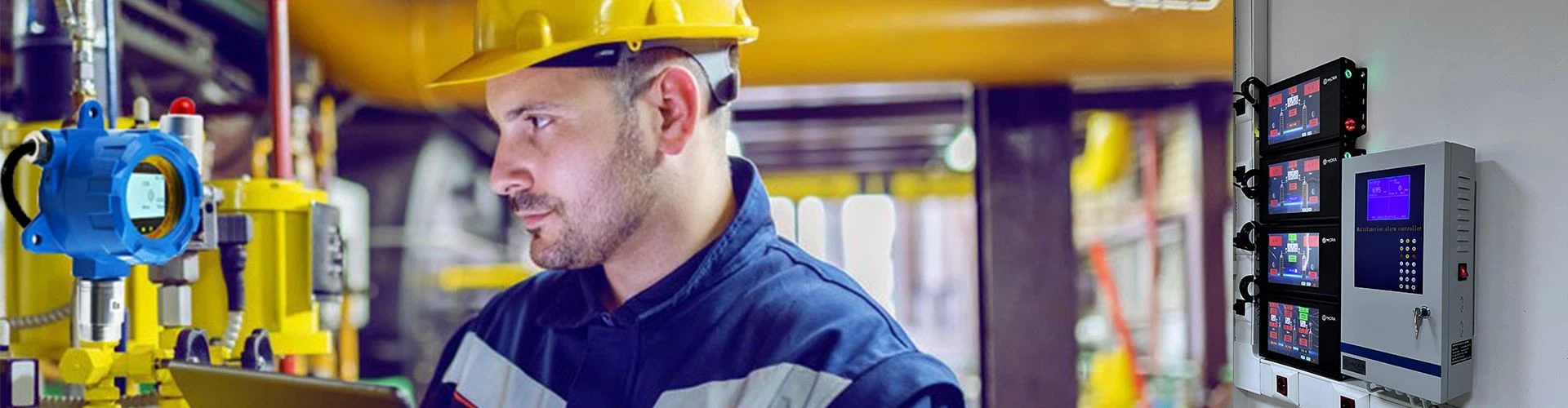
For example, power plants, chemical plants, mines, tunnels, ships, restaurants, and the place of any other may have a combustible gas leakage.


CONTACT US
Email:dianna@huafankj.com