

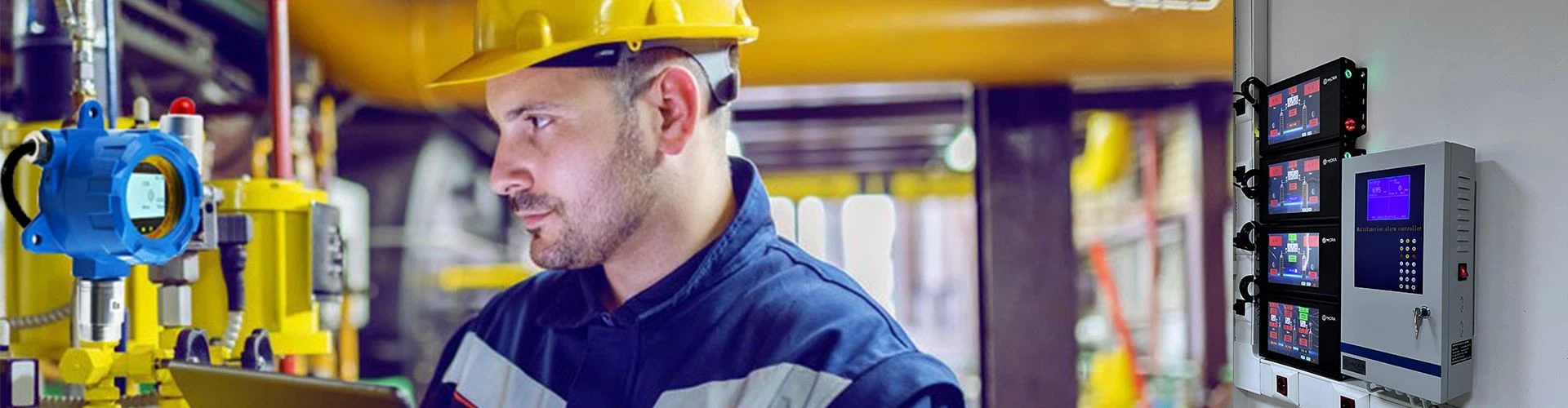


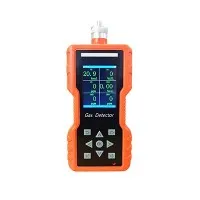


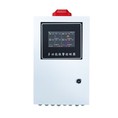

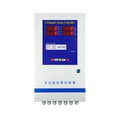
The differences, installation requirements, and advantages and disadvantages of wireless gas detectors and wired gas detectors are as follows:
1. Connection method:
(1). Wireless gas detector: Connected to the control system or monitoring equipment through wireless communication technology. Common wireless communication technologies include ZigBee, Wi-Fi, Bluetooth, etc. Easy and quick installation, no wiring required
(2). Wired gas detector: Connected to the control system or monitoring equipment through cables. The wiring work is more complicated and requires wall penetration, trench digging, etc.
2. Data transmission:
(1). Wireless gas detector: The signal is easily interfered by the outside world. The transmission distance is generally between tens of meters and hundreds of meters. It is suitable for occasions with high flexibility requirements. Relay equipment or gateway is required for long-distance transmission.
(2). Wired gas detector: stable and reliable data transmission, less affected by external interference, fast transmission speed, suitable for occasions with high requirements for data transmission stability.
3. Installation requirements
The following points should be noted when installing a wireless gas detector:
(1).Installation location selection: The wireless gas detector should be installed in areas where gas leaks may occur, such as storage tanks, pipeline interfaces, chemical storage areas, etc. The installation location should ensure that the device can contact the gas to be measured and avoid being affected by steam, oil smoke, water vapor or water droplets.
(2). Environmental conditions: The installation location should avoid places with high or low temperatures (such as below -20℃ or above 50℃), places with large air flow (such as ventilation fans, near doors), strong electromagnetic field interference, etc., to ensure normal operation and accurate measurement of the equipment.
(3). Installation method: Wireless gas detectors usually transmit data to the host control box wirelessly, so it is necessary to ensure that the communication between the probe and the control box is unobstructed. The probe should be installed in a place that is easy to inspect and has no impact or vibration.
(4). Wiring and power supply: Although wireless gas detectors do not require wiring, their probes usually need to be powered nearby. Ensure that the power supply is stable and reliable to avoid the equipment not working properly due to power supply problems.
(5). Regular maintenance and overhaul: After installation, regular maintenance and overhaul are the key to ensure the long-term stable operation of the gas detector. Develop a maintenance plan and conduct regular inspections and calibrations to ensure the accuracy and reliability of the equipment.
4. The following points should be noted when installing the wired gas detector:
(1). Installation location selection: The gas detector should be installed in areas where gas leakage or accumulation may occur, such as storage tanks, pipeline interfaces, chemical storage areas, etc. The detector should be installed 30 to 60 cm from the ceiling to avoid ineffective detection when the specific gravity of the measured gas is less than that of air.
(2). Environmental condition assessment: Before installation, the environmental conditions need to be assessed to ensure that the temperature is between -20-50 degrees, the humidity does not exceed 90%, there is no condensation, and the pressure is within 100kp. Avoid installation in high temperature and high humidity environments, ensure that there are no obstructions around the equipment, good ventilation, and no direct sunlight.
(3). Fixing and grounding: The gas detector should be firmly installed in a place without impact, vibration, and strong electromagnetic field interference. The housing of the fixed gas detector alarm should be grounded, and the ground wire of the power plug should also be grounded to ensure safety.
(4). Wiring method: Use highly shielded wires when wiring to prevent electrical signals from being interfered with. Connect the positive pole of the power supply, the signal line, and the negative pole of the power supply to the corresponding terminals respectively to ensure that the housing is well grounded. After the wiring is completed, power the detector and debug the probe.
(5). Maintenance and calibration: Regular maintenance and overhaul are the key to ensuring the long-term stable operation of the gas detector. A maintenance plan should be formulated and calibrated at least once a year to ensure detection accuracy.
5. Advantages and Disadvantages:
(1). Wireless gas detector :
Advantages: Low overall cost, easy installation and maintenance, flexible transmission networking, good scalability
Applicable to outdoor places with long distance and well-decorated, especially in places with complex geographical environment or frequent adjustment of monitoring points
Disadvantages: Signals are easily interfered by the outside world, transmission distance is limited, and relay equipment or gateways are required for long-distance transmission
(2). Wired gas detector :
Advantages: Stable and reliable data transmission, less interference from the outside world, fast transmission speed
Applicable to places with high requirements for data transmission stability
Disadvantages: High installation and maintenance costs, complex wiring work, poor flexibility