


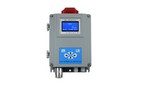
The range of gas detectors available from Thorne & Derrick are either fixed or portable with both types having different benefits and features. The selection of the correct gas detection equipment is vital in order to provide an adequate level of protection and comply with safety regulations.
By deploying portable or fixed gas detectors, companies can ensure the safety of their workforce, prevent unnecessary damage to their equipment and reduce any downtime.
Put simply, fixed gas detectors protect plant; portable gas monitors protect people.
Portable Gas Detectors – these monitors are usually clipped or attached to clothing/overalls providing close detection of gases (single and multi-gas) and can be moved between zones. Portable gas detectors are extremely portable and can be calibrated to detect a range of flammable, toxic and hazardous gases.
Fixed Gas Detectors – fixed or stationary gas detectors are designed to be permanently attached to a working area and will typically be hard wired into mains electricity to provide 24 hour protection and detection of gases.
PORTABLE GAS DETECTORS
Portable gas detectors are typically smaller, handheld devices that provide gas detection in smaller locations and are often used in confined spaces or working areas – mobile, transferable and transportable.
Portable gas detectors are compact, handheld monitors used for testing an atmosphere in a confined space before entry, for tracing gas leaks or to give an early warning of the presence of flammable gas or vapour when hot work is being carried out in a hazardous area.
There are many commonly occurring gases that can cause a threat to life and infrastructure including carbon dioxide, methane, sulphur dioxide, hydrogen sulphide, copper sulphate and carbon monoxide. These gases have varying effects on the human body where some are undetectable by humans as they are odourless and colourless, others can have devastating effects within seconds and must therefore be detected immediately.
WHAT’S A CONFINED SPACE?
The UK HSE defines a confined space as ‘any place, including any chamber, tank, vat, silo, pit, trench, pipe, sewer, flue, well or other similar space in which, by virtue of its enclosed nature, there arises a reasonably foreseeable risk.’
Crowcon Gas-Pro is a confined space entry monitoring solution for workers and fleet managers.
Gas Detectors: Crowcon Gas-Pro protects confined space workers detecting 5 gases including potentially explosive gas in low oxygen atmospheres.
FIXED GAS DETECTORS
Fixed gas detectors are permanent, stationary installations and provide continuous monitoring of a location, plant and equipment. They give early indication of the presence of hazardous, flammable or toxic gases/vapours and are fixed (“hard wired”) into a mains electricity supply to provide constant, round-the-clock protection.
A fixed gas detector is permanently installed in a selected location to provide continuous monitoring for gas leaks on plant and equipment. The gas detector provides early warning of flammable or toxic gas leaks, or for monitoring concentrations of gases and vapours within the plant including potentially explosive atmospheres, such as Zone 1 and Zone 2 hazardous areas.
Fixed gas detectors are commonly specified for monitoring gas leaks in confined spaces where flammable gases accumulate – this includes SF6 gas detection for high voltage GIS (Gas Insulated Switchgear) applications.