

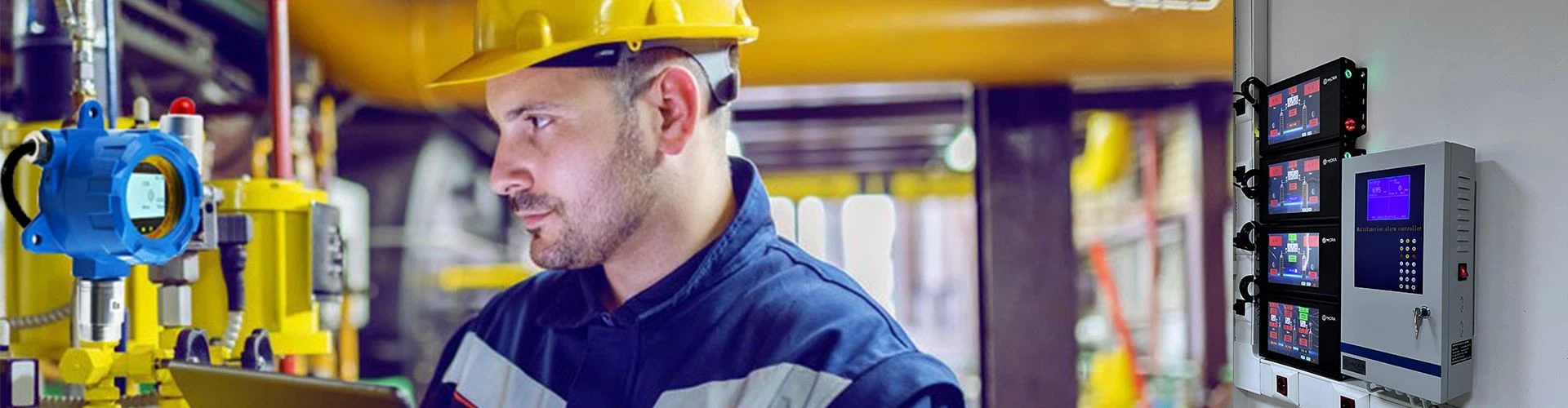





In the dynamic landscape of industrial processes, ensuring the health and safety of workers is paramount. One crucial element that directly impacts both occupational safety and environmental sustainability is air quality. Ozone detection sensors, once relegated to basic air monitoring, have evolved into sophisticated tools with advanced applications that play a pivotal role in industrial settings.
Industries, ranging from manufacturing to petrochemicals, are increasingly turning to ozone detection sensors for real-time monitoring and control of air quality. These sensors have moved beyond mere compliance tools to become integral components in maintaining a healthy and safe work environment.
One key application of ozone detection sensors in industrial settings is the prevention of workplace hazards. Ozone, a known respiratory irritant, can pose significant risks to workers when present in excessive concentrations. Advanced sensors can now detect and quantify ozone levels in real time, providing immediate alerts when concentrations surpass predefined thresholds. This capability allows for rapid response measures, such as ventilation adjustments or personnel evacuation, preventing potential health issues and ensuring worker well-being.
Moreover, in industries where the production processes involve the emission of ozone as a byproduct, monitoring and controlling these emissions are critical. Ozone detection sensors aid in optimizing manufacturing processes to minimize ozone release, contributing to both environmental protection and regulatory compliance. This not only aligns with sustainability goals but also mitigates potential legal and financial repercussions associated with non-compliance.

In the context of indoor air quality, certain industrial facilities face challenges due to confined spaces and complex ventilation systems. Advanced ozone detection sensors are designed to function seamlessly in such environments, offering precise measurements even in challenging conditions. This ensures that workers are protected from exposure to harmful ozone levels, especially in areas where natural ventilation may be limited.
Additionally, the integration of ozone detection sensors with industrial automation systems has enhanced the efficiency of air quality management. These sensors can be linked to centralized control systems, allowing for real-time adjustments based on the detected ozone levels. Automated responses, such as activating air purification systems or adjusting manufacturing processes, contribute to a more responsive and adaptive industrial ecosystem.
The role of ozone detection sensors extends beyond immediate safety concerns; they also contribute to long-term environmental sustainability. By providing accurate data on ozone emissions, industries can implement proactive measures to reduce their environmental footprint. This aligns with global efforts to promote cleaner production practices and sustainable industrial development.
The advanced applications of ozone detection sensors in industrial settings have transformed these devices from passive monitors to active contributors to workplace safety, environmental sustainability, and regulatory compliance. As industries continue to prioritize health, safety, and environmental responsibility, the role of ozone detection sensors will likely expand, ushering in a new era of smart and sustainable industrial practices.