

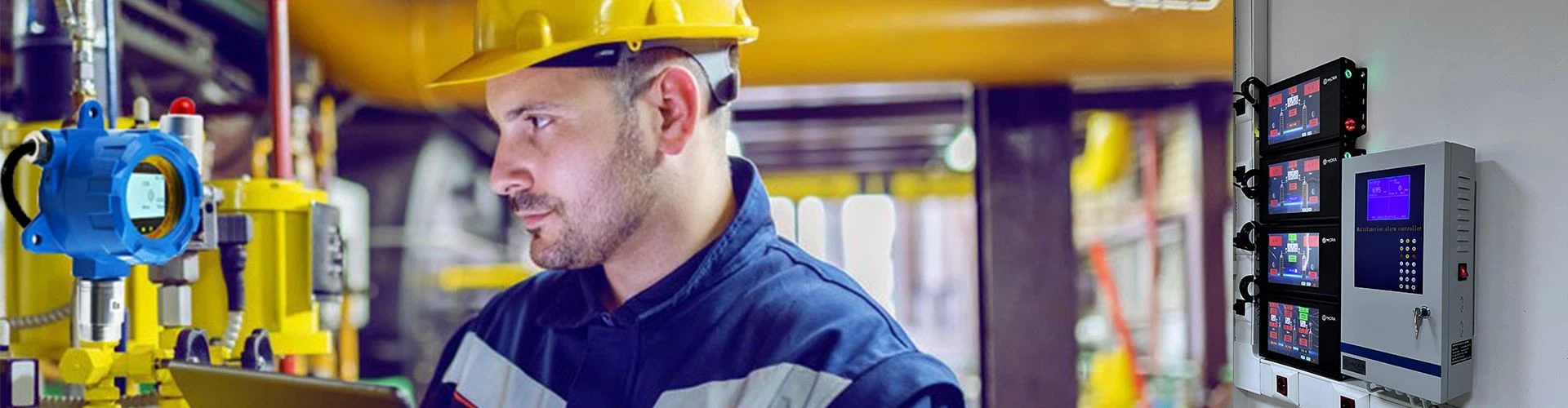


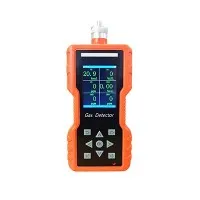


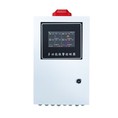

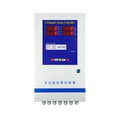
The effective use of LPG (liquefied petroleum gas) gas detector alarms is influenced by various factors that contribute to their performance and reliability. Here are several key factors that can affect the use of LPG gas detector alarms:
1). Sensor Sensitivity:
The sensitivity of the gas detector's sensors is a critical factor. Sensors should be capable of detecting even low concentrations of LPG to provide early warnings.
Regular calibration of sensors is essential to maintain accurate sensitivity levels.
2). Gas Composition:
LPG is a mixture of propane and butane. The gas detector must be designed to effectively detect both components.
Different brands and models of detectors may vary in their ability to detect specific gas compositions. It is crucial to choose a detector suitable for the LPG type being used.
3). Installation Location:
Proper placement of gas detectors is vital for their effectiveness. Install detectors near potential sources of gas leaks, such as gas appliances, kitchens, and storage areas.
Consider the airflow patterns in the area, as detectors should be strategically located to quickly detect and respond to gas leaks.
4). Ventilation and Airflow:
Adequate ventilation is essential for the proper functioning of gas detectors. Good airflow helps disperse leaked gas, allowing the sensors to detect it more effectively.
Ensure that ventilation systems are not obstructed, and detectors are not placed in dead air spaces.

5). Environmental Conditions:
Environmental factors, such as temperature and humidity, can impact the performance of gas detectors. Some detectors may have operating temperature and humidity ranges that need to be considered.
Extreme conditions, such as high humidity or very low temperatures, might affect sensor accuracy.
6). Power Supply and Backup:
Continuous and stable power is crucial for gas detectors. Ensure that the detectors are connected to a reliable power source.
Battery backup or alternative power sources should be in place to ensure functionality during power outages.
7). Maintenance and Calibration:
Regular maintenance and calibration are essential for the long-term reliability of gas detectors. Over time, sensors may degrade, affecting their sensitivity.
Establish a maintenance schedule to replace sensors and calibrate the detector according to the manufacturer's recommendations.
8). False Alarm Prevention:
False alarms can lead to complacency and reduce the effectiveness of gas detectors. Ensure that the detector is set to trigger an alarm only in the presence of actual gas leaks.
Proper calibration, regular maintenance, and sensitivity adjustments can help minimize false alarms.
9). Compliance with Standards:
Gas detectors should meet relevant safety standards and certifications. Ensure that the chosen detector complies with industry regulations and local safety codes.
Regularly check for updates to safety standards and upgrade detectors accordingly.
10). User Awareness and Training:
Users should be aware of the importance of gas detector alarms and how to respond in case of an alert.
Training programs can educate users about the proper use of gas detectors, emergency procedures, and the significance of addressing gas leaks promptly.
The effectiveness of LPG gas detector alarms depends on a combination of factors, including sensor sensitivity, installation location, environmental conditions, maintenance, and user awareness. Regular attention to these factors ensures that gas detectors provide reliable and timely warnings, helping to prevent potential hazards associated with LPG leaks.