










Both Cl2 and ClO2 can be used to disinfect tap water. The organic chloride generated when Cl2 is used as a disinfectant may be harmful to the human body. ClO2 is listed as a Class A high-efficiency and safe sterilization disinfectant by the World Health Organization (WHO) and will gradually replace Cl2 as a disinfectant for tap water.
The use of chlorine in water plants is one of the common water treatment methods, which can effectively disinfect water sources and kill bacteria. Relevant safety measures and operating procedures must be strictly followed to ensure personal safety and water quality hygiene. The main principle of tap water chlorine detection is to use a chlorine dioxide generator to generate chlorine. Chlorine is easily soluble in water. Chlorine combines with water to produce hypochlorous acid and hydrochloric acid. The generated hypochlorous acid is used to produce an ideal detection effect on microorganisms and pathogens in tap water. The effect of using a chlorine dioxide generator to detect tap water is better and more recognized than the traditional bleaching powder detection.
(1). Waste discharge safety: Waste gas will inevitably be generated during the chlorine treatment process. In order to ensure the safety of the environment and human health, an efficient and reliable waste gas treatment system must be established. This system should have excellent waste gas collection, transportation and treatment capabilities to ensure that waste gas is effectively controlled and prevent any leakage incidents, thereby minimizing potential threats to the environment and human health.
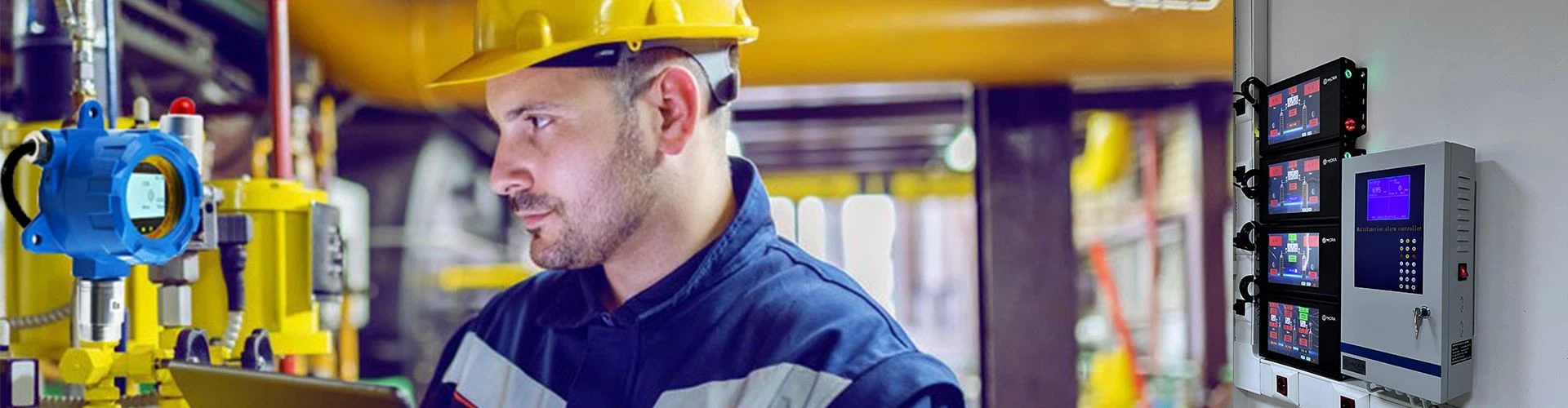
(2). Detection and alarm safety: In order to ensure the safety of the water plant, an efficient chlorine leak monitoring device must be equipped. Once a leak occurs, the device can quickly capture the situation and issue an alarm in time. At the same time, an emergency contact mechanism with local relevant departments also needs to be established to ensure that in the event of a leak, the alarm can be quickly reported and professional treatment can be obtained to ensure the safety of the surrounding environment and residents.
(3). Equipment and operation safety: Chlorine treatment equipment requires regular inspection and maintenance to ensure its normal operation. During the operation of chlorine treatment equipment, operators must wear standard personal protective equipment, such as gas masks, chemical protective clothing and gloves. At the same time, the operating site must be well ventilated to avoid chlorine leakage leading to excessive concentration accumulation
(4). Leakage accident and handling safety: Once a chlorine leak occurs, corresponding emergency treatment measures need to be taken immediately, including blocking the source of the leak, evacuating personnel, notifying relevant departments, etc. At the same time, emergency rescue and treatment should be carried out according to the specific situation to ensure the safety of personnel. At the same time, it is also necessary to conduct an accident investigation, analyze the cause of the accident, and take measures to prevent similar accidents from happening again.

Comparison between chlorine dioxide and O₃: O₃ easily reacts with BrO3- in water to generate "three-hazard" substances and has a high cost. Chlorine dioxide is superior to free chlorine in terms of disinfection efficiency and continuous stability. Compared with other disinfectants, it has better comprehensive performance, and the oxidation capacity of ClO₂ is second only to O₃.
Purpose of disinfection: Use physical or chemical methods to kill pathogenic microorganisms such as bacteria, viruses and insect eggs in water.
Chlorine dioxide sterilization mechanism (two views)
(1). ClO₂ has good adsorption and penetration ability on microbial cell walls. ClO₂ passes through the cell wall and enters the cell body, directly oxidizing the intracellular thioalanine, tryptophan, tyrosine, etc., leading to bacterial death.
(2). Because a large amount of chlorine dioxide gathers around the cell, it plays a sealing role, causing the cell to lose the ability to use protein, destroying the process of protein synthesis into new cells, hindering cell regeneration, and ultimately destroying the cell.
Chlorine dioxide (ClO2) is recognized as a new type of disinfectant with high efficiency, broad spectrum and A1 safety level, and is widely used in drinking water disinfection, food safety microbial control and other fields. In order to ensure the disinfection effect, different industries have certain requirements for the use concentration and residual concentration of chlorine dioxide when using it for disinfection.