

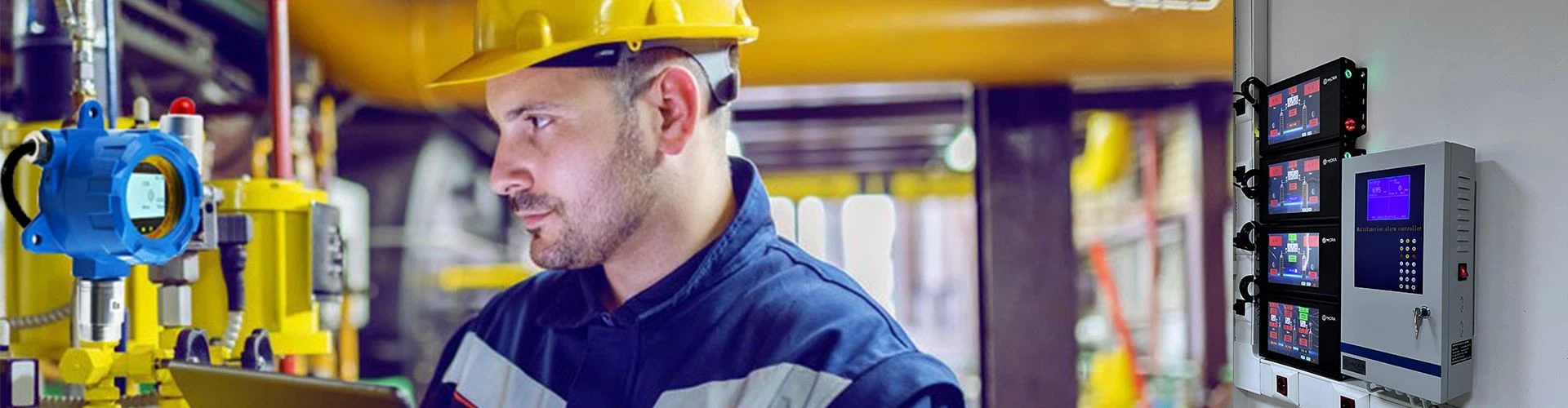


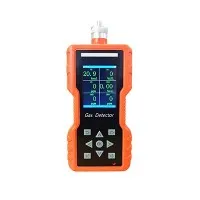


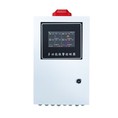

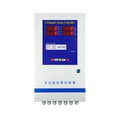
In terms of insect prevention, phosphine fumigation is currently widely used for insecticide. In order to ensure the fumigation effect, it is necessary to monitor the concentration of phosphine, carbon dioxide and oxygen inside the granary during the fumigation process. Since phosphine is a highly toxic gas, personnel are strictly prohibited from entering the warehouse to check during the fumigation process, so a gas detection device is needed to detect the gas situation in the granary.
When the pest infection of grain (including finished grain, raw grain, oil, dried potatoes, seed grain, etc.) reaches a certain degree, a certain amount of aluminum phosphide, calcium phosphide, zinc phosphide, dichlorvos and other drugs are buried in the grain pile under sealed conditions, so that the above phosphides absorb moisture in the gaps and grains in the grain pile, produce chemical reactions, and release highly toxic phosphine gas to kill various pests and eggs in the grain pile. Because grain is related to people's livelihood, in order to preserve grain from pests, grain depots should be fumigated regularly to kill insects.
Phosphine (PH3) is a colorless, extremely toxic gas with a fishy odor and high efficacy against stored grain pests. Therefore, it is widely used as an insect repellent for fumigation and pest control in grain, fur warehouses and ship cabins. However, the use of phosphine requires strict concentration control to avoid harm to the human body. For this reason, phosphine detectors are widely used in fumigation rooms and granaries to ensure safe operation.
Detecting phosphine concentration: Phosphine detectors are used to monitor the concentration of phosphine gas in fumigation rooms and granaries in real time. These instruments use electrochemical principles to determine the concentration of phosphine gas by measuring the size of the electrical signal generated by the reaction of phosphine gas with the internal catalyst of the detector. Phosphine is a colorless, toxic gas with a fishy odor and is often used for fumigation and pest control in grain, fur warehouses and ship cabins. During the fumigation process, phosphine has a high efficacy against stored grain pests, but due to its toxicity, its concentration needs to be strictly monitored to avoid accidents of poisoning of personnel.

Preventing phosphine poisoning: The phosphine detector can issue an early warning in time. When the phosphine concentration exceeds the standard or a leak occurs, the fixed phosphine gas detector is connected to the alarm controller + relay to control the fan operation, and the fan is turned on for mechanical ventilation to shorten the time for the phosphine concentration in the warehouse to drop below the sanitary standard. This helps to avoid personnel poisoning accidents and ensure the safety of staff.
Ensure the safety and efficiency of the fumigation process: As a fumigant with good performance, phosphine has a low molecular weight, good diffusivity, low boiling point, and good volatility, and it is easy to penetrate into the lower layer of the grain pile. In order to ensure the safety of the environment after fumigation, modern technology provides accurate and efficient solutions. By using phosphine transmitters, the safety and efficiency of fumigation operations can be ensured. These transmitters use high-precision electrochemical sensors with the characteristics of rapid response, high sensitivity, and strong anti-interference ability. They are suitable for real-time monitoring of phosphine concentration in various fumigation scenarios. They can provide accurate phosphine concentration data to help optimize fumigation plans and ensure fumigation effects.
Wide application area: In addition to grain silo fumigation, phosphine detector is also suitable for underground parking lots, garages, workshops, closed living places and other places where phosphine concentration needs to be detected. These instruments use wide-voltage DC power supply and standard communication protocols, which are easy to install and use, and improve the safety of these places.
In summary, the application of phosphine detectors in fumigation rooms and granaries is mainly to ensure the safety and efficiency of fumigation operations, through real-time monitoring of phosphine concentrations, prevention of poisoning accidents, and optimization of fumigation plans, thereby ensuring food safety and the health of workers.