

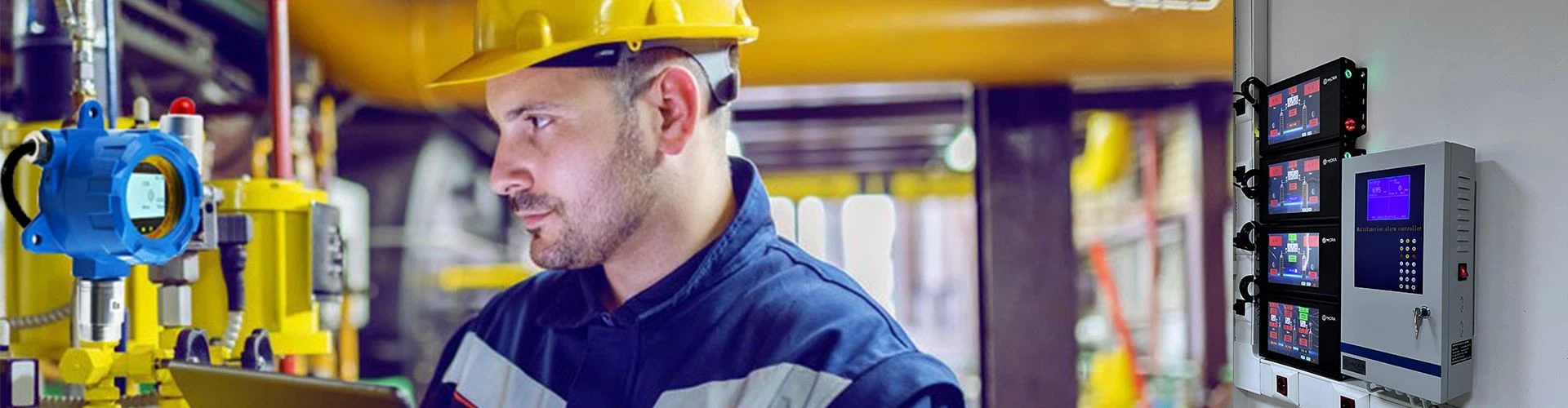


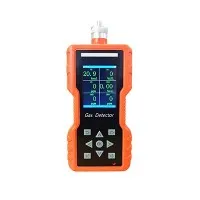


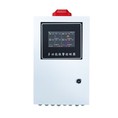

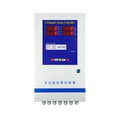
Choosing the right fixed H2S gas detector for your facility is crucial to ensure the safety of personnel and the surrounding environment. There are several key considerations to keep in mind when selecting a detector that meets your specific needs.

Sensing Technology: Fixed H2S gas detectors employ different sensing technologies, such as electrochemical, infrared, or solid-state sensors. Electrochemical sensors are commonly used for H2S detection due to their accuracy and reliability. Consider the advantages and limitations of each sensing technology and choose the one most suitable for your application.
Detection Range: Evaluate the potential H2S concentration levels in your facility to determine the appropriate detection range for the gas detector. It should cover the expected gas concentrations to ensure effective monitoring and early warning capabilities.
Alarm and Display: Look for a gas detector with visual and audible alarms to promptly alert personnel when H2S gas concentrations exceed predefined thresholds. A clear and easily readable display is also essential for real-time monitoring of gas levels.
Response Time: The response time of the gas detector is critical for detecting changes in H2S gas concentrations quickly. A faster response time allows for timely actions and responses to potential leaks or dangerous levels of H2S. Consider detectors with rapid response capabilities for enhanced safety.
Calibration and Maintenance: Regular calibration and maintenance are vital for the accuracy and reliability of the gas detector. Check if the detector offers easy calibration processes and has clear guidelines for maintenance and sensor replacement. User-friendly calibration procedures can save time and effort during routine maintenance.
Integration and Connectivity: Depending on your requirements, consider gas detectors that can integrate with a central monitoring system or offer connectivity options for data logging and remote monitoring. Integration capabilities enable comprehensive monitoring across your facility, while data logging can provide valuable insights for analysis and compliance purposes.
Environmental Factors: Assess the environmental conditions in your facility that may impact the gas detector's performance. Consider factors such as temperature, humidity, and potential interference from other gases or substances. Ensure that the chosen detector is suitable for the specific environmental conditions it will be exposed to.
Compliance with Standards: Verify that the gas detector complies with relevant safety standards and regulations applicable to your industry. Adhering to these standards ensures that the detector meets the necessary safety requirements and provides reliable and accurate results.
By carefully considering these key factors, you can select the right fixed H2S gas detector for your facility, minimizing risks associated with H2S gas exposure. Prioritize safety, reliability, and ease of use to ensure an effective gas detection system that protects both personnel and the environment.