






1. Introduction :
Ozone gas (O3) plays a crucial role in our atmosphere, protecting us from harmful ultraviolet radiation. However, at ground level, ozone can pose health risks and environmental concerns. This article will provide an overview of ozone gas, its sources, and the importance of utilizing O3 gas detectors to ensure safety and monitor ozone levels effectively.
2. What is Ozone Gas?:
Ozone gas is a triatomic form of oxygen (O3), composed of three oxygen atoms bonded together. It occurs naturally in the Earth's atmosphere, primarily in the stratosphere, where it forms the ozone layer. This layer shields the planet from the sun's ultraviolet (UV) rays, preventing them from reaching the Earth's surface.
3. Sources of Ground-Level Ozone :
Ground-level ozone, also known as tropospheric ozone, is primarily formed through chemical reactions between nitrogen oxides (NOx) and volatile organic compounds (VOCs) in the presence of sunlight. Common sources of these pollutants include vehicle emissions, industrial processes, power plants, and chemical solvents.
4. Health and Environmental Concerns :
While the ozone layer is beneficial, ground-level ozone can have adverse effects on human health and the environment. High concentrations of ozone can lead to respiratory issues, such as coughing, throat irritation, and shortness of breath. Individuals with asthma or other respiratory conditions are particularly vulnerable to the effects of ozone exposure.
Additionally, ozone can harm vegetation, including crops and forests. It affects plant photosynthesis and reduces agricultural productivity. Ozone also contributes to the formation of smog, a visible haze that degrades air quality and impacts the overall environment.

5. Importance of O3 Gas Detectors :
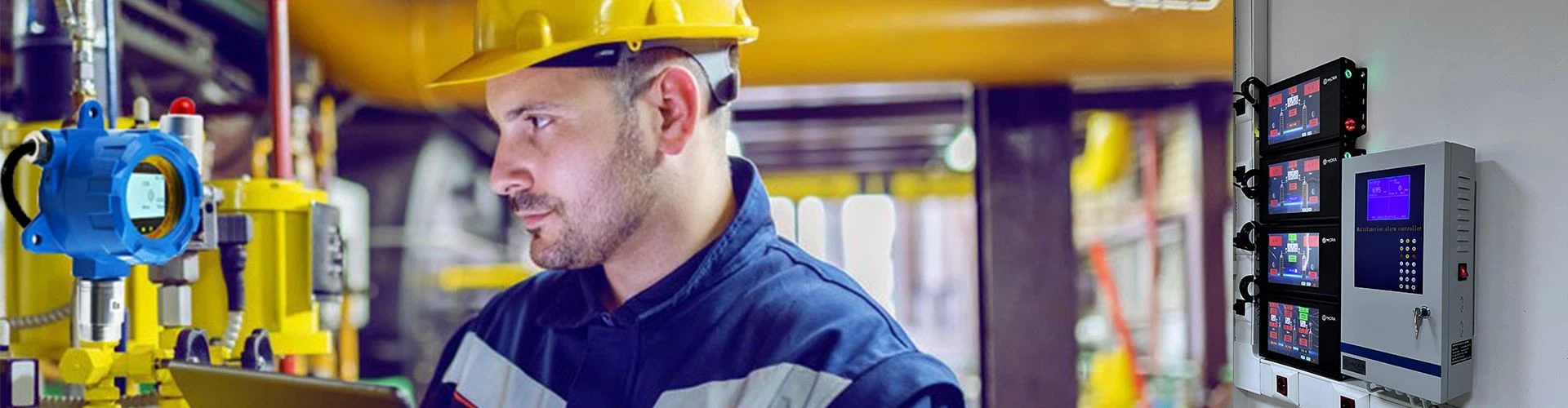
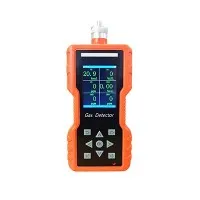
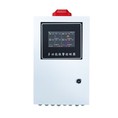
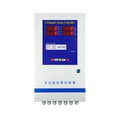
Given the potential risks associated with ground-level ozone, it is essential to monitor ozone levels accurately. It serves as an invaluable tool for measuring and detecting ozone concentrations in various settings. Here's why they are crucial:
a. Worker Safety: O3 gas detectors are vital in occupational settings where employees may be exposed to high ozone levels. By continuously monitoring ozone concentrations, these detectors provide early warning signs, allowing workers to take necessary precautions and minimize their exposure to harmful ozone gas.
b. Environmental Monitoring: It plays a significant role in environmental monitoring programs. They help scientists and regulatory agencies assess ozone levels in different regions, identify pollution sources, and develop strategies to mitigate ozone-related environmental damage.
c. Compliance and Regulations: Ozone monitoring is often mandated by regulatory bodies to ensure compliance with air quality standards. O3 gas detectors aid in monitoring ozone concentrations, assisting industries in meeting regulatory requirements, and implementing necessary emission controls.
6. Conclusion :
Ozone gas detectors are essential tools for measuring and monitoring ozone levels, both for worker safety and environmental protection. By understanding the sources and risks associated with ground-level ozone, we can employ O3 gas detectors to ensure a safe and healthy environment for individuals and mitigate the negative impacts of ozone pollution.