

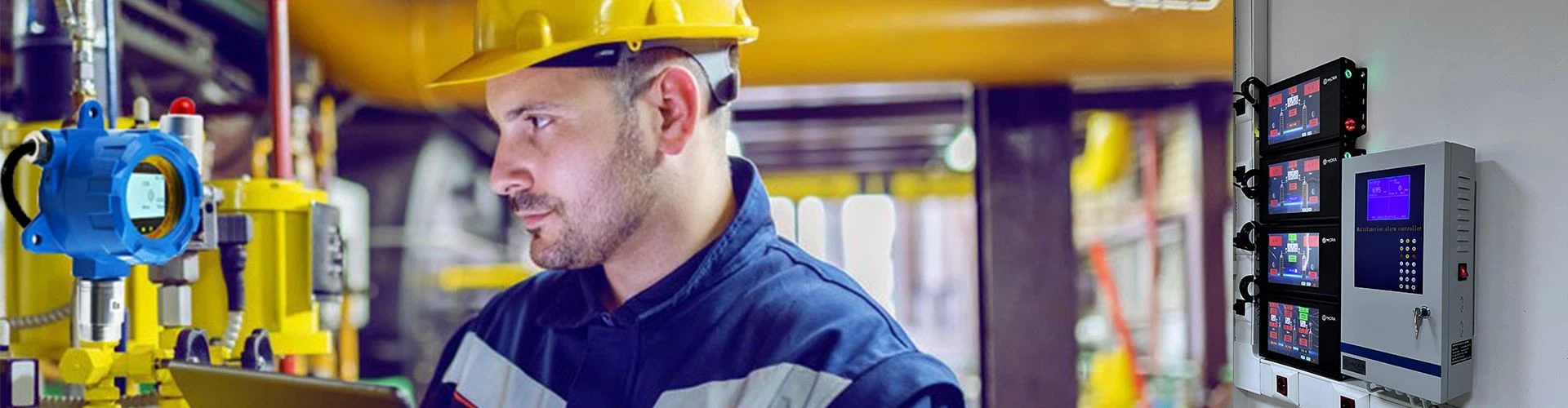


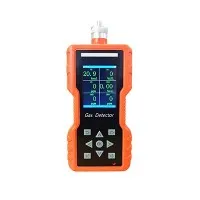





To maintain an H2S gas analyzer or hydrogen sulfide gas detector, it is important to follow the manufacturer's instructions and guidelines specific to your device. However, here are some general maintenance practices that are commonly recommended for H2S gas analyzers:
1. Regular Calibration: Calibrate the gas analyzer at regular intervals as specified by the manufacturer. Calibration ensures accurate and reliable measurements. Calibration involves exposing the gas analyzer to a known concentration of H2S gas and adjusting the device's settings to match the reference concentration.
2. Sensor Replacement: The sensors in H2S gas analyzers may have a limited lifespan and may need to be replaced periodically. Refer to the manufacturer's guidelines for recommended sensor replacement intervals. When replacing sensors, follow the manufacturer's instructions and ensure proper alignment and connection.
3. Sensor Cleaning: Depending on the environment in which the gas analyzer is used, the H2S sensor may accumulate contaminants over time. Follow the manufacturer's guidelines for cleaning the sensor, if applicable. Use recommended cleaning solutions and techniques to avoid damaging the sensor.

4. Regular Inspection: Conduct routine visual inspections of the gas analyzer for any signs of damage or wear. Check for loose connections, frayed cables, or physical damage. If any issues are found, consult the manufacturer's instructions for troubleshooting or contact technical support.
5. Power Supply: Ensure that the gas analyzer is receiving a stable and appropriate power supply. Check the power cables, connections, and voltage requirements as specified by the manufacturer. Avoid power surges or fluctuations that could affect the performance of the gas analyzer.
6. Environmental Conditions: Maintain the gas analyzer in appropriate environmental conditions. Follow the manufacturer's guidelines regarding temperature, humidity, and exposure to corrosive substances. Avoid exposing the device to extreme temperatures or excessive moisture.
Remember, these are general guidelines, and it's crucial to refer to the specific maintenance instructions provided by the manufacturer of your H2S gas analyzer or hydrogen sulfide gas detector.