

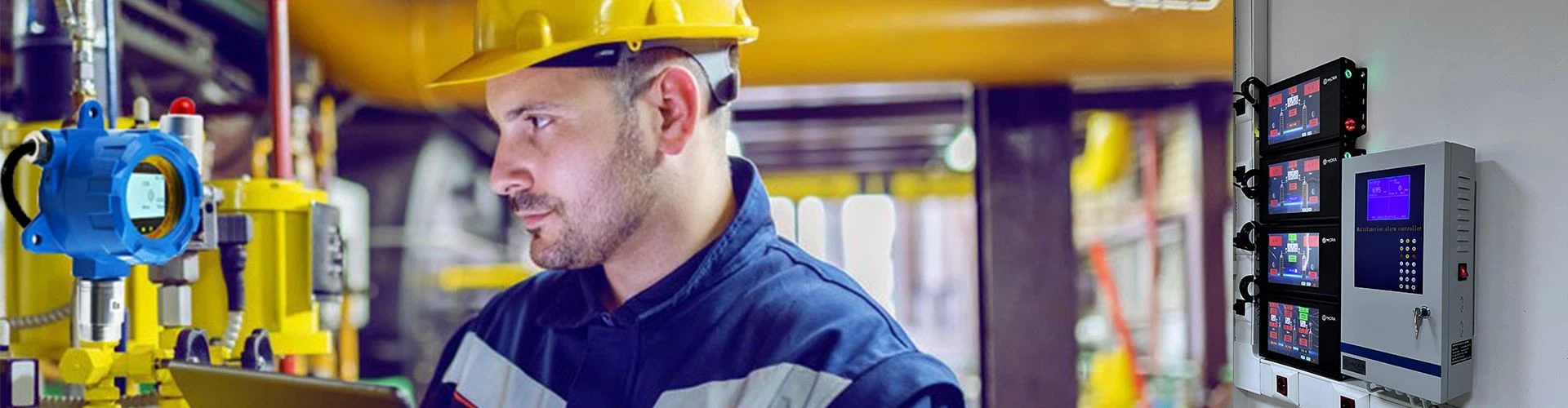


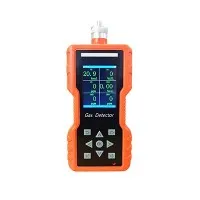


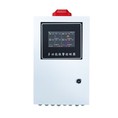

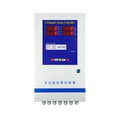
Hydrogen Chloride (HCL) gas is a corrosive and potentially harmful substance that is commonly found in various industrial settings. To ensure the safety of workers and the surrounding environment, the use of portable hydrogen chloride detectors is crucial. However, with a variety of models available on the market, choosing the right one for your specific needs can be challenging. In this article, we'll explore the features and benefits of different HCL gas detector models to help you make an informed decision.

Detection Technology: HCL gas detectors utilize different sensing technologies such as electrochemical sensors, photoionization detectors (PID), and semiconductor sensors. Each technology has its strengths and limitations. Electrochemical sensors offer accuracy and long-term stability, while PIDs excel at detecting low concentrations. Semiconductor sensors provide fast response times.
Measurement Range: Consider the measurement range of the detector. Some models are designed for high concentrations, making them suitable for industrial processes, while others are optimized for lower concentrations, ideal for ambient air monitoring in laboratories or confined spaces.
Response Time: The response time of an HCL gas detector is crucial, especially in situations where rapid detection can prevent accidents. Models with faster response times can provide quicker warnings to personnel, enabling them to take appropriate actions promptly.
Calibration and Maintenance: Look for detectors that offer ease of calibration and maintenance. Models with user-friendly interfaces and automated calibration procedures can save time and reduce the likelihood of errors during maintenance.
Data Logging and Connectivity: Advanced models may come with data logging capabilities and connectivity features. These detectors can record gas concentration levels over time, allowing for analysis and compliance reporting. Some detectors can even transmit real-time data to centralized monitoring systems for remote oversight.
Alarm Systems: Different detectors come with varying alarm systems, including audible alarms, visual indicators, and vibration alerts. Consider the environment in which the detector will be used and choose a model with alarm features suitable for that setting.
Durability and Build: Depending on the application, you might require a rugged and durable detector that can withstand harsh conditions. Some models are built to be water-resistant, dustproof, and resistant to chemical exposure.
Battery Life: If the detector will be used in remote or mobile environments, battery life becomes crucial. Longer battery life ensures continuous monitoring without frequent interruptions for recharging or battery replacement.
Certifications and Compliance: Ensure that the HCL gas detector models you're considering are certified by relevant safety standards organizations. Compliance with standards such as ATEX, UL, and CSA indicates that the detector has undergone rigorous testing for safety and performance.
Price and Cost of Ownership: While it's essential to consider your budget, also factor in the overall cost of ownership. A slightly higher upfront investment in a more capable and reliable detector may translate into long-term savings in terms of maintenance, accuracy, and lifespan.