

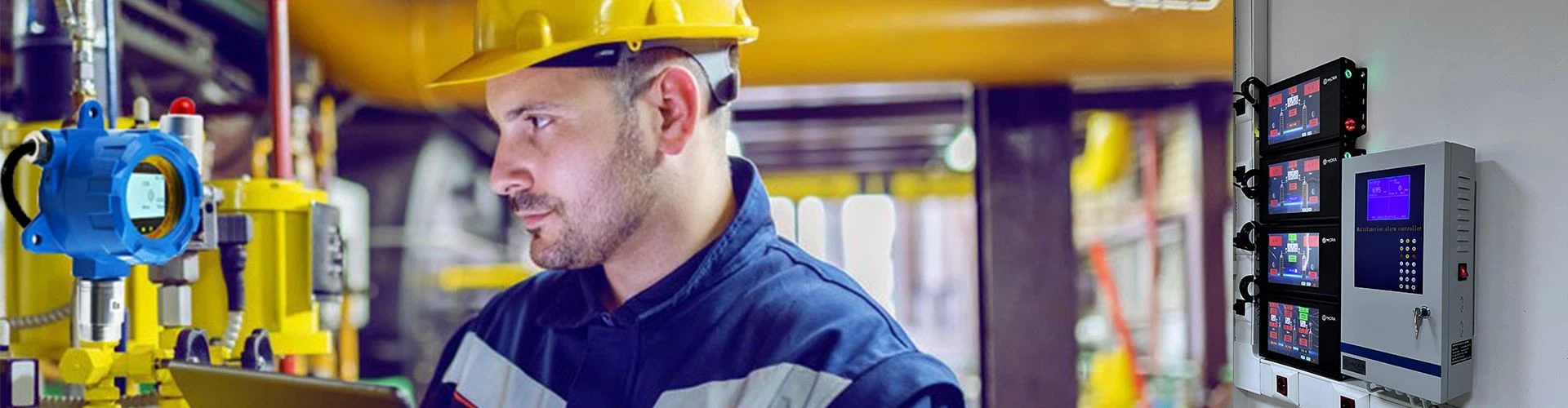


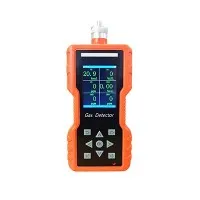


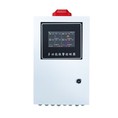

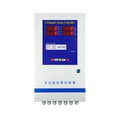
When it comes to selecting a portable oxygen detector, making an informed choice is crucial for ensuring safety and peace of mind. These devices play a pivotal role in alerting users to potential oxygen level fluctuations, making them indispensable for various environments such as homes, workplaces, and even during travel. To aid in your decision-making process, here are the top features you should consider when choosing a portable O2 detector.
Accuracy and Sensitivity: The primary purpose of a portable oxygen detector is to accurately measure oxygen levels in the surrounding air. Look for a device with high sensitivity and accurate readings, ensuring that even slight deviations from the norm are promptly detected.
Display and Readability: A clear and easily readable display is essential for quick and effortless monitoring. Opt for a detector with a bright, backlit screen that can be easily viewed in various lighting conditions.
Compactness and Portability: The whole point of it is its mobility. Choose a compact and lightweight device that you can carry effortlessly in your pocket, bag, or attach to your clothing.
Battery Life: Long battery life is a must for a portable device. Select a detector that offers extended operation on a single charge, especially if you intend to use it during travel or outdoor activities.
Audible and Visual Alarms: Timely alerts are crucial for user safety. The detector should have customizable alarms that trigger when oxygen levels fall below or exceed the set thresholds. Both audible alarms and visual indicators are essential to ensure you're notified even if you're in a noisy environment.

Data Logging and Connectivity: Some advanced models offer data logging capabilities, allowing you to review historical oxygen level data. Connectivity features, like Bluetooth or USB, enable you to transfer this data to other devices for analysis and record-keeping.
User-Friendly Interface: A user-friendly interface simplifies operation, making it easy for anyone to use the detector without requiring specialized training. Intuitive buttons and menu navigation contribute to a seamless user experience.
Durability and Build Quality: Since portable oxygen detectors are designed for various settings, including outdoor and industrial environments, choose a device built with durability in mind. Robust construction can ensure that the device can withstand occasional drops or rough handling.
Calibration and Maintenance: Regular calibration is essential to maintain accurate readings. Look for detectors that offer easy calibration processes, and check if the manufacturer provides guidelines for routine maintenance.
Price and Value: While budget is a consideration, prioritize value over price. Investing in a reliable, feature-rich oxygen detector could make a significant difference in safety and health protection.
Certifications and Standards: Ensure that the detector meets industry standards and certifications for accuracy and safety. This is especially important if you're using the detector in critical environments like healthcare facilities or industrial sites.
A portable oxygen detector is a valuable tool for safeguarding your well-being in diverse environments. By considering features like accuracy, portability, alarms, connectivity, and durability, you can confidently choose a device that aligns with your needs, providing you with accurate oxygen level readings and timely alerts whenever necessary.