

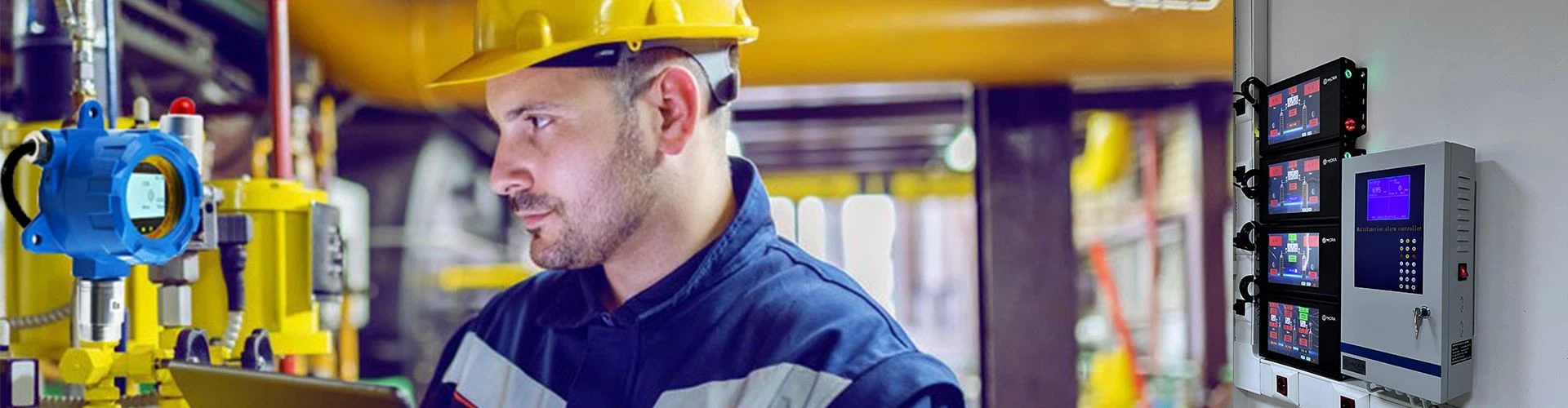





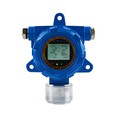

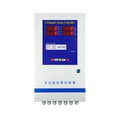
Flammable gases pose significant risks in a variety of settings, from homes to industrial complexes. The potential for explosions, fires, and health hazards make effective gas detection systems an essential component of safety protocols. Flammable gas leak detectors play a pivotal role in identifying the presence of these dangerous gases and mitigating potential risks.
The Work Mechanism:
Flammable gas leak detectors are designed to detect the presence of gases that can ignite and cause fires or explosions. These detectors operate based on different principles, including catalytic combustion, infrared absorption, and semiconductor sensors.
Catalytic combustion detectors contain a catalyst that promotes the oxidation of flammable gases. When gas molecules come into contact with the catalyst, they react, producing heat. This change in temperature is then detected and triggers an alarm.
Infrared absorption detectors rely on the fact that gases absorb specific wavelengths of infrared light. The detector emits an infrared beam through the air, and if flammable gas molecules are present, they will absorb some of the light. The decrease in intensity of the beam indicates the presence of gas, triggering an alarm.
Semiconductor sensors work by utilizing a material that changes its electrical conductivity in the presence of certain gases. When flammable gases are detected, they alter the conductivity of the material, generating an electrical signal that activates an alarm.

Mitigating Risks in Different Environments:
Industrial Settings: Flammable gases are common byproducts in industries such as chemical manufacturing, oil refineries, and power generation. The presence of these gases can result from leaks, faulty equipment, or chemical reactions. Flammable gas leak detectors placed strategically throughout these facilities continuously monitor the air quality. They can trigger alarms, initiate emergency shutdowns, and alert workers to evacuate in the event of a gas leak. By providing early warnings, these detectors prevent catastrophic incidents, protecting both personnel and infrastructure.
Residential Areas: In homes, flammable gases like natural gas (methane) are used for heating and cooking. While natural gas is generally safe, leaks can occur due to aging pipes or faulty appliances. Flammable gas detectors installed near gas lines or appliances serve as an early warning system. They can alert homeowners to take action before gas accumulates to dangerous levels, preventing potential explosions or fires.
Commercial Spaces: Commercial buildings house various gas-powered systems, including HVAC systems and kitchens. It ensures the safety of employees and customers by detecting leaks and triggering alarms that prompt timely interventions.
Flammable gas leak detectors play a pivotal role in mitigating risks associated with the presence of flammable gases. By employing different detection mechanisms, these devices provide early warnings, allowing for swift actions that prevent accidents, fires, and explosions.