

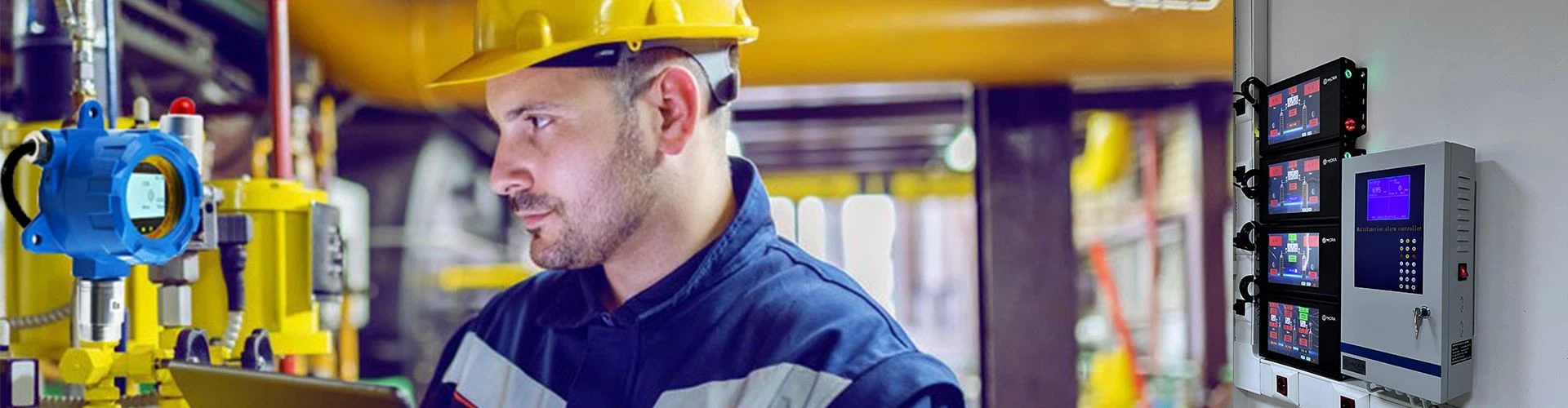


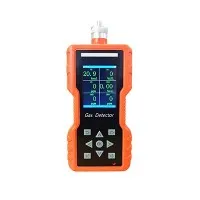


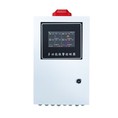

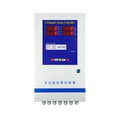
Methane, a colorless, odorless gas, is not only a primary component of natural gas but also a potent greenhouse gas. As such, detecting and monitoring methane emissions is crucial in a variety of industries to ensure safety, environmental compliance, and efficient operations. Handheld methane gas detectors play a pivotal role in these applications across different sectors. In this article, we'll explore the real-life applications of these portable devices in various industries.
Oil and Gas Industry:
Handheld methane gas detectors are indispensable tools in the oil and gas sector. They are used during drilling and exploration activities to detect leaks, ensuring the safety of workers and preventing explosions. These detectors help identify the presence of methane in confined spaces and storage tanks, minimizing the risk of fires and explosions.
Mining Industry:
In underground mines, the potential for methane buildup is a constant concern. Methane gas detectors are used to monitor methane levels in real-time, allowing miners to take immediate actions to evacuate or ventilate areas where dangerous concentrations are detected, preventing accidents and fatalities.
Agriculture:
Methane is a byproduct of livestock digestion and manure decomposition. Agricultural operations utilize handheld methane detectors to monitor methane emissions in barns and animal confinement areas. By identifying sources of methane, farmers can implement measures to reduce emissions and improve animal health.

Wastewater Treatment Plants:
Sewage treatment facilities handle organic waste that can produce methane as a byproduct. Handheld detectors are employed to monitor gas levels in treatment plant environments. This enables operators to take preventive measures and optimize the treatment process to minimize methane emissions.
Landfills:
Landfills are major sources of methane emissions due to the decomposition of organic waste. Methane gas detectors are used by landfill operators to monitor and manage emissions, allowing for timely collection and utilization of methane as an energy source, reducing its release into the atmosphere.
Construction Industry:
Construction sites often involve digging and excavating near utility lines, which can result in methane leaks. Handheld detectors are used to check for the presence of methane before digging begins, preventing accidents and ensuring worker safety.
Food Processing:
Food processing plants generate organic waste that can produce methane. Handheld detectors are used to monitor potential gas leaks in food production facilities, safeguarding both employees and the food products.
Environmental Monitoring:
Handheld methane gas detectors are used by environmental agencies and researchers to monitor methane emissions from natural sources, such as wetlands and permafrost. This helps in studying the impact of methane on climate change and developing strategies to mitigate emissions.
Handheld methane gas detectors find diverse applications across various industries, enhancing safety, reducing environmental impact, and improving operational efficiency. These portable devices enable real-time monitoring of methane levels, allowing for quick responses to potential hazards and emissions. As industries continue to prioritize safety and sustainability, the role of methane gas detectors in safeguarding workers and the environment remains paramount.