

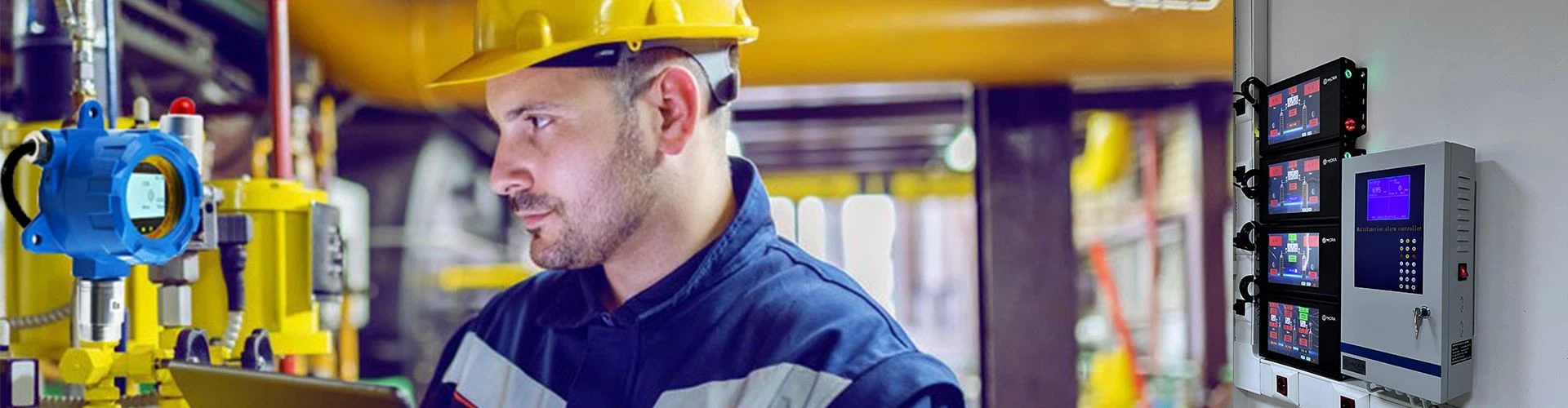




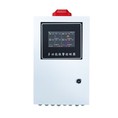

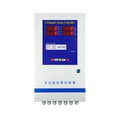
In the winemaking industry, whether it is liquor, wine or beer, toxic gases will be produced during the production process. It is very important to install toxic gas detection sensors and related alarm systems in the production workshop.
First of all, liquor is brewed by traditional craftsmanship in my country. Its unique craftsmanship is the summary of the production experience and wisdom of the working people of my country for thousands of years. Various types of liquor are loved by people because of their own color, fragrance and taste. The traditional craft of liquor is solid fermentation. Most of them use grains such as sorghum and rice as raw materials, and use Daqu, Xiaoqu or yeast as sugar fermentation agents. After cooking, fermentation, distillation, aging and blending, it is made into distilled liquor. With the development of my country's economy, the development of the liquor industry has grown rapidly, and the environmental and safety issues in liquor production have become increasingly prominent:
1. Dangerous gas ethanol will be produced in liquor production, and explosion detection; ethanol exceeds the standard in bulk warehouses, pottery jar wine warehouses, workshops, tank areas and other areas;
2. There is a possibility of excessive carbon dioxide in the fermentation area;
3. Dangerous gases of carbon monoxide and sulfur dioxide exist in the boiler heating area;
4. There are also certain dangerous gases in the equipment during equipment safety maintenance.
Other common toxic gases found during fermentation, cleaning and bottling are: chlorine, ozone, sulfur dioxide, hydrogen sulfide, ammonia. The most common toxic gas in wineries and breweries is carbon dioxide. Carbon dioxide is a gas that people have limited knowledge of, and most people don't know much about. It is toxic in itself. Odorless, non-irritating to the skin, and difficult for the human body to detect, carbon dioxide is considered an invisible killer that must be detected.

In the monitoring of exhaust gas emissions from boiler combustion in breweries, CO2 detectors can monitor the CO2 concentration in exhaust gas in real time to ensure that exhaust gas emissions meet environmental standards and avoid direct CO2 emissions that cause environmental pollution. In addition, the use of CO2 detectors can also help evaluate the production efficiency of breweries. By monitoring CO2 emissions during the combustion process, breweries can optimize production processes and improve energy efficiency, thereby reducing costs and improving product quality.
In terms of environmental protection monitoring, CO2 detectors, as an important monitoring tool, help evaluate air quality and provide data support for the formulation of environmental protection policies. By real-time monitoring of the CO2 concentration in the exhaust gas from the brewery boiler, the CO2 detector can provide key environmental data for the environmental protection department, help evaluate the actual impact of the brewery on the environment, and formulate corresponding environmental protection measures to reduce carbon emissions and protect the atmospheric environment.
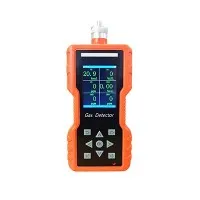
Depending on the different brewing processes, the gases produced are also different. Huafan Technology recommends that when selecting toxic gas sensors, it is necessary to determine the type of gas in the measured space so that the appropriate toxic gas sensor can be better selected. Use different types of gas detectors to detect gas concentrations. When the gas concentration exceeds the standard, the controller can issue an audible and visual alarm and take corresponding actions, such as starting the exhaust fan or cutting off the valve. The controller signal can also be converted into a network signal and transmitted to the computer server through the network settings for storage.
In summary, the application of gas detectors in the detection of toxic gases in breweries not only helps to improve production efficiency and reduce environmental pollution, but also provides important environmental monitoring data for environmental protection departments, which is of great significance for promoting industrial sustainable development and environmental protection.