








Chlorine gas (Cl₂) is a toxic, yellow-green gas with a strong, pungent odor. Accurately detecting the presence of chlorine gas is crucial in chemical laboratories and industrial settings to ensure personnel safety and proper operational procedures. The following are several common methods for detecting chlorine gas:
I. Observation Methods
Color and Odor: Chlorine gas is characterized by a distinctive yellow-green color.
It has a strong, pungent odor, which can serve as an initial clue. However, it is important to note that high concentrations of chlorine gas can rapidly cause olfactory fatigue or desensitization; therefore, one should not rely solely on odor for detection.
Test Paper Detection:Use moist starch-potassium iodide (KI) test paper: Chlorine gas reacts with iodide ions to produce elemental iodine (I₂), and iodine turns blue in the presence of starch. If the test paper turns blue when exposed to the gas being tested, it indicates the presence of chlorine gas.
2. Chemical Reagent Methods
Silver Nitrate Solution: Bubble the gas to be tested into an aqueous solution of silver nitrate (AgNO₃). Chlorine gas reacts with water to form hydrochloric acid (HCl) and hypochlorous acid (HClO); the chloride ions (Cl⁻) from the hydrochloric acid then react with silver ions (Ag⁺) to form a white silver chloride (AgCl) precipitate. The formation of a white precipitate confirms the presence of chlorine gas.

Sodium hydroxide solution and phenolphthalein indicator:
First, add phenolphthalein indicator to the sodium hydroxide solution, turning the solution red. Then, pass the gas to be tested into the solution; chlorine gas reacts with the sodium hydroxide. As the reaction consumes hydroxide ions, the alkalinity of the solution decreases-eventually becoming neutral or acidic-causing the phenolphthalein to lose its color. Although this method does not directly prove the presence of chlorine gas, observing the change in the phenolphthalein's color allows one to indirectly infer that the chlorine gas has likely reacted with the solution.
3. Instrumental Analysis Methods
Gas Chromatograph: A gas chromatograph can separate and detect individual components within a gas mixture. By selecting an appropriate chromatographic column and detector (such as an Electron Capture Detector, or ECD), quantitative analysis of chlorine gas can be performed. This method offers high sensitivity and accuracy but requires specialized equipment and operational expertise.
Infrared Spectrometer: Chlorine gas molecules exhibit specific absorption peaks in the infrared spectral region. By analyzing the sample with an infrared spectrometer, the presence and concentration of chlorine gas can be determined based on the position and intensity of these absorption peaks. Similarly, this method requires specialized equipment and operational expertise.
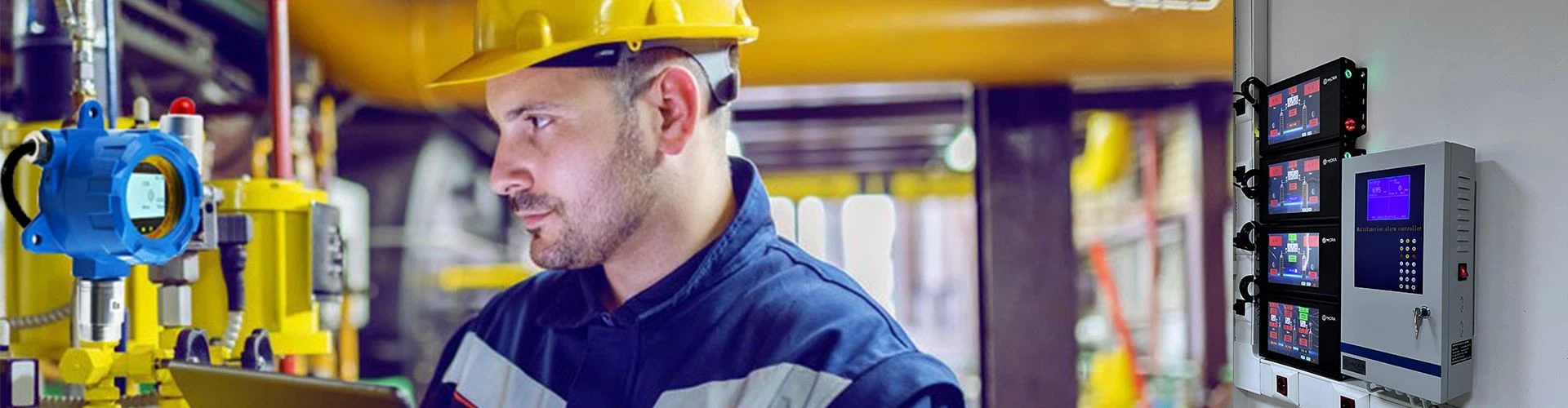
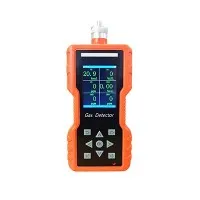
Chlorine Gas Detector: Portable or fixed detectors utilizing electrochemical sensors are commonly used in industrial settings; they trigger audible and visual alarms when concentrations exceed safe limits, making them suitable for real-time monitoring and emergency environmental screening.
4. Safety Precautions
Strict adherence to laboratory safety protocols is mandatory when testing for chlorine gas:
Ensure adequate ventilation to prevent the accumulation of chlorine gas.
Wear appropriate protective equipment, including gas masks, gloves, and safety goggles.
Conduct operations under the guidance of qualified personnel to ensure the safety and effectiveness of the experimental process.
Our company is a professional manufacturer of gas detectors, control panel, and cloud-based monitoring software. We welcome your inquiries and orders.