

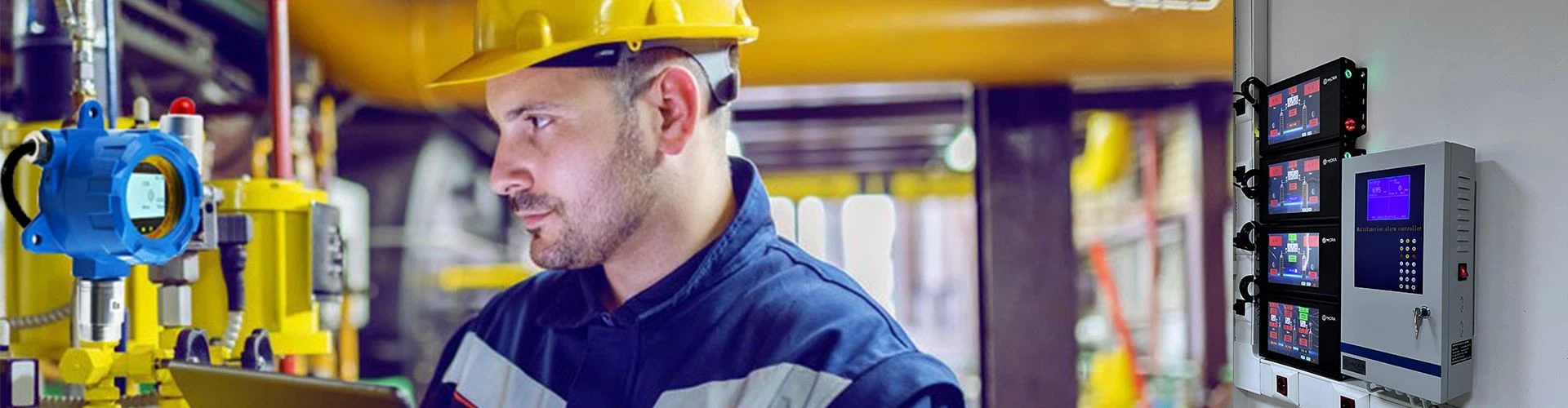


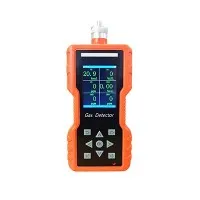


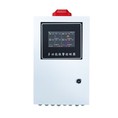

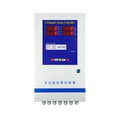
As a clean and efficient energy source, fuel gas (primarily natural gas) is widely used in sectors such as residential living, industrial production, power generation, and transportation. Its main component, methane (CH₄), is flammable and explosive; concentrations between 5% and 15% in air can lead to an explosion upon contact with an open flame.EX gas detector is a must. With the continuous expansion of urban gas pipeline networks and the growing issue of aging infrastructure, gas safety has become a major public concern.
1.Key application scenarios in the combustible gas industry include:
Urban gas pipeline networks: Transmission and distribution networks covering residential and commercial areas
City gate stations and storage/distribution stations: Facilities for gas reception and storage
Industrial users: Large-scale consumers such as factories and power plants
LNG/LPG facilities: Storage and gasification facilities for Liquefied Natural Gas (LNG) and Liquefied Petroleum Gas (LPG)

2. Risk points for gas leakage into the atmosphere
(1). Flange connections: Aging gaskets, loose bolts; minor leaks are difficult to detect
Valve seals: Packing wear, valve stem corrosion; leaks can occur under both atmospheric and pressurized conditions.
(2). Station facilities: Facilities such as LNG gasification stations and city gate stations house large numbers of pressure pipelines, valves, and instruments, resulting in a high density of potential leak points. LNG/CNG pressure regulating stations, in particular, carry a higher risk of leakage due to outdoor installation and long-term unattended operation.
3. Direct detection technologies
(1). Catalytic combustion sensor; capable of detecting 0–100% LEL (Lower Explosive Limit).
(2). Laser methane detection (TDLAS): Utilizes methane's absorption characteristics at specific laser wavelengths.
(3). Optical Gas Imaging (OGI): Uses infrared thermal imaging technology to visualize gas plumes.
4. Online gas leak monitoring solutions:
Fixed lpg gas detectors combined with control panels, integrated with cloud platforms, PLCs, or BMS (Building Management Systems) to enable wireless transmission, location tracking, and linkage functions.
5. Applications for fixed lpg gas detectors.
Fixed gas detectors are core components of online monitoring systems in the gas industry. Operating continuously around the clock, they monitor ambient combustible gas concentrations (primarily methane) in real time. When concentrations reach preset alarm thresholds, they trigger audible and visual alarms and activate safety equipment such as ventilation systems and shut-off valves.
Unlike portable detectors or inspection vehicles, fixed detectors are installed at specific high-risk locations, acting as "fixed sentinels" within the monitoring network to ensure continuous surveillance of critical areas.
Fixed lpg gas detector output signal (e.g., 4-20mA/RS485) → Transmitted to gas alarm controller → Local audible/visual alarm triggered at alarm setpoint→PLC/DCS system → Interlocking with shut-off valves and fans→Monitoring platform (SCADA/Cloud platform)→Mobile App/SMS alerts (for management personnel)