











Mine environments are complex and entail high potential risks; miners are frequently exposed to various hazardous gases. These gases not only threaten their health but can also trigger serious safety accidents. Understanding the common hazardous gases found in mine air along with the corresponding protective measures is crucial for ensuring miner safety and maintaining the normal operation of the mine.
I. Major Hazardous Gases in Mines
(1). Methane (CH4)
Properties: Methane is a colorless, odorless gas that is lighter than air, highly flammable, and explosive.
Sources: Primarily originates from gas released within coal seams.
Hazards: High concentrations of methane accumulating in a mine can easily form explosive mixtures; if exposed to an open flame or high temperatures, they can very easily trigger a gas explosion.
(2). Carbon Monoxide (CO)
Properties: Carbon monoxide is a colorless, odorless gas that is slightly lighter than air and is toxic.
Sources: Blasting operations, mine fires, spontaneous combustion of coal, and coal dust or gas explosion accidents.
Hazards: Hemoglobin is the component in human blood responsible for transporting oxygen and eliminating carbon dioxide. Carbon monoxide possesses an affinity for hemoglobin that is 250 to 300 times greater than that of oxygen. Once carbon monoxide enters the body, it preferentially binds with the hemoglobin in the blood; this reduces the opportunity for hemoglobin to bind with oxygen, thereby rendering the hemoglobin incapable of performing its oxygen-transporting function. Consequently, this leads to a state of "asphyxiation" within the bloodstream, which, in severe cases, can result in death. Even exposure to low concentrations can trigger symptoms such as headaches, dizziness, and nausea.
(3). Carbon Dioxide (CO2)
Properties: Colorless, odorless, heavier than air, and non-flammable.
Sources: Primarily originates from natural releases within coal seams and from blasting operations inside the mine.
Hazards: High concentrations of carbon dioxide reduce the oxygen content in the air, leading to asphyxiation; prolonged exposure to low concentrations of carbon dioxide can also adversely affect the respiratory system.

(4). Hydrogen Sulfide (H2S)
Properties: Hydrogen sulfide is a colorless gas with a characteristic "rotten egg" odor; it is heavier than air and is toxic.
Sources: Primary sources include the decomposition of organic matter, the hydrolysis of sulfur-bearing minerals, and mineral oxidation and combustion.
Hazards: Hydrogen sulfide is highly toxic and acts as a potent irritant; it disrupts biological oxidation processes, leading to oxygen deprivation in the human body. Hydrogen sulfide irritates the eyes and the mucous membranes of the upper respiratory tract. Upon exposure to high concentrations, victims may exhibit conjunctival congestion, excessive tearing, and nasal discharge; furthermore, irritation of the respiratory tract can trigger severe chest pain, coughing, and even the expectoration of blood-stained sputum.
(5). Nitrogen Oxides (NOx)
Properties: Nitrogen oxides primarily consist of nitric oxide and nitrogen dioxide; they appear reddish-brown in color, are heavier than air, and are toxic.
Sources: Primarily generated by blasting operations within the mine and diesel engine exhaust.
Hazards: Nitrogen oxides cause respiratory irritation; prolonged exposure can lead to chronic respiratory diseases, and in severe cases, result in pulmonary edema.
2. Protective Measures
(1). Ventilation System Optimization Measures:
Install high-efficiency ventilation equipment: Ensure proper air circulation within the mine and promptly exhaust harmful gases.
Regularly inspect and maintain the ventilation system: Prevent ventilation equipment failures and ensure the system operates continuously and efficiently.
Design ventilation routes rationally: Ensure air reaches every operational area to prevent the accumulation of harmful gases.
Effectiveness: Effectively dilutes and exhausts harmful gases from the mine, reduces their concentration, and minimizes risks to miners.
(2). Gas Monitoring and Alarm System Measures:
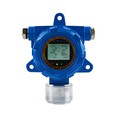
Install fixed multi gas detector: Deploy detectors for gases such as methane, carbon monoxide, carbon dioxide, hydrogen sulfide, and nitrogen oxides in all critical areas of the mine.
Establish an automatic alarm system: Automatically trigger an alarm signal whenever harmful gas concentrations exceed safe limits, alerting miners to evacuate.
Real-time data monitoring: Continuously monitor gas concentrations within the mine via a monitoring system to ensure the timely detection of any anomalies.
Effectiveness: Provides real-time monitoring and early warning of harmful gas concentrations, preventing accidents and safeguarding the safety of miners.
(3). Personal Protective Equipment (PPE) Measures:
Wear gas masks: Equip miners with appropriate gas masks, particularly when performing high-risk operations.
Use respirators: In environments with high concentrations of harmful gases, miners should use air-supplied respirators to ensure safety.
Provide protective clothing: In areas with elevated harmful gas concentrations, miners should wear protective clothing to prevent skin contact with the gases.
Effectiveness: PPE effectively prevents direct harm to miners caused by harmful gases and enhances their overall level of safety protection.