

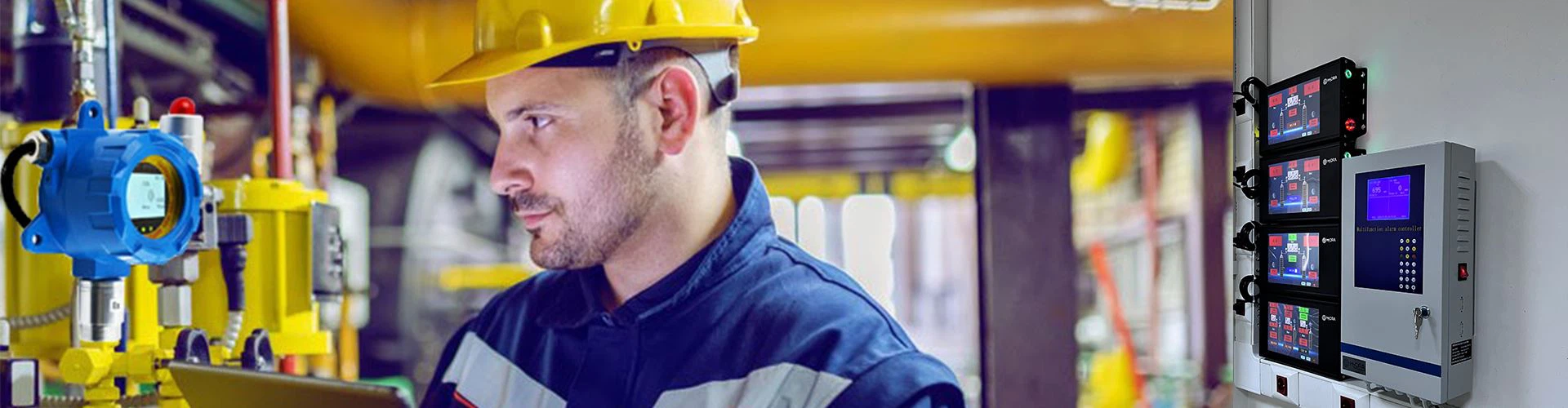


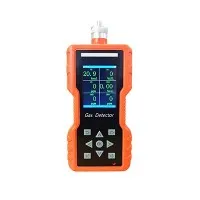




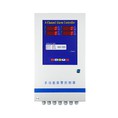
Detecting hydrogen leakage is of vital importance because hydrogen is colorless, odorless and highly flammable and explosive (with an explosion limit of 4% to 75% by volume concentration in air). Even a small-scale leakage may cause a fire or explosion when exposed to an ignition source (sparks, static electricity, high-temperature surfaces, etc.).
The following are the main methods and techniques for detecting hydrogen leakage:
1. Catalytic combustion sensor:
Principle: There is a platinum wire bridge coated with a catalyst inside the sensor. When hydrogen diffuses into the sensor, it undergoes flameless combustion with oxygen under the action of a catalyst, generating heat and causing a change in the resistance of the platinum wire, thereby producing an electrical signal.
Advantages: It has good selectivity for hydrogen (compared with other flammable gases), fast response speed, wide measurement range (from low concentration to high concentration), relatively long service life, and moderate cost.
Disadvantages: It requires an oxygen-rich environment to operate. High concentrations of hydrogen may cause the sensor to "poison" or be damaged (sintered), and it is sensitive to certain inhibitors (such as silicon compounds, sulfides, halogen compounds).
Application: Widely used in industrial environments, hydrogen refueling stations, laboratories, fuel cell systems, etc.

2. Electrochemical sensor:
Principle: Hydrogen undergoes an electrochemical reaction in the electrolyte of the sensor (usually oxidized on the working electrode), generating a current signal proportional to the hydrogen concentration.
Advantages: High sensitivity (especially suitable for detecting low-concentration PPM-level leaks), good selectivity (can be designed to be specific to hydrogen), low power consumption, and can operate in an oxygen-free environment.
Disadvantages: The lifespan is relatively short (usually 2-3 years), the measurement range is limited (it is prone to saturation or damage at high concentrations), it is greatly affected by environmental temperature and humidity, and may be influenced by cross-interfering gases (such as CO).
Application: It is often used in situations where trace leaks need to be detected, such as monitoring laboratory fume hoods, checking the sealing of pipelines and valves, and monitoring the interior of fuel cell vehicles, etc.
3. Infrared sensor:
Principle: Utilizing the absorption characteristics of hydrogen molecules in specific infrared bands (especially near-infrared and mid-infrared). Infrared light is emitted through the gas to be measured, and the detector measures the attenuation of light intensity at a specific wavelength to determine the hydrogen concentration.
Advantages: It has excellent selectivity (only reacts to gases that absorb light of specific wavelengths), fast response speed, high measurement accuracy, long service life, is not prone to poisoning, and can measure high concentrations.
Disadvantages: High cost, limited sensitivity of traditional infrared to hydrogen (requiring a longer optical path or special techniques such as photoacoustic spectroscopy to enhance low-concentration detection capabilities), and may be affected by water vapor and dust.
Application: It is increasingly used in scenarios that require high selectivity and high reliability, such as hydrogen refueling stations, chemical plants, and emerging fiber-optic distributed hydrogen sensing systems.
Hydrogen h2 gas detector plays a vital role in protecting life and property safety in industrial production. If you have any needs, please feel free to inquire.