

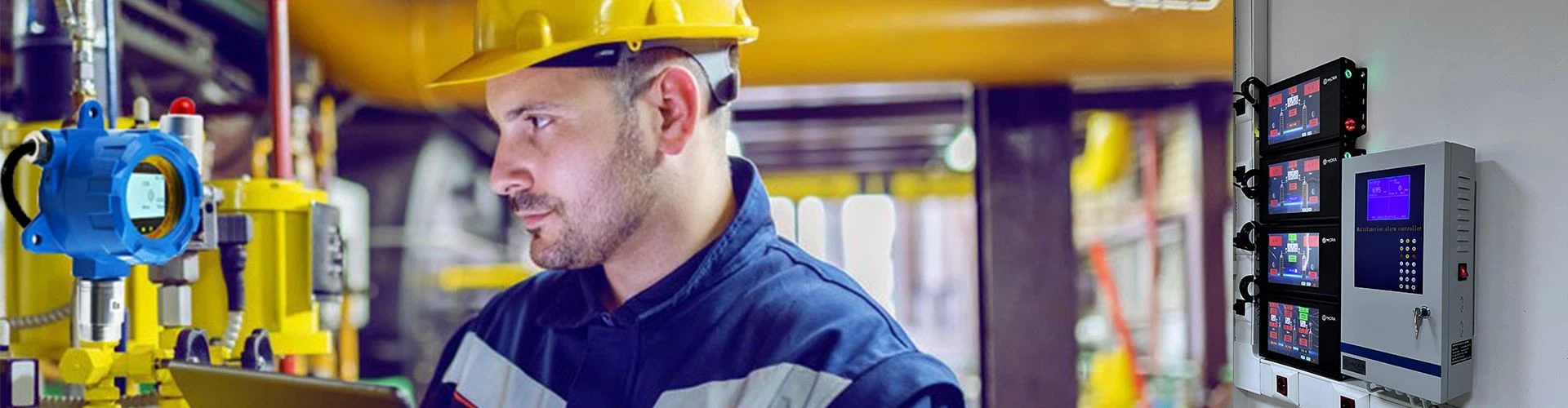


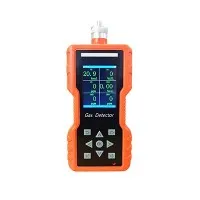


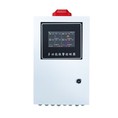

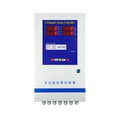
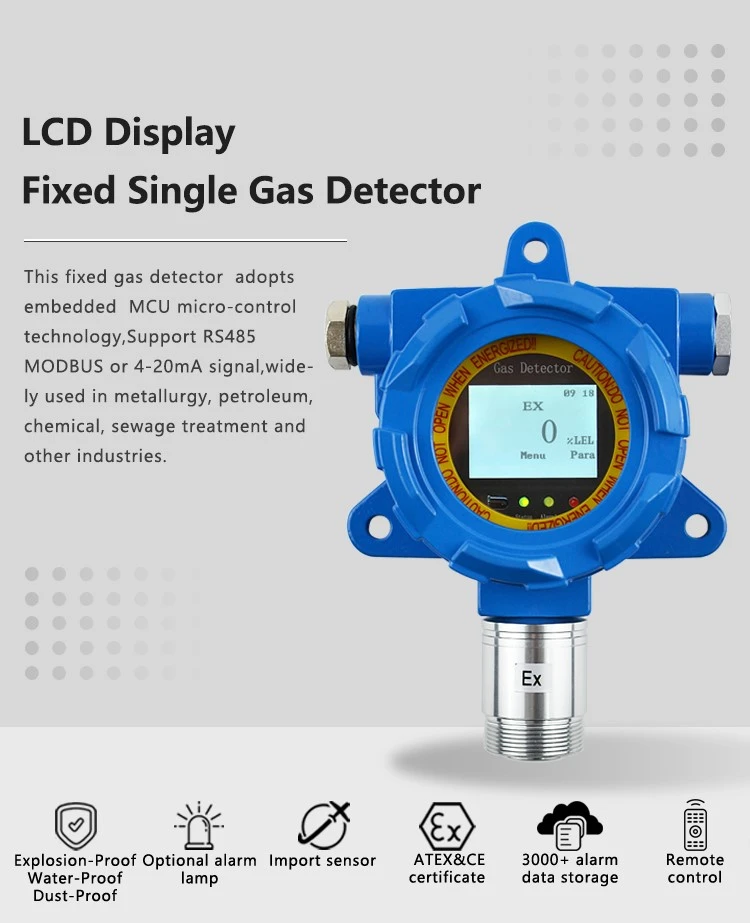
An ammonia NH3 gas detector is a safety device used to monitor ammonia concentrations in high-risk environments, such as those found in the petroleum, chemical, and transportation sectors. These detectors are primarily deployed in cold storage facilities, oil depots, and industrial zones requiring explosion-proof equipment. The standards for setting their alarm thresholds are determined by national safety regulations and industry-specific requirements; adherence to these standards is mandatory for the safe operation of such facilities.
I. Level 1 Alarm Threshold
The Level 1 alarm threshold is typically set at a lower concentration range to provide an early warning. Specifically:
Common range: The Level 1 threshold is generally set between 15 mg/m³ and 20 mg/m³. This range is based on the occupational exposure limit for ammonia (typically 20 mg/m³) and is intended to trigger an alert before ammonia concentrations reach dangerous levels.
Settings for specific environments: In certain environments, such as livestock farming, the first-level alarm threshold may be set even lower-for example, at 15 ppm. Research indicates that exposure to ammonia concentrations exceeding 13 ppm (approximately 10 mg/m³) can have adverse health effects on livestock and poultry. Consequently, it is generally recommended that the first-level alarm threshold not exceed 13–15 ppm. Because livestock and poultry are highly sensitive to ammonia, exceeding a certain threshold increases their risk of illness. Therefore, ammonia detectors used in animal husbandry require lower alarm thresholds to ensure the healthy growth of the animals.
II. Level 2 Alarm Threshold
The Level 2 alarm threshold is set at a higher concentration range to provide further warning and allow time for emergency response. Specifically:
Common range: The Level 2 threshold is typically set at around 40 mg/m³ to 50 mg/m³. This range ensures that an alert is triggered if ammonia concentrations continue to rise, prompting personnel to take necessary safety measures.
Comparison with Level 1: The Level 2 threshold is generally about twice that of the Level 1 threshold (though this is not an absolute rule; specific values may vary depending on the standards applied and testing conditions). This configuration provides an additional safety margin, ensuring sufficient time for emergency response should ammonia concentrations reach higher levels.
III. Alarm Thresholds Considering Explosive Properties
In certain environments, such as chemical production facilities, it may be necessary to account for the explosive properties of ammonia when setting alarm thresholds. Specifically:
Lower Explosive Limit (LEL): The lower explosive limit for ammonia is typically 15% (by volume). When setting alarm thresholds based on explosion characteristics, the first-level alarm can be set at 25% of the Lower Explosive Limit (LEL), while the second-level alarm can be set at a higher percentage (e.g., 50% or greater). However, this approach is rarely used in practice, except in specific environments where explosion risks are a primary concern.
IV. Considerations for Practical Application
Selection of appropriate models and specifications: Choose an ammonia detector model and specification that suits the specific application scenario and requirements.
Regular calibration and maintenance: Ammonia detectors require periodic calibration to ensure measurement accuracy and stable operation.
Proper installation location: Install the ammonia detector in areas prone to ammonia leaks, ensuring the location is suitable for monitoring and free from the influence of strong air currents.
Establishment of an emergency response mechanism: Develop a comprehensive emergency response plan to ensure that necessary safety measures can be taken promptly whenever the ammonia detector triggers an alarm.