






The toxic and harmful gases in mines can mainly be classified into three categories: flammable gases (with explosion risks), toxic gases and asphyxiating gases.
Methane (CH₄) : It is colorless and odorless, and is the main culprit of gas explosions in coal mines. It will explode when exposed to an open flame when its concentration in the air reaches 5%vol(100%LEL) to 16%vol.
Carbon monoxide (CO) : Commonly known as "gas", it is colorless, odorless and highly toxic. The safety threshold is an 8-hour weighted average concentration not exceeding 24ppm. When the concentration reaches 1200ppm, it poses an immediate danger to life.
Hydrogen sulfide (H₂S) : A highly toxic gas with a smell of rotten eggs, but its odor can quickly numb the olfactory nerve, making it hard for people to detect. The 8-hour safe exposure limit is 10ppm.
Carbon dioxide (CO₂) : Colorless and odorless, it is non-toxic in itself but can occupy the space of oxygen. When its concentration is too high (such as over 5000ppm), it can lead to oxygen deficiency and asphyxia.
Other gases: also include nitrogen dioxide (NO₂) (mainly from blasting operations), sulfur dioxide (SO₂), ammonia (NH₃), hydrogen (H₂), etc.
Oxygen (O₂) : Although not a "toxic" gas, its concentration is the cornerstone for measuring air safety. The normal range is 19.5%vol to 23.5%vol. A value below 19.5%xol indicates hypoxia.
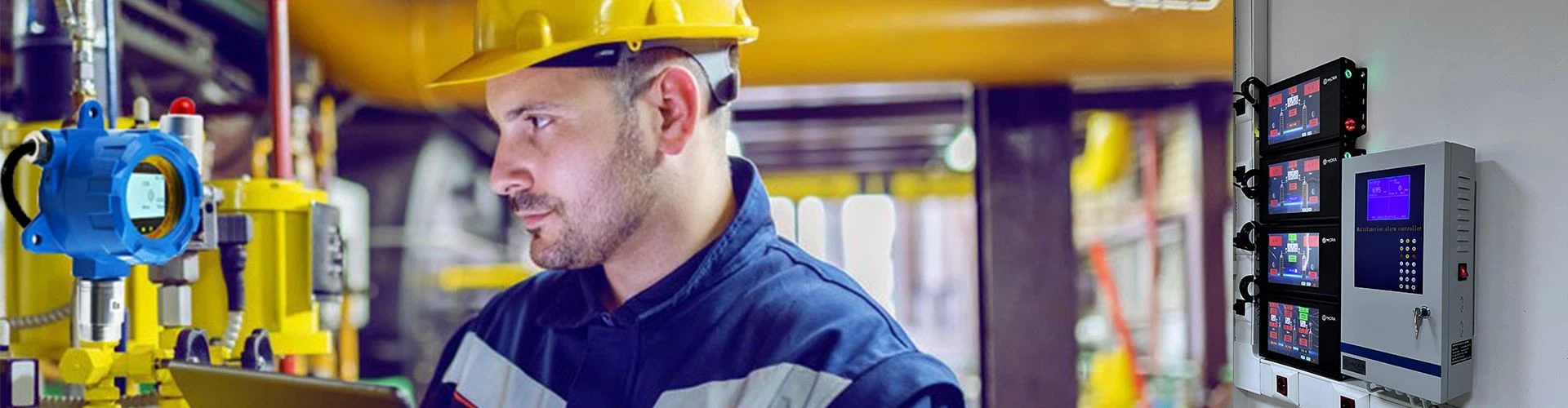
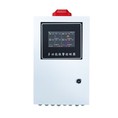
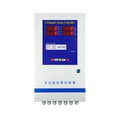
The mine gas detector produced by our company refers to the safety monitoring work of detecting the composition, concentration and changing trend of gases generated or existing in the mining process of underground mines such as coal mines, metal mines and non-metal mines through professional equipment and technical means. The gas detector can prevent safety accidents such as gas explosion, carbon monoxide poisoning and oxygen deficiency asphyxiation It plays an important role in ensuring the safety of miners' lives and the normal production of mines, and is widely applied in underground mining and excavation work faces, electromechanical chambers, return air tunnels in coal mines, underground operation faces in metal mines, tunnel construction areas and other places. It is a core monitoring link for the safe production of mines.
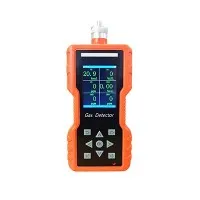
Portable instrument detection method: Use portable methane gas analyzer (catalytic combustion type or infrared type), portable carbon monoxide detectors (electrochemical sensors), and multiple gas detector to detect gas concentration on-site in real time. It is suitable for on-site monitoring by underground workers. Real time datas and alarm datas can be displayed immediately and an alarm will be triggered when the preset value is exceeded.
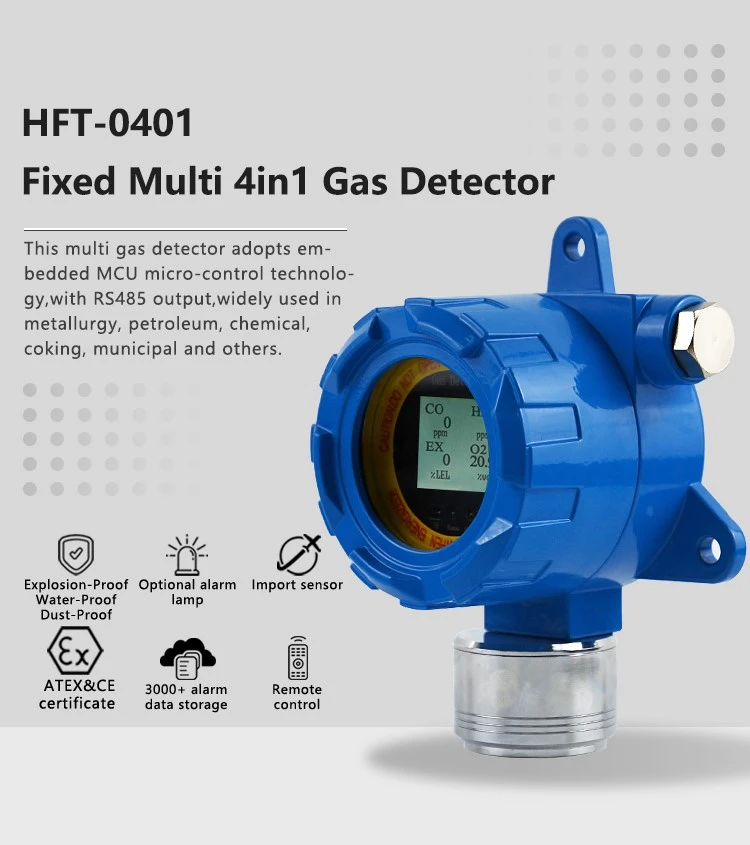
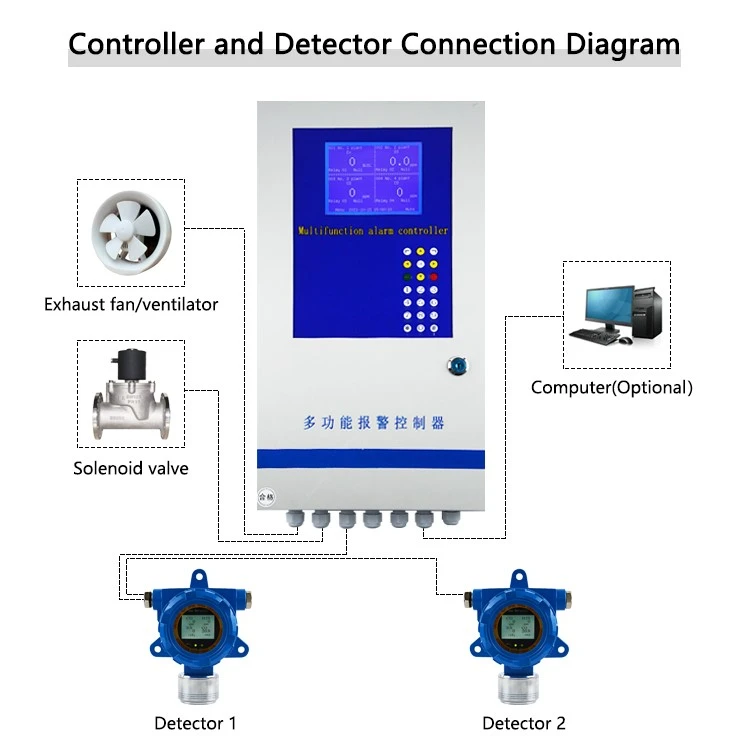
Fixed online monitoring method: Install fixed multi gas detector (such as infrared methane sensors, electrochemical toxic gas sensors) in key underground areas (such as mining and excavation faces, return air tunnels), and upload the data in real time to the ground monitoring center through wired or wireless transmission to achieve 24-hour continuous monitoring. When abnormalities occur, automatic audible and visual alarms will be triggered.
Modern mines not only require miners to wear individual detectors at all times, but also need to deploy fixed sensor networks that can be linked to the ground control center to continuously monitor key areas, and ensure that the equipment is regularly calibrated and has reliable performance. Gas detectors are the first line of defense for safeguarding the lives of miners and the safety of mines.