





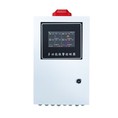

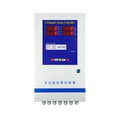
Fire alarm control panel signal inputs are crucial components in fire detection and prevention systems. These inputs are responsible for receiving signals from various devices that detect the presence of fire or smoke. They are designed to constantly monitor the environment and detect any unusual activity that could indicate the presence of fire.
The fire alarm control panel signal inputs are interconnected to a variety of detectors, including smoke detectors, heat detectors, and manual pull stations. Once a signal is received from any of these devices, the alarm panel is triggered, and the appropriate response is initiated to control the fire.
Signal inputs are specifically designed to be reliable and responsive, ensuring that fire detection systems are always operational and ready to detect and respond to any incidents. For example, smoke detectors are programmed to detect and report the presence of even the smallest amounts of smoke particles. Similarly, heat detectors can sense a sudden increase in temperature and alert the panel to a possible fire.
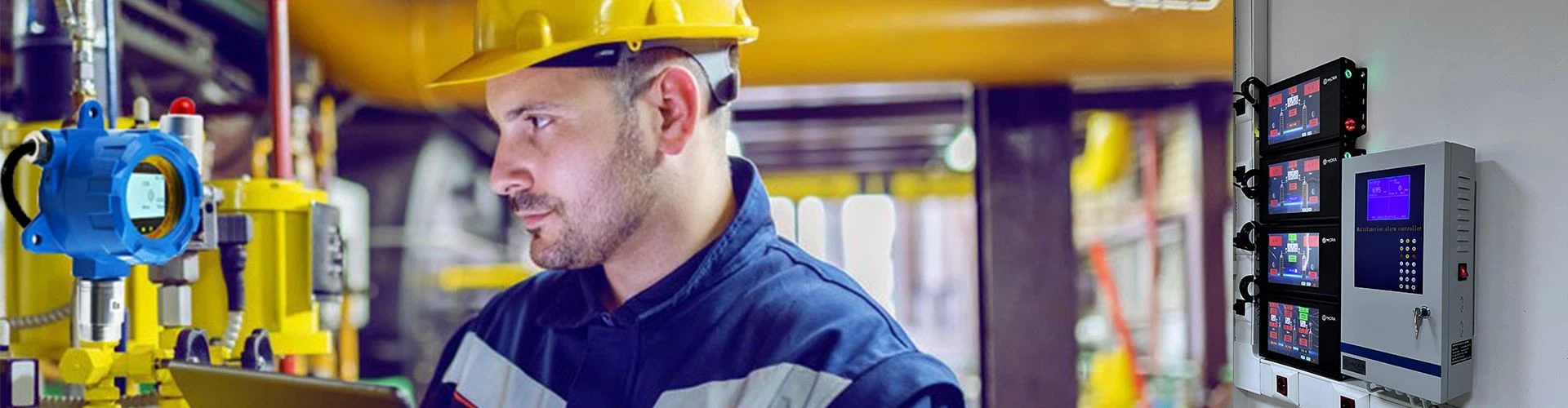
Connecting fire control panel and combustible gas leak detector are an essential part of ensuring safety in any building. When done correctly, the connection of these two devices can provide valuable information to building occupants and first responders in the event of a fire or gas leak.

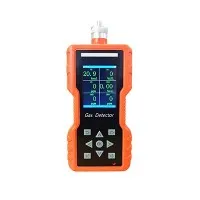
To begin, it is important to understand the purpose of these devices. A fire control panel is designed to detect fires and monitor the status of fire alarms, sprinkler systems, and other fire protection systems. A combustible gas detector, on the other hand, is designed to detect the presence of gas leaks and alert occupants to the danger.
To connect these devices, a technician must first ensure that the wiring and power supplies are properly installed and functional. The fire control panel and combustible gas detector should be connected using appropriate communication protocols, such as RS-485 or Modbus, to ensure reliable communication between the devices.
Once the devices are properly connected, it is important to perform routine testing and maintenance to ensure that they function properly in the event of an emergency. Regular testing can also help identify issues with wiring or communication between devices before they become a safety hazard.
Overall, the connection of fire control panels and combustible gas detectors is a critical component of building safety. With proper installation and maintenance, these devices can provide early warning of potential hazards and help prevent serious accidents or injuries. Remember to always consult with a qualified technician for installation and maintenance and to follow all applicable safety regulations and codes.