

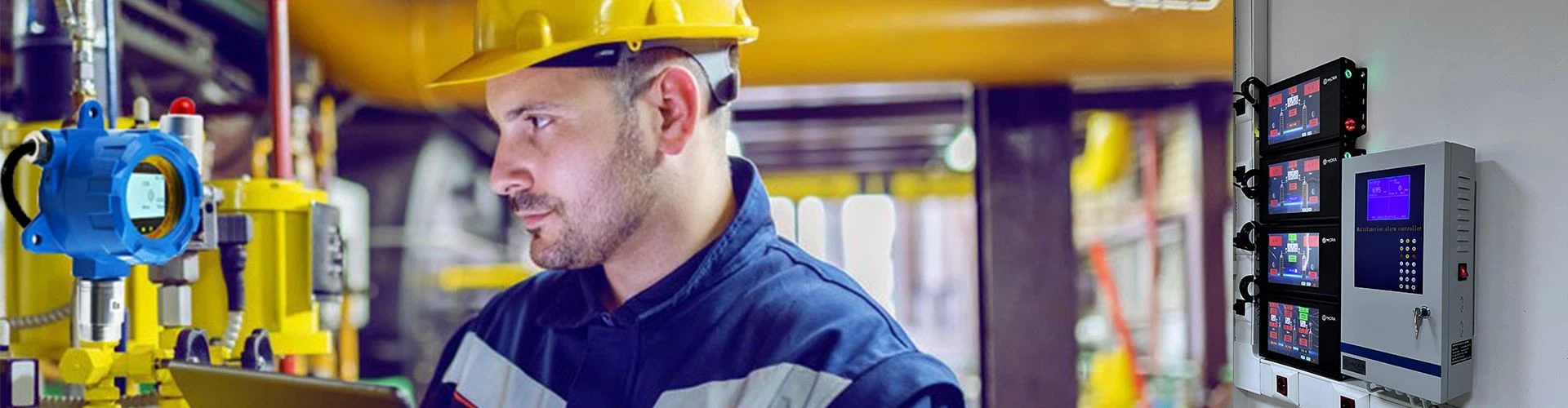




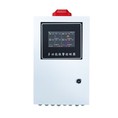

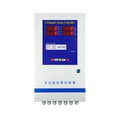
Gas detector is one of the most commonly used detection instruments in industrial production, it can detect the concentration of toxic and harmful substances for us in the work, gas detector can detect the kind of gas in the environment, using the corresponding safety protection articles according to its detection results.
When using a gas detector, you must pay attention to the environment. There are many factors that can affect the detection results of a gas detector, such as changes in humidity and temperature.
Changes in temperature can affect the amount of oxygen actually present in the atmosphere.If there is a large temperature fluctuation in the work space, the results detected by the gas detector may drift. In this case, we should conduct on-site zeroing of the gas detector, so as to minimize the impact of temperature on the detection results of the gas detector.
If the humidity in air in the work space increases, the water vapor in the air will drive away the oxygen, which may cause the oxygen reading to drop. This effect is not immediately detected, but over several hours, it will slowly affect the oxygen sensor and affect the test results.
Therefore, we should pay attention to the temperature and humidity of the air in the working air when checking the air, so as to adjust the detector.
Confirm the gas type and concentration range of gases:
The type of gas encountered by each production sector is different.All possible scenarios should be taken into account when selecting a gas detector.If methane and other less toxic alkanes are in the majority, the LEL detector is the most appropriate choice.This is not only because the LEL detector is simple in principle and widely used, but also has the characteristics of easy maintenance and calibration.If carbon monoxide, hydrogen sulfide and other toxic gases are present, it is necessary to select a specific gas detector in order to ensure the safety of workers.If more is organic toxic or harmful gases, considering its personnel may cause poisoning concentration is low, such as aromatic hydrocarbon, halogenated hydrocarbon, ammonia (amine), ether, alcohol, fat, etc., should choose the light of the previous chapter ionization detector, and never use LEL detector to deal with, because this may lead to loss of life.
Determine where to use:
A) Fixed gas detector:
This is a detector that is used more in industrial installations and production processes.It can be installed at specific detection points to detect specific gas leaks.Fixed detector is generally two-type, which is used by gas transmitter and gas control cabinet. It is installed in a safe place for easy monitoring.Its detection principle is the same as described in the preceding section, but in terms of process and technology, it is more suitable for the characteristics of continuous and long-term stability required by fixed detection.They should also be selected according to the type and concentration of the gas in the field, and care should be taken to install them in the place where a particular gas is most likely to leak, such as selecting the most effective height to install the sensor based on the specific gravity of the gas, etc.

B) Portable gas detector
Portable instruments are becoming more and more widely used in various factories and health sectors because of their convenient operation, small size and ability to be carried to different production sites.
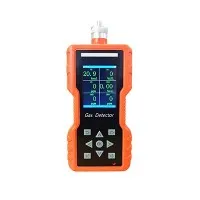
If such an instrument is used as a safety alarm in an open place, such as an open workshop, the portable diffused gas detector can be used, because it can continuously, real-time and accurately display the concentration of toxic and harmful gases on site.Some of these new instruments are equipped with vibration alarms

If entering a confined space, such as reaction tanks, storage tanks or containers, sewers or other underground pipes, underground facilities, agricultural closed grain silos, railway tankers, ship cargo holds, tunnels, etc., testing must be conducted before personnel enter and outside the confined space.At this point, you must choose with a built-in sampling pump multi - gas detector.Because the distribution and type of gas in different places (upper, middle and lower) in a confined space are very different.For example: the general sense of the proportion of flammable gas is light, they are mostly distributed in the upper part of the confined space, carbon monoxide and air proportion is similar, generally distributed in the middle of the confined space, and like hydrogen sulfide and other heavy gas is in the lower part of the confined space.At the same time, oxygen concentration is also one of the types that must be tested.The small size of this instrument does not affect the work of the portable instrument.Only in this way can we ensure the absolute safety of the staff entering the confined space.