






Liquefied petroleum gas (LPG) is a colorless volatile liquid obtained from petroleum processing, which is mainly divided into propane, propylene, butane, butene, and contains a small amount of impurities such as pentane, pentene and trace hydrogen sulfide. Mainly used as civil fuel, engine fuel, hydrogen production raw materials, heating furnace fuel and lighter gas fuel, etc., can also be used as raw materials for petrochemical industry. Extremely flammable, mixed with air can form an explosive mixture, in case of heat source or open flame burning explosion risk. Heavier than air, it can spread to a considerable distance at a low point, and the ignition source will ignite back. It mainly affects the central nervous system. The main manifestations of acute mild LPG poisoning were dizziness, headache, cough, loss of appetite, weakness, insomnia, etc. In severe cases, loss of consciousness, urinary incontinence, shallow and slow breathing.
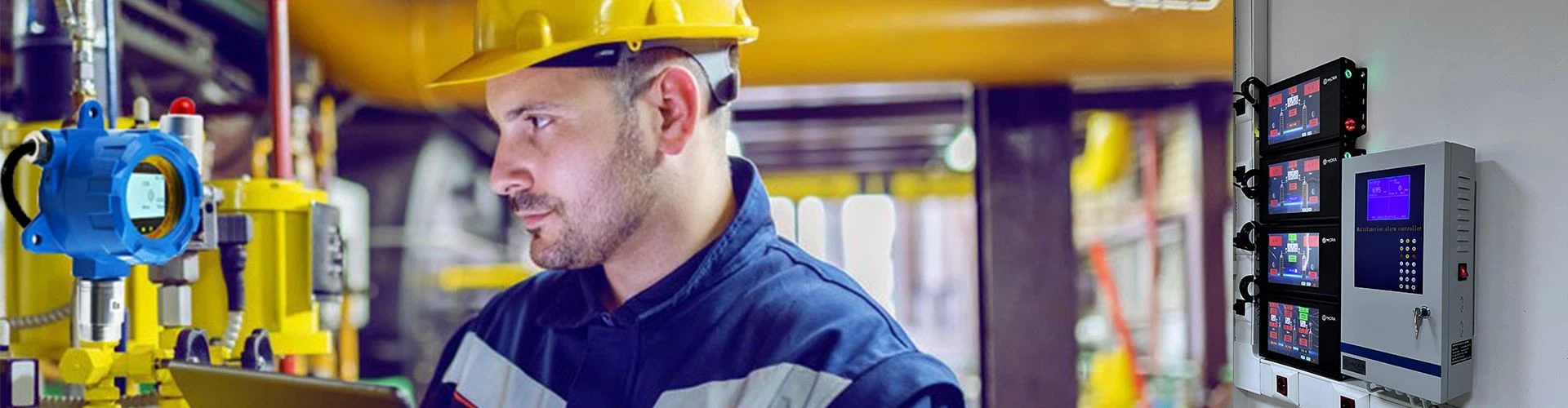
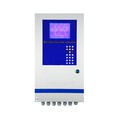
Operators must be specially trained, strictly abide by operation rules, proficient in operation skills, and have emergency handling knowledge. Keep away from fire and heat. No smoking in the workplace. Workshops and places where LPG is produced, stored or used shall be equipped with leak detection and alarm instruments, explosion-proof ventilation systems and equipment, and two or more sets of heavy protective clothing. Wear antistatic clothes. When the concentration in the workplace exceeds the standard, it is recommended that operators wear a filter gas mask.
Frostbite should be prevented when possible contact with liquids. Storage tanks and other pressure vessels and equipment should be equipped with safety valves, pressure gauges, level gauges, thermometers, and should be equipped with pressure, liquid level, temperature remote recording and alarm function of the safety device, rectifier device and press, power supply, pipeline pressure, ventilation facilities or the corresponding absorption device interlocking device. Storage tanks and other emergency cut-off devices.

There are several methods of detecting LPG leaks, including visual inspection, gas detectors, and odorants. Visual inspection involves checking for physical signs of a gas leak, such as hissing sounds, bubbles, or damaged pipes. However, this method may not always be reliable as gas leaks can occur in concealed areas or underground pipes.
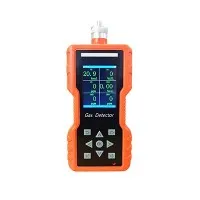
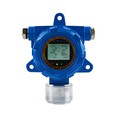
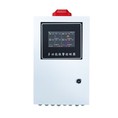
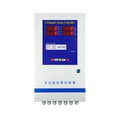
Gas detectors are electronic devices that use sensors to detect the presence of LPG in the air. These devices can be either fixed or portable and are commonly used in commercial and industrial settings. Gas detectors are highly sensitive and can detect even small amounts of LPG, making them an effective tool to detect gas leaks in real-time.
Another important method of detecting LPG gas leaks is through odorants. LPG is odorless and colorless on its own, but a strong odorant is added to it to make it easily detectable. The most commonly used odorant for LPG is ethyl mercaptan, which gives LPG a distinct rotten egg smell. This odorant allows individuals to detect gas leaks with their sense of smell, allowing them to take immediate action to prevent a hazardous situation.