






1. Ammonia introduction
Ammonia is one of the hazardous chemicals with a high incidence of hazardous chemical accidents in my country. Ammonia is also called liquid ammonia. It is a toxic flammable gas. Ammonia has a wide range of uses. It can be used to make ammonium salts, ammonium nitrate and urea. It can also be used It is used as a refrigerant in cold storage, etc. It is colorless, has a pungent odor, and is highly alkaline in liquid form. Ammonia gas is highly corrosive and corrosive and irritating to the skin tissue in contact. After ammonia gas poisoning, the throat and mouth feel significantly irritated.
2.Dangers of ammonia leaks
(1) Easy to vaporize and diffuse
When ammonia leaks, it changes from liquid phase to gas phase. The liquid ammonia will quickly vaporize and expand rapidly in volume. In the early stage of the leak, due to the Partial evaporation makes the cloud density of ammonia vapor higher than that of air. The ammonia gas drifts with the wind and easily forms large-scale poisoning areas and combustion and explosion areas. On July 8, 2002, when a 20-cubic-meter liquid ammonia storage tank in a fertilizer factory in Shandong was filling a liquid ammonia tanker with liquid ammonia, the metal hose on the vehicle burst and the liquid ammonia spread rapidly. Within minutes, ammonia gas enveloped the entire factory area, endangering the lives of 2,000 people. The accident caused 105 people to be poisoned, 13 people died, 24 people were seriously injured, and 12 people were moderately injured.
(2) Easy to cause casualties due to poisoning
Ammonia is a poisonous, irritating and foul-smelling gas that is easy to volatilize. Ammonia leaks into the atmosphere and spreads to a certain range, easily causing acute poisoning and burns. When the air The ammonia content reaches 0.5-0.6%, which can cause poisoning within 30 minutes; the main ways for ammonia to invade the human body are through the skin, trachea, respiratory tract and digestive tract.

(3) Easily flammable and explosive
Ammonia is both a toxic gas and a flammable gas. The auto-ignition point of ammonia is 651°C, the combustion value is 2.37-2.51J/m3, the critical temperature is 132.5°C, the critical pressure is 11.4Mpa, and the content of ammonia in the air reaches 11 When the ammonia content in the air reaches 15.7%-27.4%, it will cause an explosion when exposed to a fire source. The most flammable concentration is 17%, and the maximum explosion pressure is 0.58Mpa; the liquid ammonia container will expand when heated, and the pressure will rise, which can cause the cylinder or storage tank to explode.
(4) Easy to pollute the environment
Ammonia can pollute the air. Under the influence of wind, this toxic gas drifts with the wind, causing large-scale air pollution and causing harm to humans and animals. If a large amount of liquid ammonia leaks into rivers, lakes, reservoirs and other waters, it will cause water pollution. In severe cases, the water in the waters cannot be used without treatment. On June 28, 2005, a liquid ammonia leak occurred in the cracking tank area of a chemical plant in Nanjing, poisoning vegetables, crops, and trees within a two-kilometer radius, and many frogs in the water also died.
3.The common methods for detecting ammonia gas leaks:
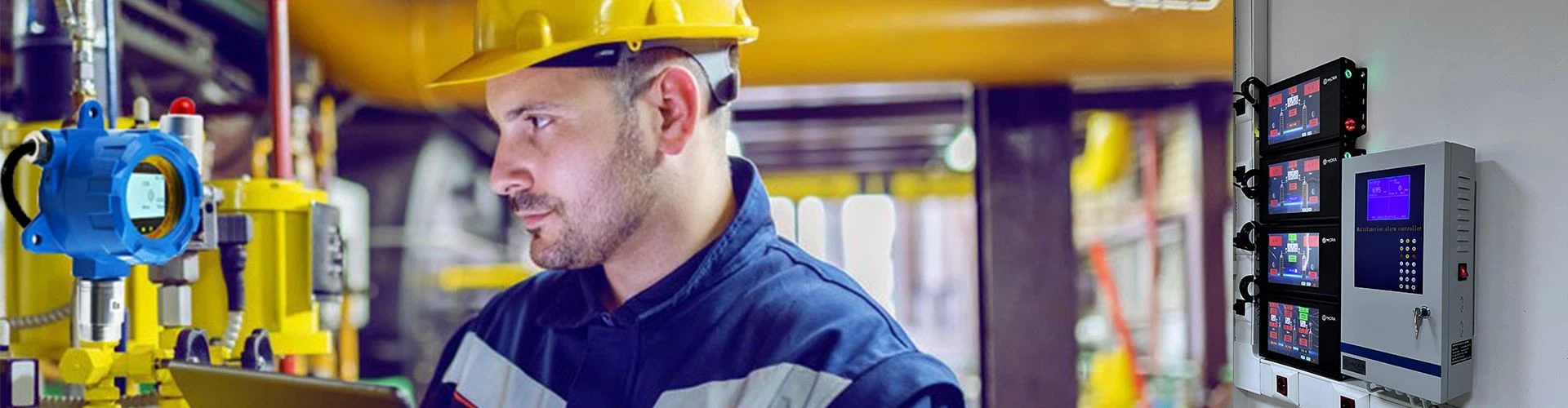
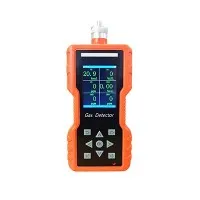
(1).Portable detector: used for inspection, identifying leakage points, detection before entering confined Spaces, and emergency response. Compact and flexible, it can display the concentration in real time and give an alarm.
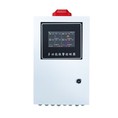
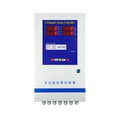
(2).Fixed detector: ammonia leak detection sensorwill be Installed in key areas where leakage may occur (such as storage tanks, pipeline valves, compressors, filling areas, above usage points, etc.), for continuous monitoring. The alarm system usually connected to the central control room will immediately issue an audible and visual alarm once it detects a leak (reaching the preset alarm threshold), and can also be linked to safety facilities such as exhaust ventilation and valve shut-off.