

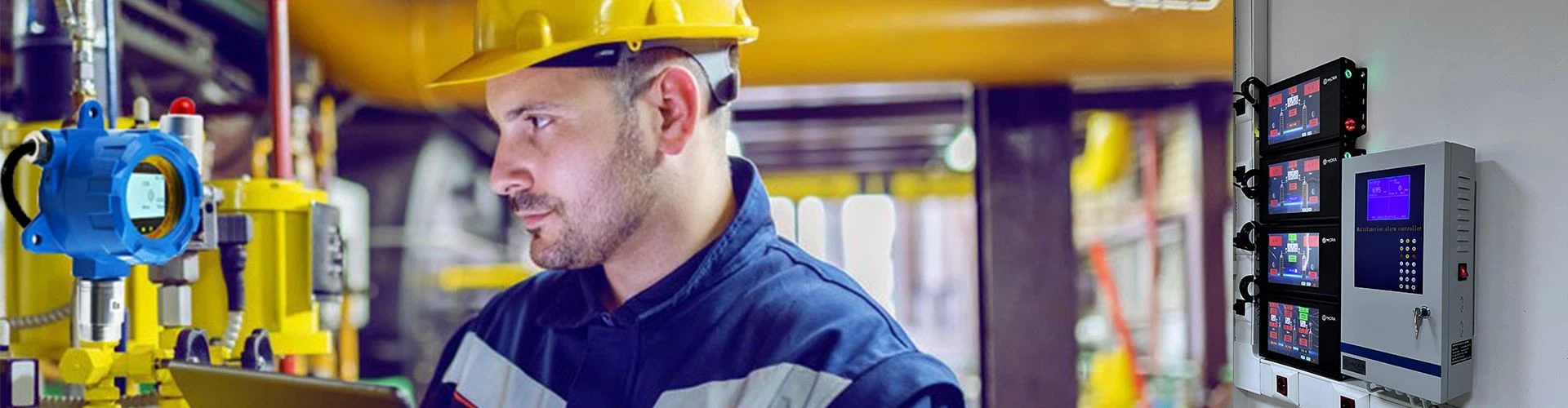


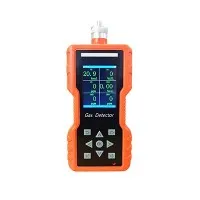


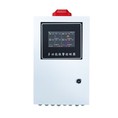

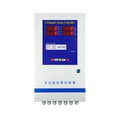
CNG (Compressed Natural Gas, abbreviated as CNG) is natural gas pressurized and stored in a container as a gaseous state. In addition to using natural gas from oil fields and natural gas fields, compressed natural gas can also be artificially produced biogas (the main component is methane). Compressed natural gas has the same composition as pipeline natural gas, with the main component being methane (CH4). CNG can be used as vehicle fuel. CNG can be used to produce Liquefied Natural Gas (LNG).
CNG gas detector is an important device used to detect the presence of natural gas in the environment. It is widely used in various industries such as oil and gas, mining, chemistry, and environmental protection. The structure, features, and applications of CNG gas detectors are briefly discussed in the following passage.
The structure of CNG gas detector includes a sensing element, signal processing circuit, power supply, and display. The sensing element is the most critical component as it detects the presence of natural gas in the environment by measuring its concentration. The signal processing circuit then processes the data received from the sensing element and provides an output signal. The power supply provides the necessary voltage to the sensing element and signal processing circuit, and the display shows the level of natural gas concentration.

The functions of CNG gas detector include detecting the presence of natural gas in the environment, monitoring the concentration of natural gas, and issuing a warning if the concentration exceeds the permitted limit. This helps to prevent accidents and ensure the safety of workers and the environment. CNG gas detectors are also essential for detecting and preventing gas leakage, which can cause explosions and fires.
The application areas of CNG gas detector include oil and gas exploration, petrochemical plants, gas pipelines, automotive industry, and general industrial applications. CNG gas detectors are commonly used in natural gas power plants, where they help to monitor the concentration of natural gas in the air and provide an early warning before any serious incident occurs.
In conclusion, CNG gas detectors are essential for identifying the presence of natural gas in the environment, monitoring gas concentration levels, and controlling the risk of gas leakage. They are widely used in the petroleum, mining, chemical, and other industrial applications. The construction and the features of CNG gas detectors make them an essential tool in ensuring worker safety, environmental protection, and preventing accidents in various industries.